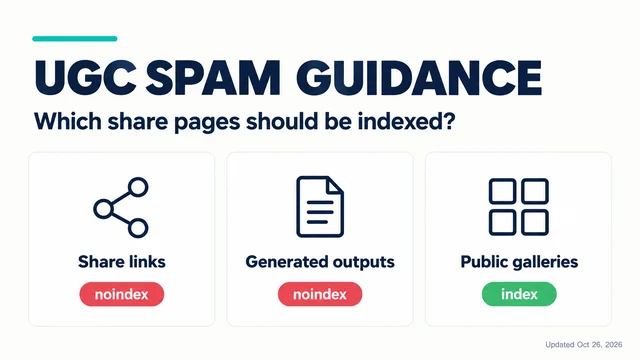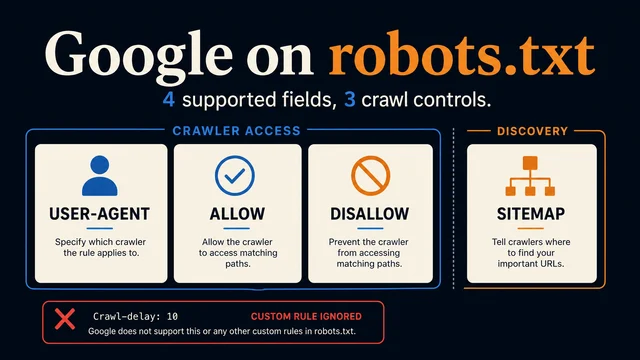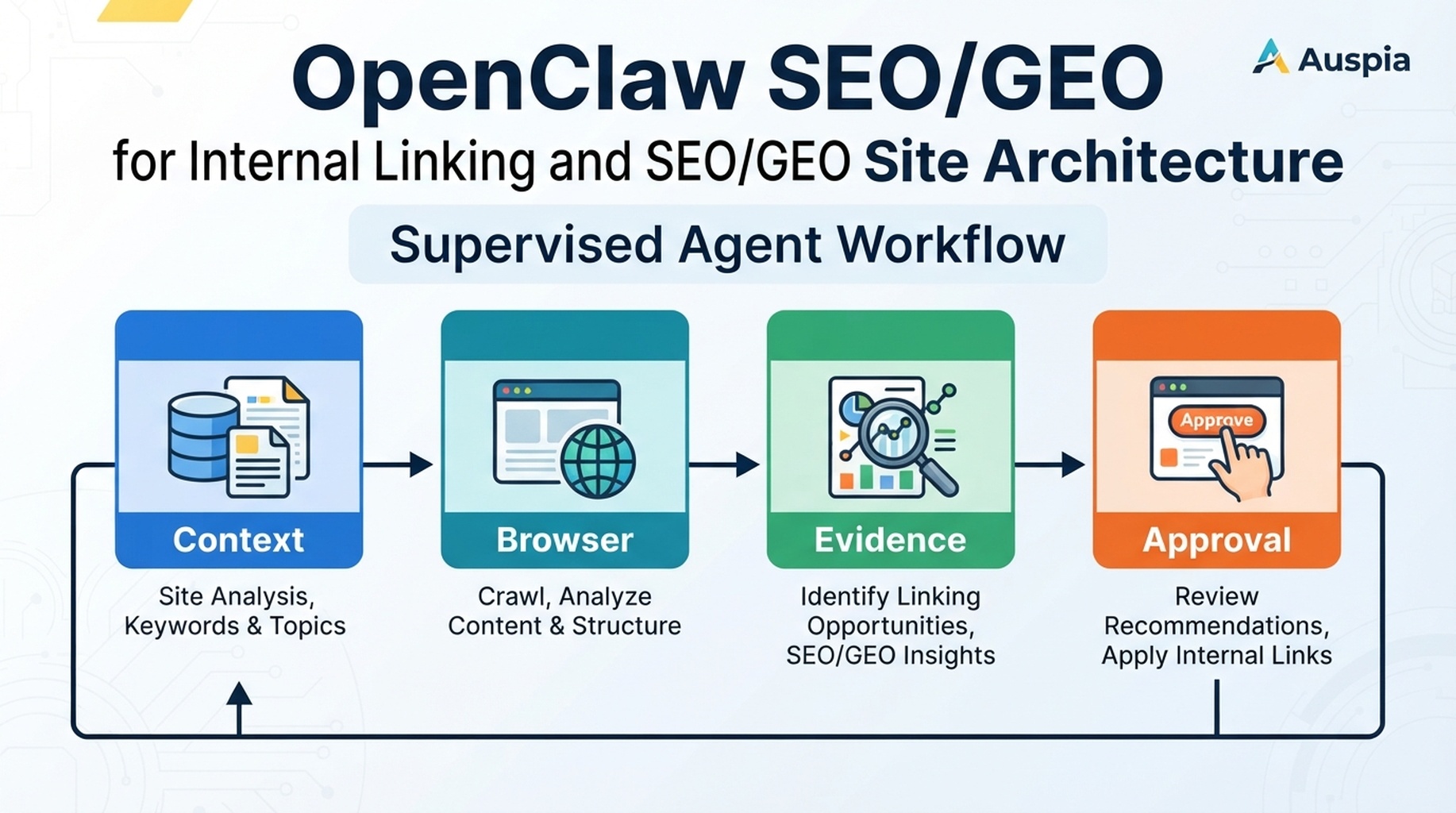

OpenClaw internal linking architecture: page roles, hubs, support pages, anchors, and QA checks.
Internal linking is a page-role problem
Do not ask OpenClaw for “more internal links.” Ask it to classify page roles first. A hub page, product page, glossary page, comparison page, and support article should not receive the same links.
Create a page-role inventory
Role | Job | Link behavior |
|---|---|---|
Hub | Own the topic | Links to clusters and priority pages |
Support guide | Answer a specific question | Links back to hub and next-step pages |
Product page | Convert qualified users | Receives links from relevant guides |
Glossary | Define entity | Links to applied tutorials |
Comparison | Capture evaluation intent | Links to proof, pricing, and alternatives |
Prompt:
Classify these URLs by page role. Then identify missing hub links, orphan support pages, overlinked pages, and pages that need GEO-friendly contextual links. Do not add links automatically. Produce an internal-link brief.
Find link opportunities by reader need
OpenClaw should justify each link with a reason: definition, next step, proof, comparison, or conversion. If the reason is “SEO value,” reject it.
Source section | Link target | Reason | Anchor style |
|---|---|---|---|
Setup guide mentions data exports | Data monitoring guide | next step | descriptive phrase |
Prompt map mentions AI citations | GEO quality gate | risk control | exact concept |
Technical audit mentions robots | Robots checker/tool or audit guide | proof/check | practical action |
GEO-specific link pattern
AI answers need clear entity paths. Link from definitions to applied guides, from applied guides to measurement pages, and from measurement pages to quality gates.
QA prompt
Review this internal-link plan. Flag links that are irrelevant, repetitive, over-optimized, or placed where the reader would not need them. Keep only links with a clear reader reason.
Experience notes
- Add fewer links than OpenClaw suggests on the first pass.
- Prefer section-level relevance over site-wide templates.
- Anchors should sound like a helpful sentence, not a keyword list.
- Always check whether two pages are competing before linking them aggressively.
FAQ
Should this workflow install new skills every time?
No. Skills are supporting infrastructure. The article workflow should focus on the specific SEO/GEO decision and use only the capabilities needed for that decision.
What should OpenClaw produce at the end?
A reviewable artifact: a brief, ticket queue, decision memo, report, or QA result. It should not silently change the live site.
OpenClaw SEO/GEO learning path
This article is part of the OpenClaw SEO/GEO operator series. Follow the sequence if you are building the workflow from scratch:
- Use OpenClaw as an SEO/GEO operator
- Set up your first OpenClaw SEO agent
- Connect OpenClaw to GSC, Bing Webmaster, GA4, and SEO data
- Use OpenClaw browser automation for SEO and GEO research
- Build keyword clusters and a 90-day content calendar
- Use Google Trends for daily content ideas
- Create a GEO prompt map
- Refresh old content for SEO and GEO
- Improve internal linking and site architecture
- Run a technical SEO/GEO audit
- Build an OpenClaw SEO/GEO agent swarm
- Run daily SEO/GEO monitoring
- Add SEO/GEO quality gates
Where to go next
- Series hub: How to Use OpenClaw as an SEO/GEO Operator
- Safety layer: OpenClaw SEO/GEO Quality Gates
Sources and notes
Use the official OpenClaw docs as the source of truth for current command syntax and capabilities:
- OpenClaw official site: https://openclaw.ai/
- OpenClaw GitHub README: https://github.com/openclaw/openclaw
- OpenClaw agents CLI docs: https://docs.openclaw.ai/cli/agents
- OpenClaw browser docs: https://docs.openclaw.ai/tools/browser
- OpenClaw cron CLI docs: https://docs.openclaw.ai/cli/cron
- OpenClaw scheduled tasks docs: https://docs.openclaw.ai/automation/cron-jobs
- OpenClaw Skills docs: https://docs.openclaw.ai/tools/skills
- OpenClaw ClawHub docs: https://docs.openclaw.ai/clawhub
Author: Mara Venn, 14-Year Technical SEO Practitioner at Auspia. She writes practical agent workflows for SEO teams that need evidence, review, and safe execution.