Quick answer
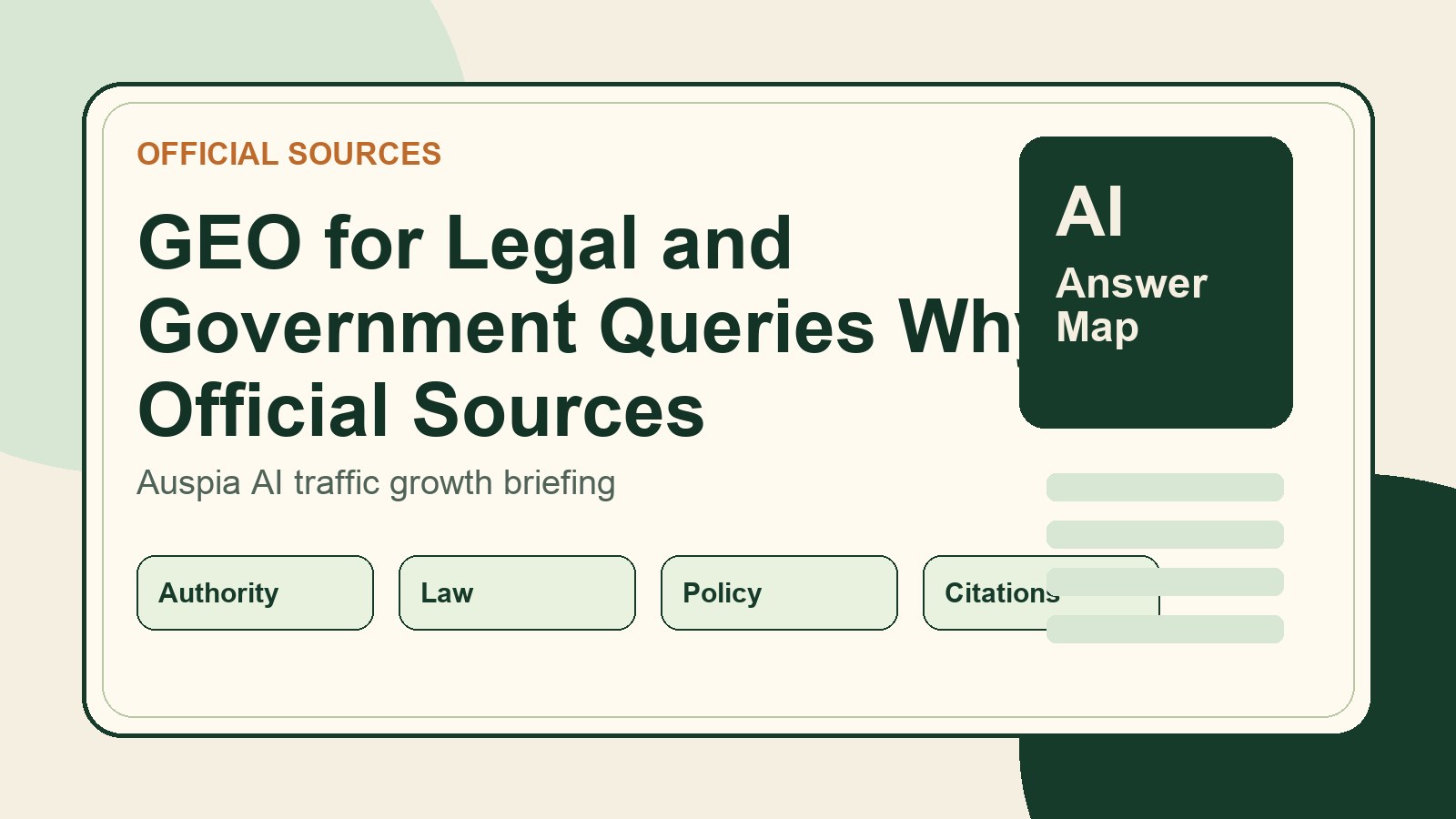
When queries involve agencies, court decisions, benefits, voting, or enforcement, AI systems have a strong reason to prefer official sources and careful explainers.
For growth teams, the practical question is not whether the keyword is trending. The question is whether the query can teach you how people ask, how AI systems summarize, and what kind of source earns trust. Auspia treats these topics as search-behavior signals, then turns the useful ones into durable SEO, GEO, or AEO assets.
Signal | What to check | Why it matters |
|---|---|---|
Intent | What does the user need now? | Prevents traffic chasing |
Source standard | Who would AI trust? | Shapes citation strategy |
Freshness | How fast does the answer change? | Defines update cadence |
Business fit | Can this support a buyer journey? | Keeps content useful |
Why authority matters more here
Government and legal queries can affect rights, benefits, deadlines, and public understanding. AI answers need sources that are official, current, and specific. Commentary can rank, but it should not obscure the primary document.
Content roles
Official pages should state the rule, date, jurisdiction, eligibility, process, and contact path. Explainer pages should cite official pages and separate summary from interpretation. News pages should distinguish allegation, ruling, appeal, and final outcome.
GEO lessons for brands
Even outside law, brands can borrow this structure. Make primary facts easy to verify. Link to supporting documents. Keep update history visible. Avoid making claims broader than the evidence.
Common failure points
PDF-only notices, unclear dates, missing jurisdiction, and ambiguous page titles all weaken answer quality. If a page can be interpreted three ways, AI may choose a simpler competitor source.
Practical checklist
Use descriptive titles, short summaries, official links, dates, contact paths, definitions, and FAQ sections. For fast-changing policy topics, maintain a change log.
What Auspia would do next
Auspia would not start by publishing ten disconnected posts. We would build a prompt set, map it to pages, check current AI answers, then decide which page type has the best chance to improve visibility. For many teams, the first useful action is a small visibility audit with the AI Search Visibility Checker, followed by a page rewrite and a repeat check two to four weeks later.
FAQ
Is this topic mainly SEO or GEO?
It is both. SEO helps the page become crawlable, indexable, and competitive in search. GEO adds the answer-readiness layer: clear entities, extractable claims, trustworthy evidence, and measurement across AI answer surfaces.
How should a small team start?
Start with one high-intent query group, rewrite the page that should answer it, add a concise table or checklist, and test the page against five AI prompts before expanding the project.
What should we measure?
Track rankings, impressions, AI mentions, citation URLs, description accuracy, branded search lift, assisted conversions, and sales notes. One metric will not explain the full impact.
Author: Iris Campbell, Editorial Evidence Analyst, 2,500+ Sources Reviewed at Auspia. Iris writes about source quality, research synthesis, and evidence standards for AI-visible content.