Pick the One Page Most Likely to Earn Your First New Organic Visits
Choose one first traffic page with Codex using customer value, proof, existing coverage, and conversion fit instead of chasing the biggest keyword.


Tag
Start here
Choose one first traffic page with Codex using customer value, proof, existing coverage, and conversion fit instead of chasing the biggest keyword.
Tag

Create a Fact Pack that gives Codex approved claims, proof links, examples, limits, and open questions before it researches, drafts, or improves SEO and GEO pages.
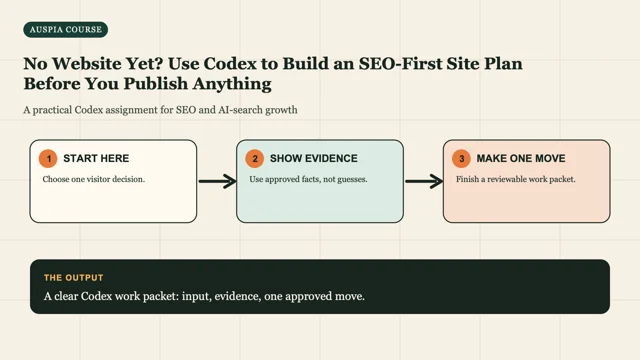
Turn a product or service idea into a small SEO-first website plan with Codex, including essential pages and one first traffic page worth building.

A beginner-friendly, 45-minute method for estimating competitor traffic, finding content opportunities, and choosing the right SEO tool without mistaking estimates for analytics.
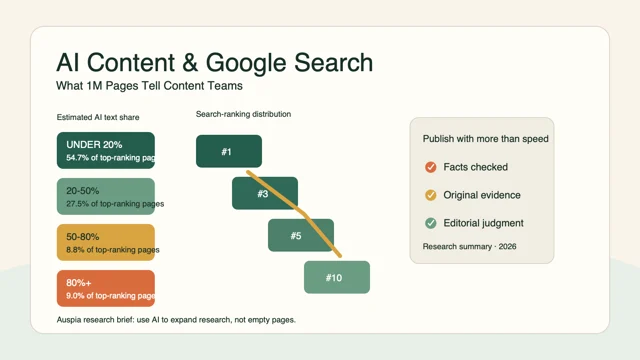
A study of one million pages finds that AI involvement does not prevent indexing or high rankings. The practical question for content teams is how they use AI time to improve evidence, judgment, and page quality.

Learn what long-tail keywords are, how to research them with real SEO data, and when a specific query deserves an article, a template, or an interactive tool page.
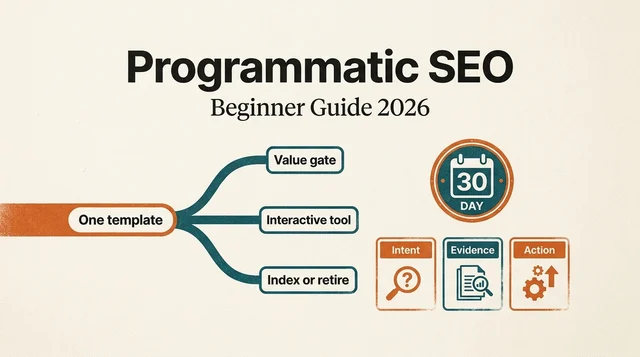
Programmatic SEO can turn one useful page system into many search-ready pages, but only when every variant has a distinct job. Learn how to choose a page pattern, build an interactive tool page, control indexation, and decide what to retire in the first 30 days.
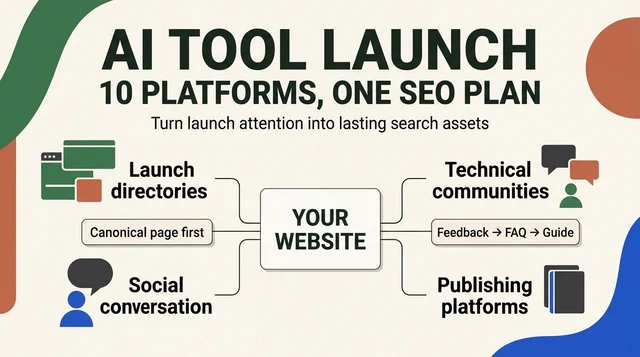
A practical launch workflow for AI tools across Product Hunt, communities, publishing platforms, and newsletters. Learn which pages deserve lasting SEO work, which posts are for conversation, and how to turn launch activity into useful search assets.

Learn the Wikipedia dead link method step by step: find a broken citation, create a useful replacement resource, submit the edit, and track the result.

A local page should help a customer make a better service decision in a real place. This guide shows US and Canadian businesses how to choose page scope, prove local fit, map questions to pages, and avoid thin city-page or doorway-page patterns.
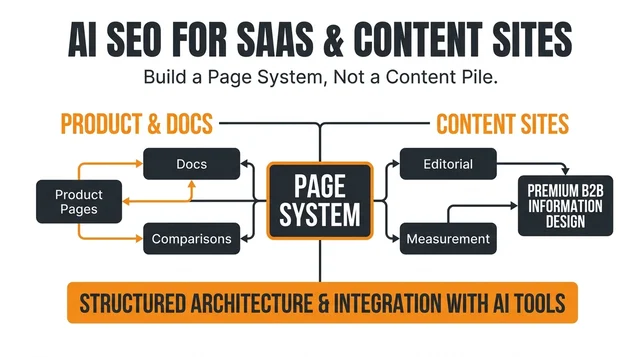
SaaS companies and content-driven websites need AI SEO tools that support product-led intent, editorial consistency, technical hygiene, and measurable conversions.

AI-generated SEO recommendations are useful for finding patterns and speeding up routine analysis, but they need manual validation.

The best AI SEO platform depends on whether your bottleneck is research, editorial production, on-page improvement, or visibility measurement.