Google Search Console Generative AI Report Rolls Out Broadly, Still Missing Click Data
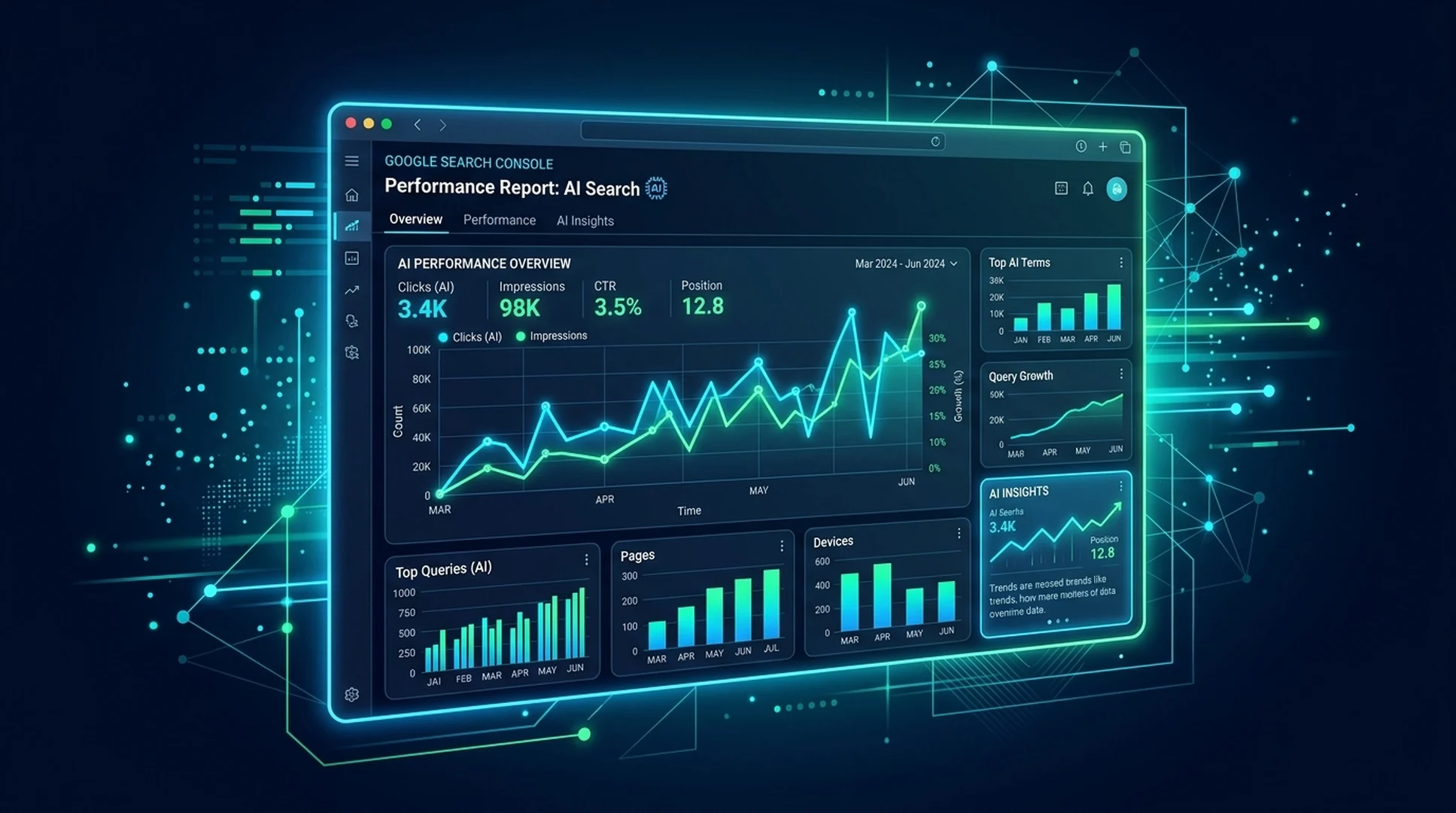
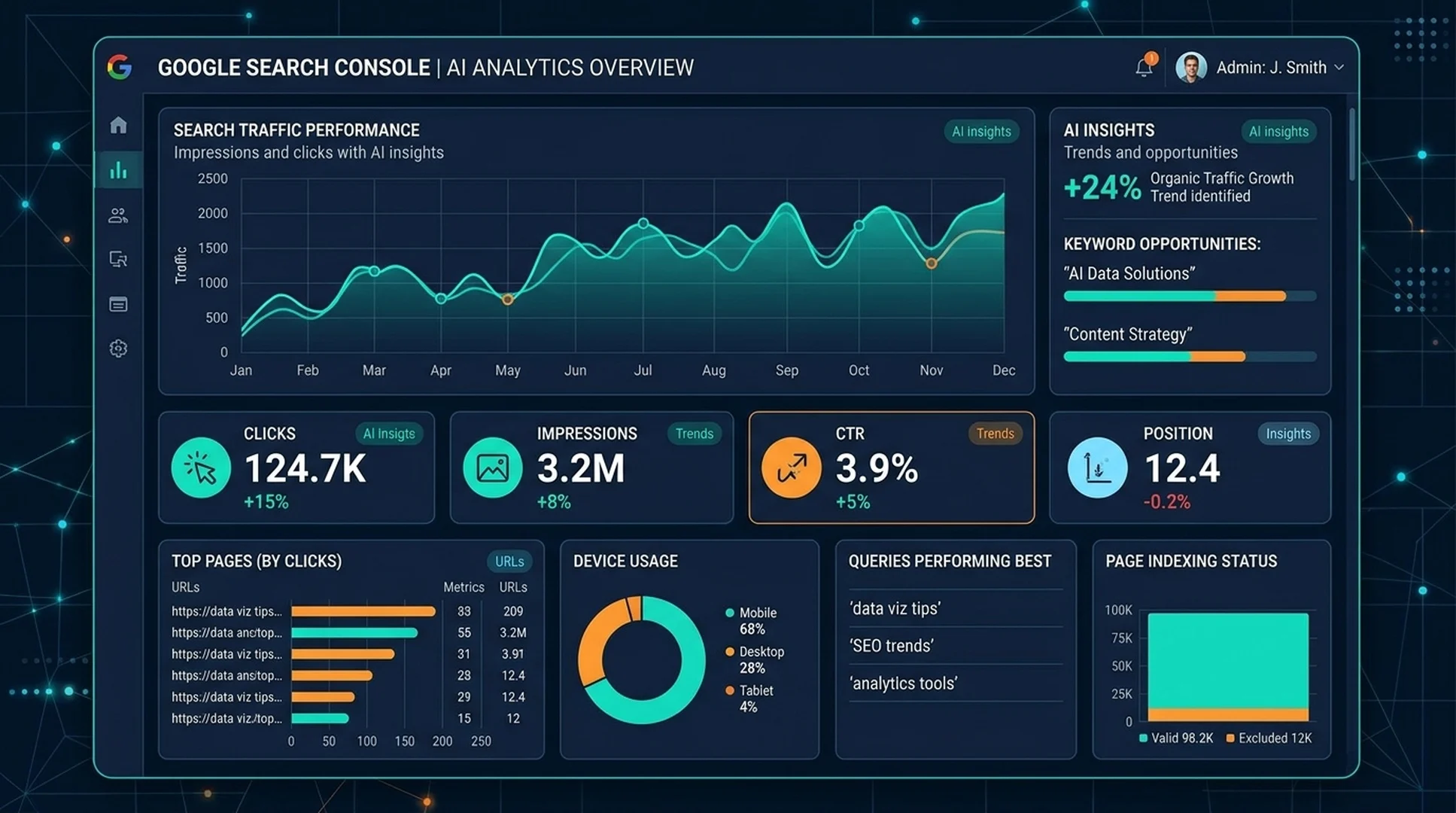
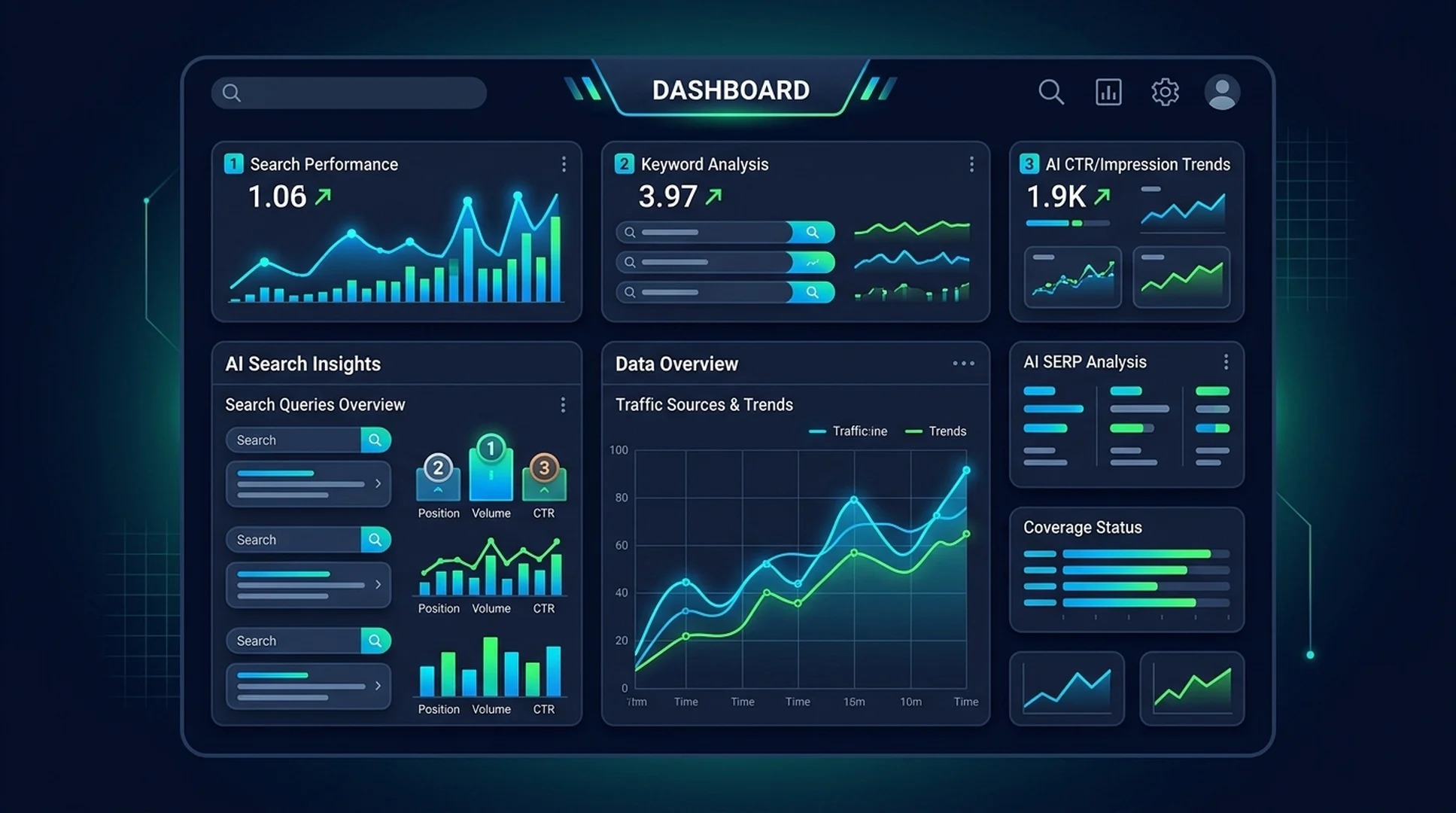
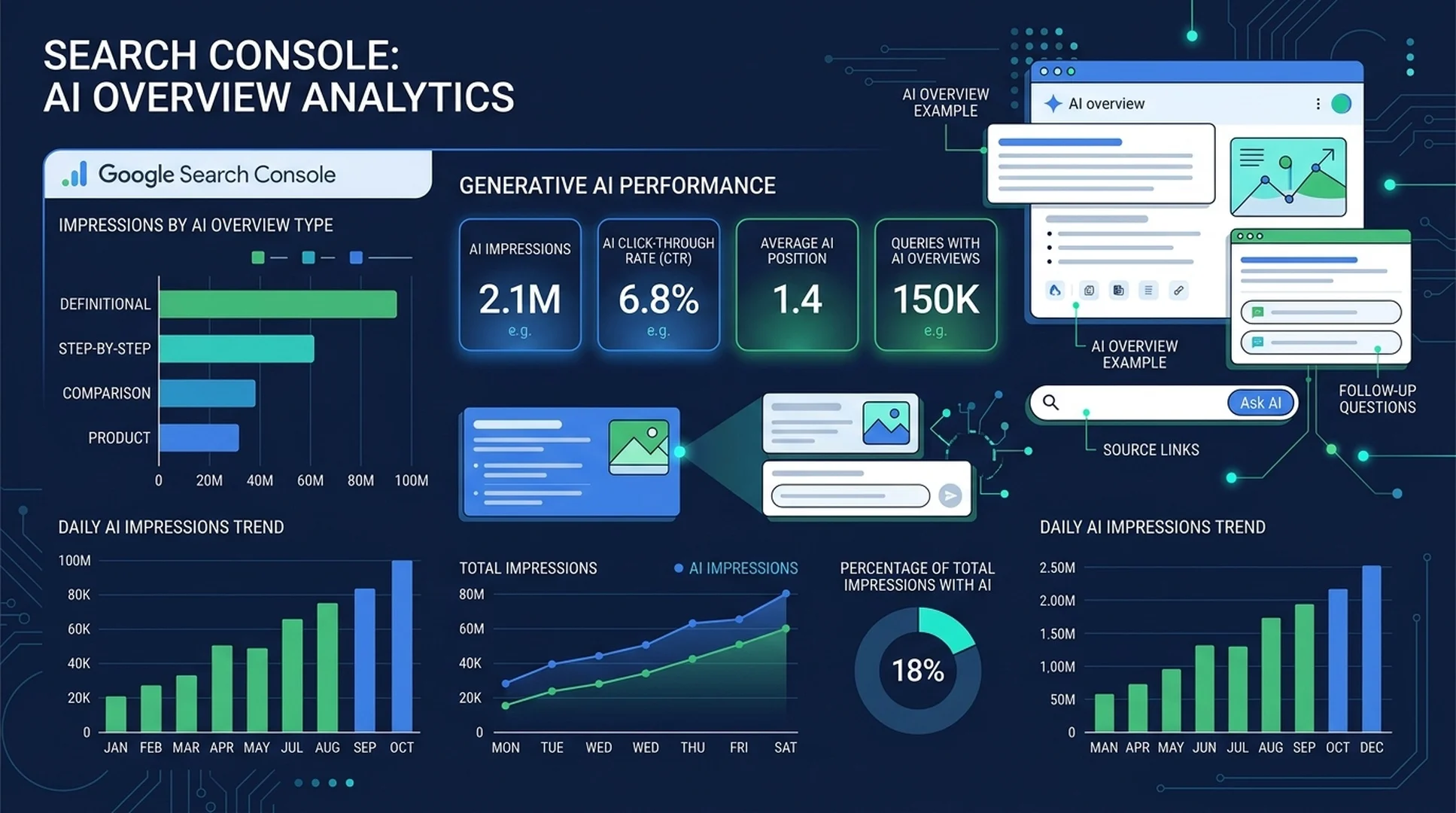
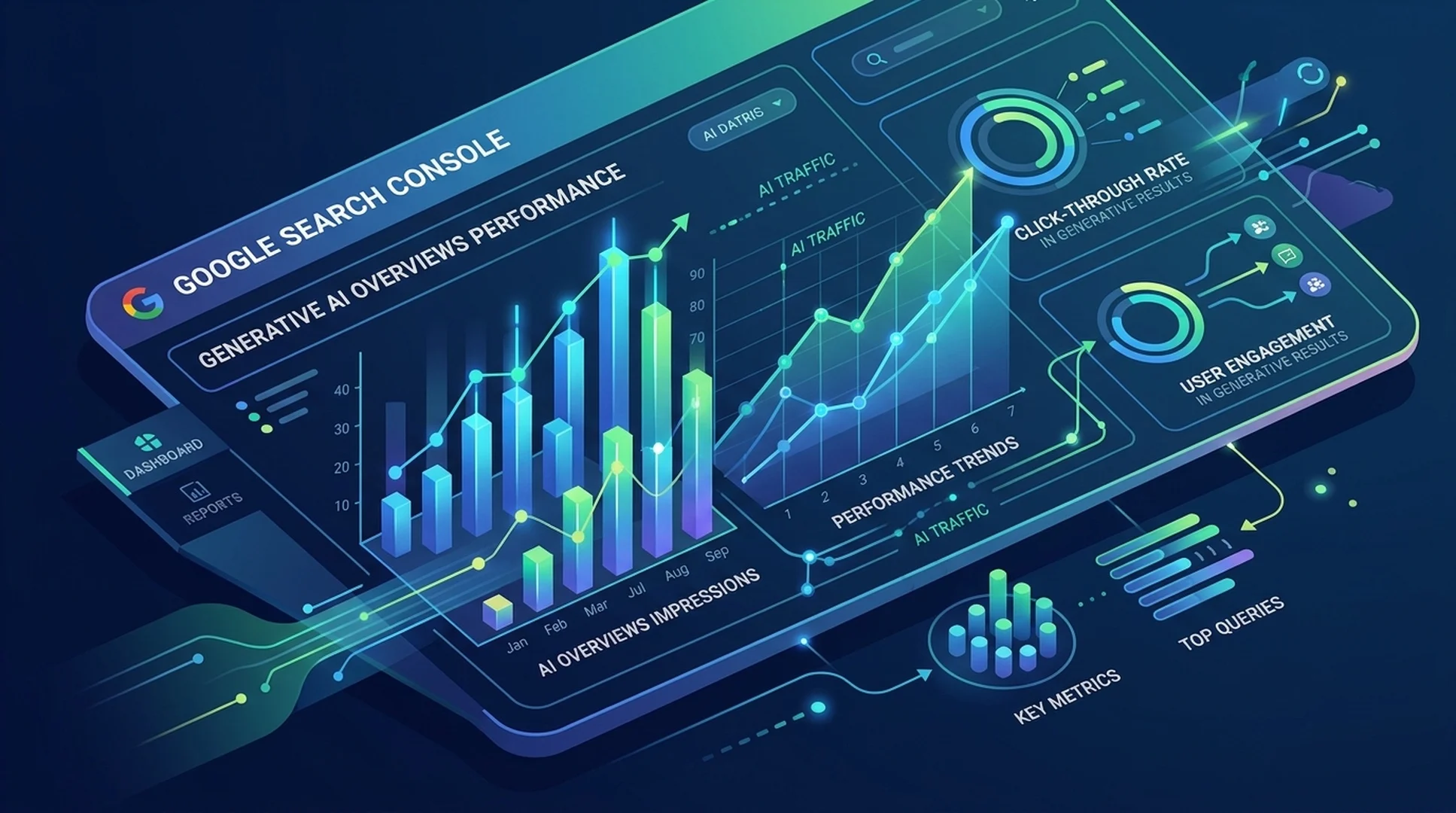
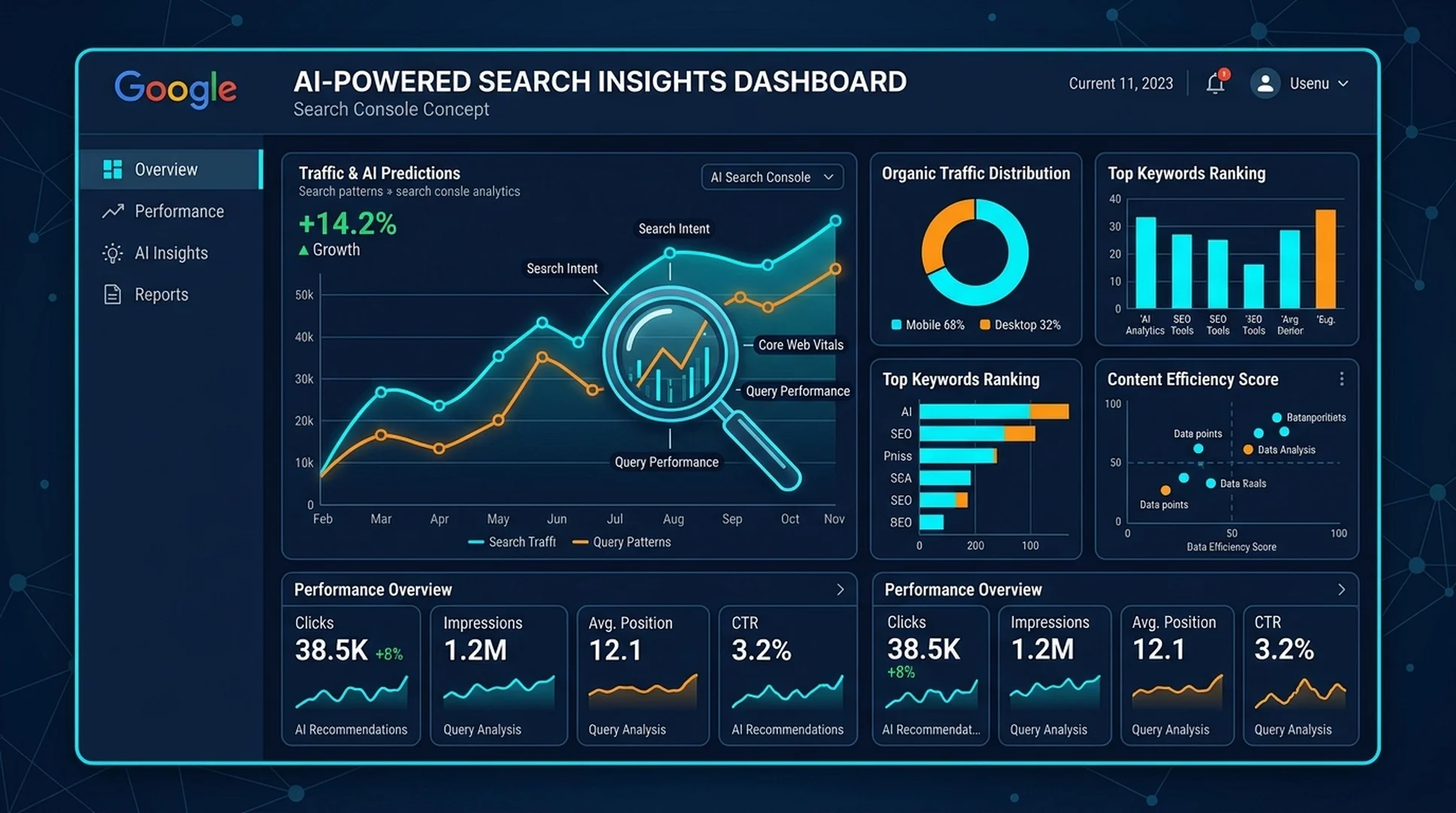
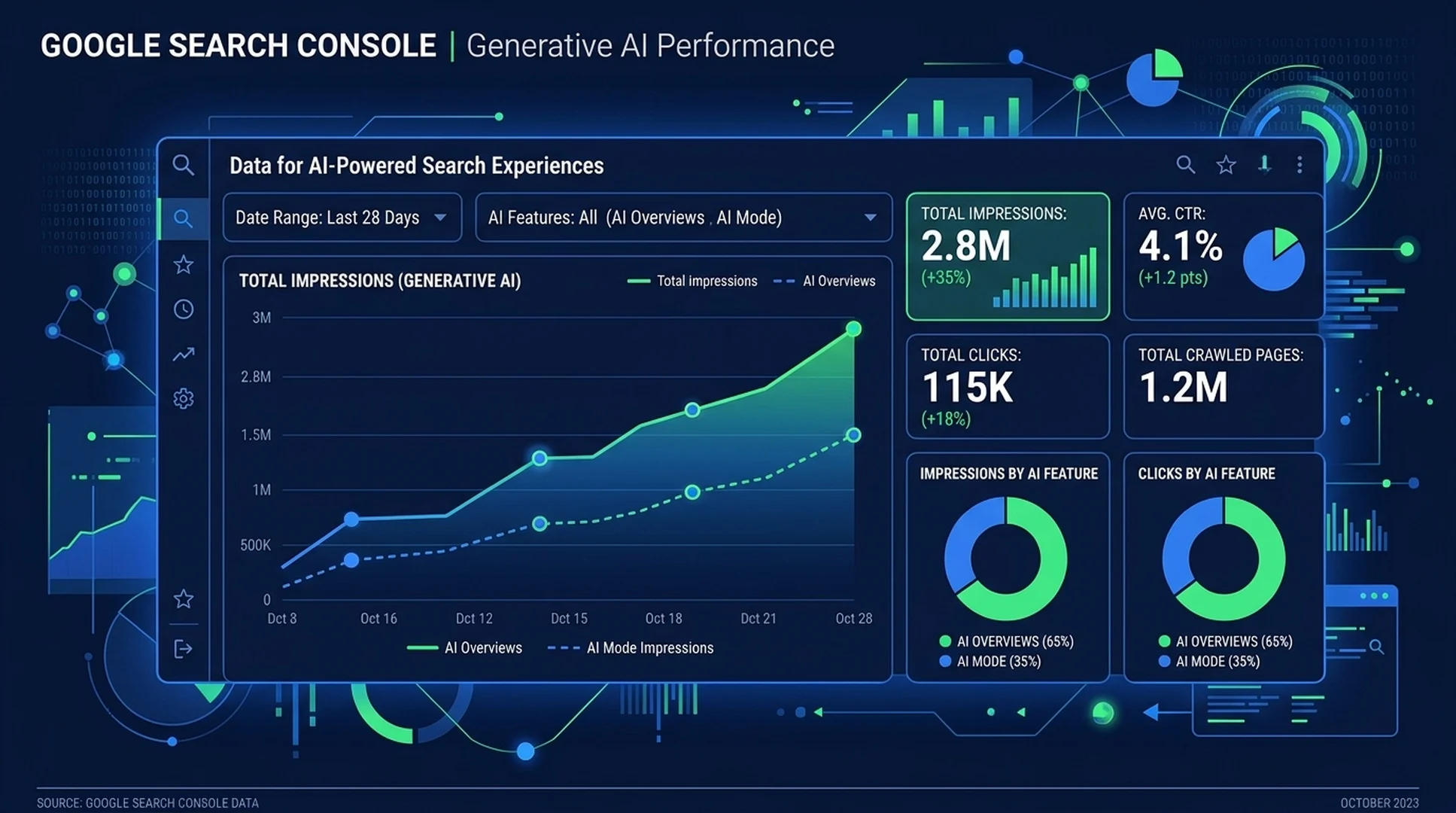
Google's generative AI performance reports in Search Console have expanded to most website profiles after a limited launch in early June, giving SEO teams their first dedicated view of how content appears in AI Overviews and AI Mode. The reports track impressions from generative AI features but still exclude click and query data.
The details
Google introduced the generative AI performance reports on June 3, 2026, initially rolling them out to a subset of Search Console users. The company said at the time it was starting with a limited group to "thoroughly test them and receive feedback before making them widely available," according to the official Google Search Central blog post by Hillel Maoz, Search Ecosystem Engineering Manager, and Moshe Samet, Product Manager Lead for Search Console.
As of August 11, the reports appear in most Search Console properties. One SEO professional checked approximately 25 profiles and found the report available in all of them. The report sits as an expandable tab under the main performance report in Search Console, separate from the standard organic search data.
Google's John Mueller addressed questions about the rollout on Reddit, clarifying that the feature is "not yet every domain." He added that, like the Discover and news reports, the generative AI report only displays when there is "sufficient data to display." Sites that have not received enough impressions in generative AI features on Google Search will not see the tab at all.
The data available in the report covers five dimensions:
- Impressions showing how often URLs from a site appeared in generative AI features in Search and Discover
- Pages listing which specific URLs appeared within AI features
- Countries breaking down visibility by geographic market
- Devices identifying which devices people used when seeing the website in AI results (available for Search)
- Dates offering hourly, daily, weekly, and monthly granularity for trend tracking
There is no click data. There are no queries. SEOs can see that their content appeared in an AI Overview, but they cannot determine which queries triggered the appearance or whether users clicked through to the site from that AI-generated result.
Context
Google began testing AI Overviews in Search in May 2024 as part of its Search Generative Experience initiative. The feature expanded globally throughout 2024 and 2025, eventually becoming a standard component of search results for many query types. In late 2025, Google introduced AI Mode, a separate conversational AI interface within Search that generates longer-form answers.
Despite these features reshaping how users find information on Google, site owners had no direct way to measure their visibility within them. Third-party tools attempted to track AI Overview appearances through automated SERP scraping, but these estimates lacked the precision of first-party data. The new report fills that gap, at least partially.
The broader performance report in Search Console already includes generative AI impressions mixed in with organic search data. The new dedicated report separates AI feature visibility into its own view, making it easier to isolate and analyze without organic search numbers drowning out the signal.
Why this matters for SEO and AI visibility
For the past two years, SEO teams have operated in the dark when it comes to AI Overviews and AI Mode. They could infer AI visibility through third-party tracking tools and manual spot-checks, but Google's own data was absent from the picture. This report changes that equation, even with its limitations.
The impression data alone lets teams answer basic questions: Which pages are showing up in AI results? Is visibility growing or declining over time? Are certain markets seeing more AI-generated traffic displacement than others? Before this report, none of those questions had an authoritative answer.
The missing click data matters. Without knowing whether AI Overview appearances drive clicks, cannibalize organic traffic, or sit entirely unused, teams cannot calculate the net impact of AI features on their revenue. A page might be earning thousands of impressions in AI Overviews while receiving zero clicks from them, or it might be converting at higher rates than organic results. There is no way to tell from this report alone.
Google has said it may add more metrics over time but offered no timeline for when click or query data might become available.
What to watch next
Google's blog post mentioned the company is "continuing to work with website owners to understand what insights and data would be most helpful to inform their strategies, such as adding additional metrics over time." The most requested additions from the SEO community are click-through data and query-level breakdowns.
SEO teams should check their Search Console properties for the new report tab. Sites with meaningful AI Overview visibility should begin tracking baseline impressions now, before the data becomes more useful for trend analysis over the coming months. Building a historical record of AI feature impressions will be valuable regardless of whether Google adds more data points later.
The report's current limitations also point to where Google's priorities lie. Impression data without clicks suggests Google is still studying how users interact with AI-generated results before giving publishers the tools to optimize for them.
Sources
- Introducing Search Generative AI performance reports in Search Console - Google Search Central Blog, June 3, 2026
Author: Sophie Renard, AI Search Briefing Analyst at Auspia. Sophie tracks timely updates across 30+ search and AI platforms, delivering concise briefs on the changes that matter for search visibility.