Google Search Console's Generative AI Report Now Available to Most Sites
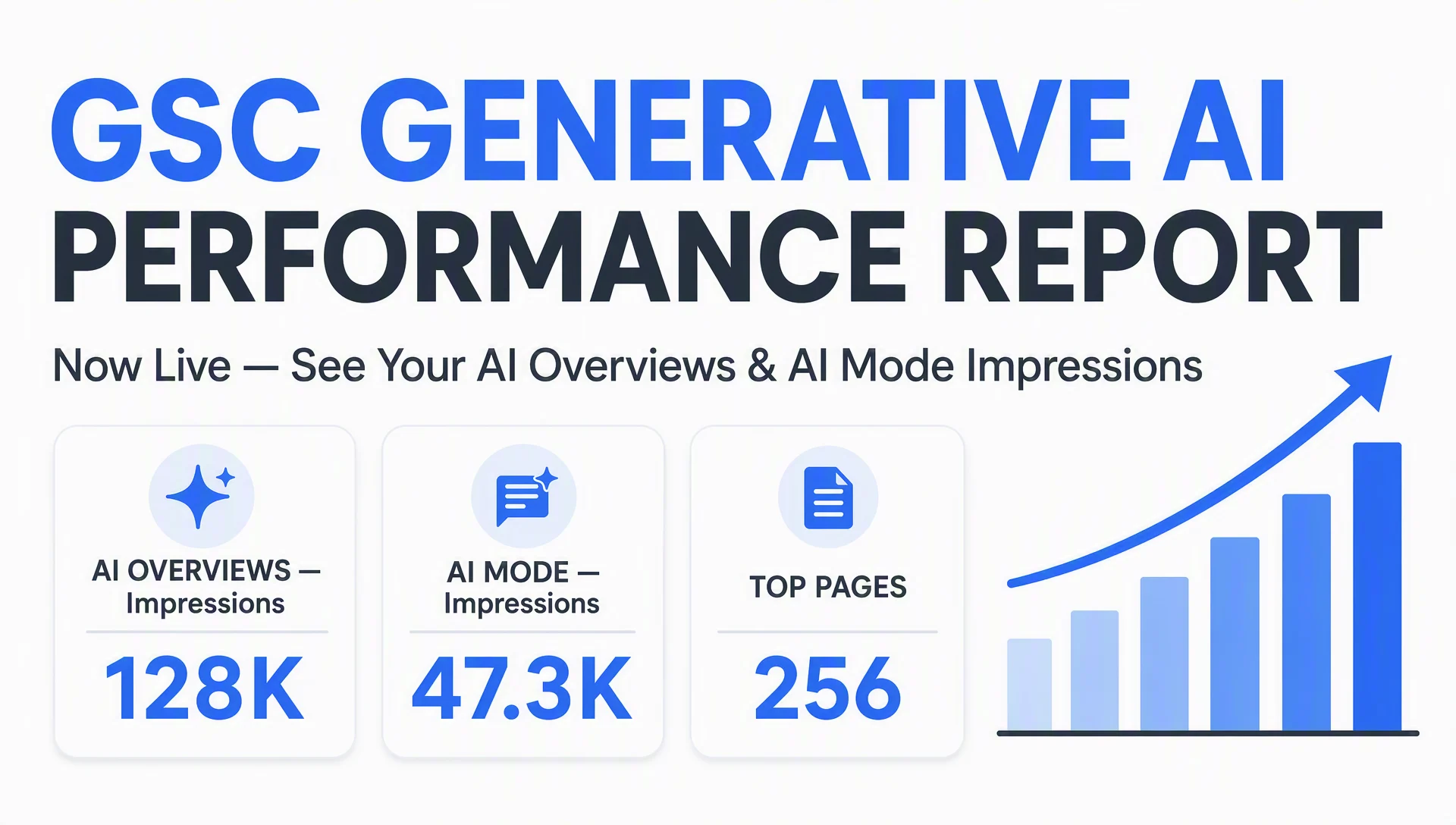
Google's Search Console generative AI performance report, first introduced in a limited rollout in June 2026, has expanded to the majority of website properties. The report gives site owners their first dedicated view of how their content performs inside AI-powered search features like AI Overviews and AI Mode.
The expansion was noticed by multiple SEO professionals this week who confirmed seeing the report appear across dozens of unrelated Search Console profiles. Google has not issued a formal announcement about the wider availability, though Google's John Mueller stated on Reddit that the rollout is still in progress and not every domain has received access yet.
The details
Google launched the generative AI performance report on June 3, 2026, initially limiting access to a subset of websites. At the time, the company said it was "rolling these reports out to a subset of websites, allowing us to thoroughly test them and receive feedback before making them widely available," according to the official Google Search Central blog post authored by Hillel Maoz, Search Ecosystem Engineering Manager, and Moshe Samet, Product Manager Lead for Search Console.
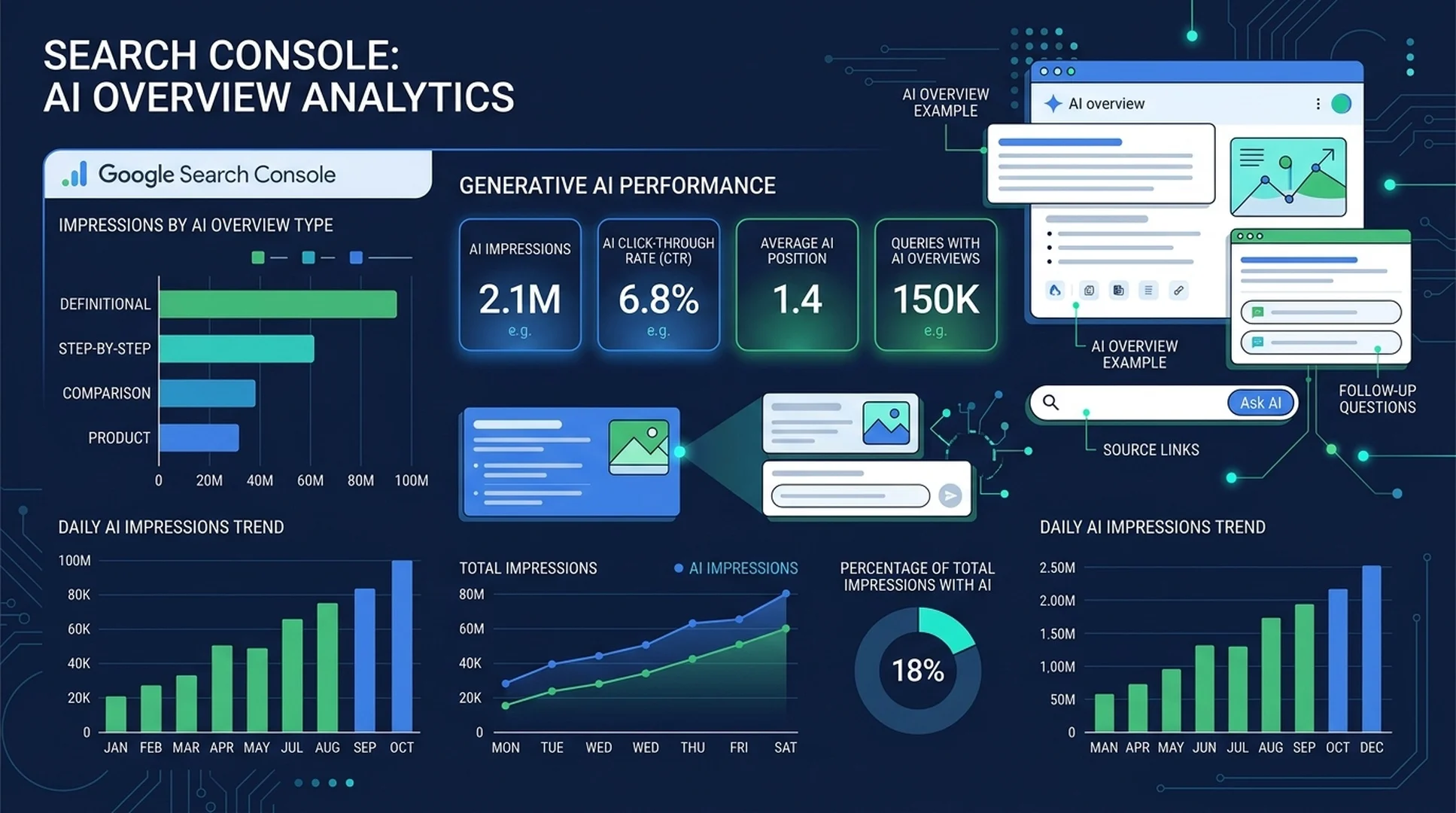
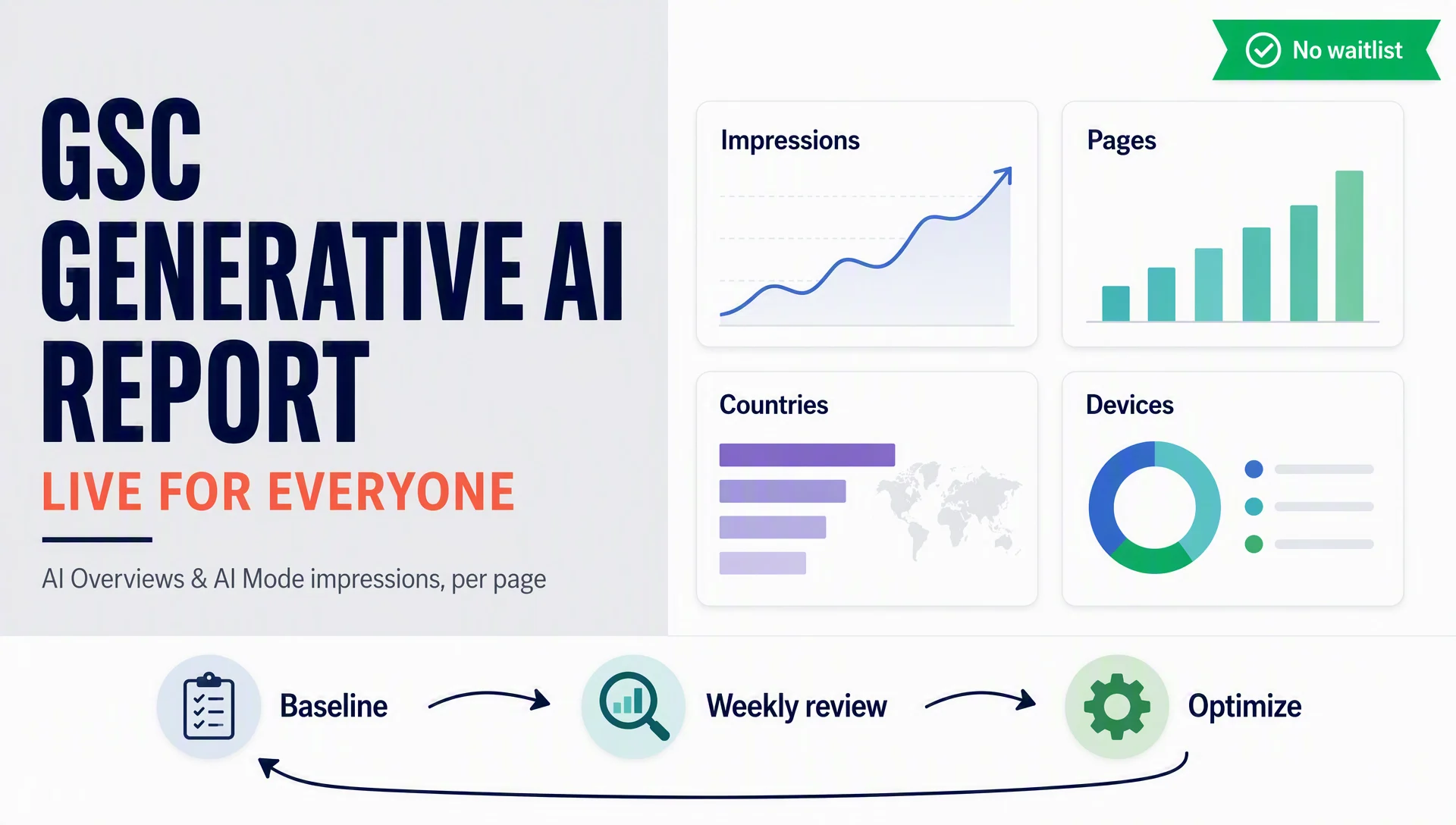
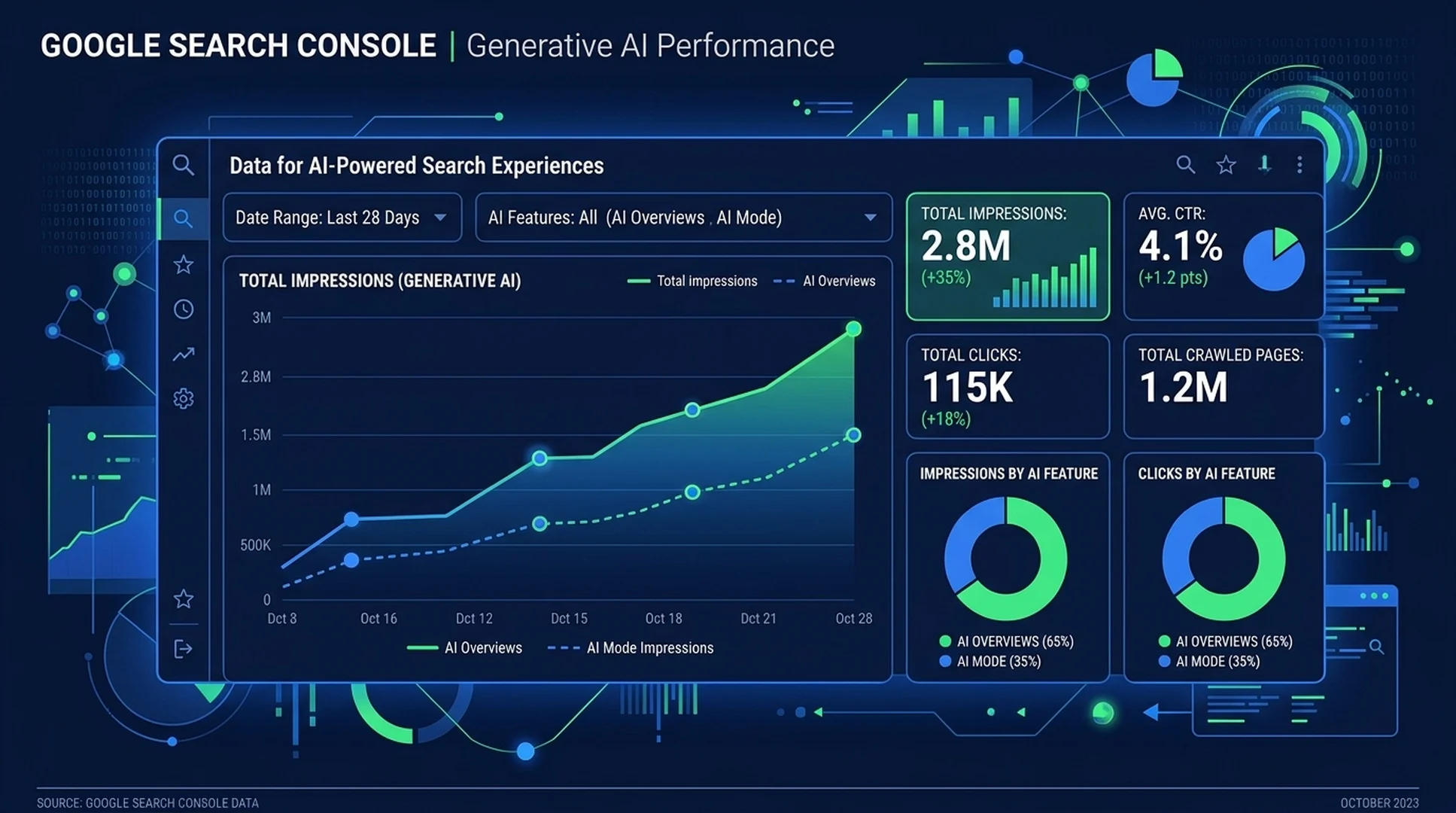
The report appears as an expandable section beneath the main Performance report in Search Console. It tracks impressions of a site's URLs within generative AI features across both Google Search and Google Discover.
The data available in the report includes:
- Impressions: How often URLs from a site appeared in generative AI features on Search and Discover.
- Pages: Which specific URLs were surfaced within AI features.
- Countries: Geographic breakdown of where AI-generated impressions originated.
- Devices: The device types associated with AI feature impressions (Search results only).
- Dates: Time-series data with hourly, daily, weekly, and monthly granularity.
A notable limitation remains: the report does not include click-through data or query-level information. Site owners can see that their pages appeared in AI Overviews or AI Mode, but cannot determine from this report whether users actually clicked through to their sites from those AI surfaces.
Mueller clarified on Reddit that the report follows the same visibility rules as the Discover and news performance reports, meaning it only displays when a site has received sufficient impressions in generative AI features to warrant showing data. Sites with minimal or no AI feature visibility will not see the tab.
Context
Google's AI Overviews launched in the United States in May 2024 and have since expanded to over 200 countries and territories. AI Mode, a conversational search experience that lets users ask follow-up questions, rolled out globally in March 2025. Together, these features represent a fundamental shift in how users interact with Google Search.
For SEO professionals, the challenge has been measuring impact. Traditional organic click data in Search Console conflates traffic from standard blue links with traffic from AI-powered surfaces. The new generative AI report separates these, giving teams a clearer picture of where their visibility actually lives.
The expansion to most sites this week comes roughly ten weeks after the initial June launch. Google typically staggers Search Console feature rollouts to manage server load and catch bugs before full deployment. The timeline suggests the company is satisfied with the report's performance during the limited availability period.
Why this matters for SEO and AI visibility
This report represents the first time Google has provided site owners with a dedicated measurement tool for their presence in AI-generated search results. As AI Overviews and AI Mode increasingly serve as the primary interface between users and web content, understanding which pages surface in these features has become a core concern for search teams.
The absence of click data is a significant gap. AI Overviews often satisfy user intent without requiring a click, meaning a page can receive substantial AI impressions while seeing reduced traditional organic traffic. Without click-through metrics, site owners cannot calculate the actual traffic yield from their AI visibility. This makes it difficult to determine whether AI appearances help or hurt overall site traffic.
The geographic and device-level breakdowns offer practical value regardless. Teams can see whether their AI presence clusters in specific markets or device types, which helps prioritize content localization and technical fixes. A site that discovers most of its AI impressions come from mobile users in Germany, for instance, might prioritize mobile-optimized German-language content.
What to watch next
Google's June announcement indicated the company is "continuing to work with website owners to understand what insights and data would be most helpful to inform their strategies, such as adding additional metrics over time." The most anticipated addition would be click data, which would allow site owners to measure the full impact of AI feature appearances on their traffic.
SEO teams should monitor their Search Console properties regularly over the coming weeks as the rollout continues. Sites that do not yet see the report should verify they have sufficient AI feature impressions to trigger its display, and should ensure their Search Console verification is current.
Google will likely continue expanding transparency around AI search surfaces. The generative AI report is a starting point, not a finished product. Additional dimensions of AI search performance should become measurable in the months ahead.
Sources
- Introducing Search Generative AI performance reports in Search Console — Google Search Central Blog, June 3, 2026
- John Mueller on Reddit regarding GSC AI report rollout — August 2026