Amazon GEO: Alexa for Shopping के लिए sellers को कैसे optimize करना चाहिए
Alexa for Shopping, Amazon पर product discovery को keyword search से AI-assisted product decisions की ओर बदल रहा है। यहां बताया गया है कि sellers को GEO के लिए listings, reviews, Q&A और off-Amazon brand signals कैसे फिर से लिखने चाहिए।
संक्षिप्त संस्करण
Amazon search अब केवल यह नहीं है कि customer “portable speaker” टाइप करे और listings की एक page scan करे। Alexa for Shopping के साथ Amazon product discovery journey का बड़ा हिस्सा ऐसे AI assistant में ले जा रहा है जो questions answer कर सकता है, products compare कर सकता है, reviews summarize कर सकता है, carts बना सकता है, prices track कर सकता है और shopper history का context उपयोग कर सकता है।
इससे seller का काम बदल जाता है।
Traditional Amazon SEO shopper को आपकी listing खोजने में मदद करने के बारे में है। Amazon GEO, या generative engine optimization, AI को यह समझाने के बारे में है कि आपका product कब recommend किए जाने योग्य है।
जो seller title में सिर्फ keywords भरता है, वह classic search में अभी भी दिख सकता है। लेकिन जब shopper पूछता है, “80 डॉलर से कम में beach weekend के लिए अच्छा waterproof speaker कौन सा है?”, तो assistant को keyword overlap से अधिक चाहिए। उसे use cases, comparison points, trust signals, review evidence, price fit और clear product facts चाहिए।
Amazon की अपनी announcement कहती है कि Alexa for Shopping Amazon app और website में product knowledge, web information, shopping history, preferences, conversations, price history, product comparisons और AI overviews को जोड़ता है। Sellers को मानना चाहिए कि उनका product content machine-generated buying advice का raw material बन रहा है।
तो practical shift सरल है:
पुराना Amazon SEO | Alexa for Shopping के लिए Amazon GEO |
|---|---|
keyword के लिए rank करना | intent के लिए credible recommendation बनना |
product terms repeat करना | use cases और buyer situations समझाना |
listing fields अलग-अलग optimize करना | title, bullets, A+ content, Q&A, reviews और outside mentions को एक ही कहानी बताने देना |
click जीतना | AI को shortlist करने का reason देना |
केवल search rank और ad spend measure करना | conversion, recommendation language, review themes, comparison fit और AI answer presence देखना |
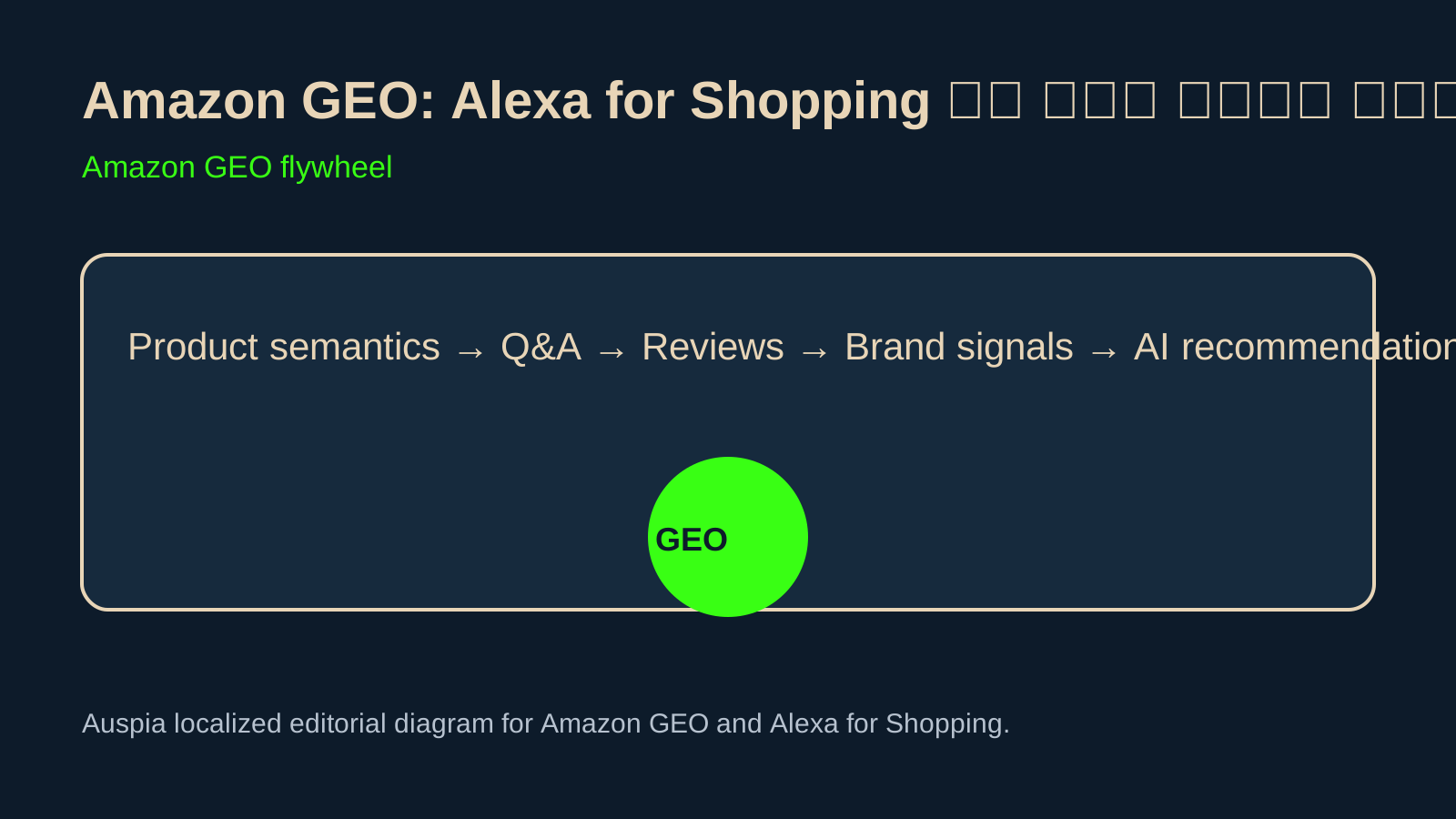
Caption: Amazon GEO कोई एक listing trick नहीं है। यह product meaning, customer evidence और recommendation-worthy trust signals का loop है।
Alexa for Shopping Amazon sellers के लिए क्या बदलता है
Amazon ने 13 May 2026 को Alexa for Shopping पेश किया, जिसमें Rufus और Alexa+ को Amazon Shopping app और website पर साथ लाया गया। Official launch post उन features को बताता है जो sellers के लिए सीधे महत्वपूर्ण हैं: shoppers main search bar में questions पूछ सकते हैं, search results से products compare कर सकते हैं, search और product pages पर AI overviews देख सकते हैं, price history check कर सकते हैं, routine purchases schedule कर सकते हैं, और Amazon तथा web के across shopping guidance पा सकते हैं।
इसका अर्थ यह नहीं है कि हर seller panic करे और overnight सब कुछ rewrite कर दे। लेकिन इसका अर्थ है कि Amazon discovery में buyer और listing के बीच decision का एक और layer आ रहा है।
Assistant अब एक साथ कई roles निभा सकता है:
Product researcher: “500 डॉलर से कम espresso machine में मुझे क्या देखना चाहिए?”
Comparison engine: “इन दो air fryers की तुलना करो।”
Review summarizer: “क्या यह chair lower back pain के लिए अच्छी है?”
Cart builder: “मेरे usual pet supplies add करो।”
Price watcher: “अगर यह 40 डॉलर से नीचे जाए तो खरीदो।”
Cross-web shopper: “Amazon के बाहर similar products ढूंढो।”
Sellers के लिए uncomfortable हिस्सा यह है: customer आपकी listing पहले नहीं पढ़ भी सकता। Alexa उसे summarize कर सकता है, compare कर सकता है, और decide कर सकता है कि वह answer में शामिल होनी चाहिए या नहीं।
यही Amazon GEO का heart है।
मूल logic: LLM plus Amazon data layer
Alexa for Shopping एक friendlier interface वाला normal search box नहीं है। यह Amazon के product catalog, customer behavior, reviews, price signals और web context के ऊपर बैठे LLM जैसा है।
Assistant कई inputs से draw कर सकता है, जिनमें शामिल हैं:
product title
bullet points
A+ content
product attributes
images और captions
customer reviews
Q&A
brand store और brand profile
price और price history
availability और delivery promise
conversion behavior
returns और satisfaction signals
Amazon badges और merchandising signals
shopper preferences और history
brands और products के बारे में outside web information
कोई seller इन सभी signals को control नहीं करता। यही point है। GEO कोई hack नहीं है। यह product को AI system के लिए समझना, trust करना, compare करना और explain करना आसान बनाने की discipline है।
एक अच्छा Amazon GEO asset चार सवालों का स्पष्ट जवाब देता है:
यह product simple language में क्या है?
यह किसके लिए best है?
किन situations में यह alternatives से बेहतर choice है?
कौन सा evidence उस recommendation को support करता है?
अगर आपकी listing इन सवालों का जवाब नहीं देती, तो Alexa को guess करना पड़ता है। और जब AI systems को guess करना पड़ता है, वे आमतौर पर उस product को चुनते हैं जिसके पास clearer evidence हो।
1. Listings को meaning के लिए rewrite करें, सिर्फ keywords के लिए नहीं
बहुत सी Amazon listings अभी भी ऐसी लगती हैं जैसे वे 2016 के search crawler के लिए बनाई गई हों:
Bluetooth Speaker Portable Speaker Wireless Mini Speaker Loud Bass Waterproof Speaker
यह terms capture कर सकता है। लेकिन product को अच्छी तरह explain नहीं करता।
Alexa-style shopping queries के लिए बेहतर version use case, buyer situation और constraint के बारे में specific होता है:
Portable Waterproof Bluetooth Speaker for Beach Trips, Camping, and Small Outdoor Parties, 24-Hour Battery Life
दूसरा version assistant को काम करने के लिए अधिक देता है। वह product को ऐसे questions से map कर सकता है:
“Camping में कौन सा speaker ले जाना चाहिए?”
“मुझे beach के लिए waterproof speaker चाहिए।”
“कौन सा portable speaker पूरे weekend चलेगा?”
“अच्छा outdoor party speaker कौन सा है?”
Keyword अभी भी मौजूद है। फर्क यह है कि अब यह useful semantic frame में बैठा है।
हर top ASIN के लिए title और first content block को पांच fields के around rewrite करें:
Field | खराब version | GEO-ready version |
|---|---|---|
Product type | “speaker” | “portable waterproof Bluetooth speaker” |
Main use case | “outdoor” | “camping, beach trips, pool days, small backyard parties” |
Buyer | “for everyone” | “travelers, families, students और casual hosts के लिए” |
Constraint | “long battery” | “weekend use के लिए 24-hour battery, daily charging के बिना” |
Differentiator | “premium sound” | “low volume पर clear vocals और outdoors में strong bass” |
Core search terms न हटाएं। उन्हें ऐसे sentence में रखें जिसे human सच में समझ सके।
2. Bullet points को AI-quotable answers बनाएं
पांच bullet points अब सिर्फ specs की जगह नहीं हैं। वे product summaries, comparisons और AI-generated buying advice के लिए likely source material हैं।
Weak bullet कहता है:
5000mAh battery
IPX7 waterproof
Lightweight design
Strong GEO bullet buyer के question का answer देता है:
24 hours तक चलता है, इसलिए full beach day या weekend camping trip को midday recharge के बिना cover कर सकता है।
IPX7 waterproof design pool splashes, rain और पानी में short accidental drops handle करता है।
1.2 lb से कम weight होने के कारण backpacks, carry-ons और picnic bags के लिए practical है।
Better version में facts अभी भी हैं। लेकिन यह context जोड़ता है। इससे AI assistant के लिए extract, compare और explain करना आसान होता है।
Useful bullet structure है:
Buyer question | Bullet structure |
|---|---|
“क्या यह मेरी situation के लिए work करेगा?” | Feature + situation + limit |
“यह better क्यों है?” | Differentiator + compared alternative |
“क्या मैं trust कर सकता हूं?” | Evidence + constraint + honest caveat |
“क्या यह compatible है?” | Compatibility statement + exact models or standards |
“यह कौन सी problem solve करता है?” | Problem + outcome + measurable detail |
उदाहरण के लिए, “Ergonomic chair with lumbar support” न लिखें। लिखें: “Adjustable lumbar support उन लोगों को मदद करता है जो दिन में 6-8 hours बैठते हैं, ताकि posture बदलने पर lower-back support aligned रहे।”
यह वही sentence है जिसे assistant recommendation reason में बदल सकता है।
3. Reviews को semantic evidence की तरह treat करें
Reviews की importance कम नहीं, ज्यादा होने वाली है। इसलिए नहीं कि sellers उन्हें control कर सकते हैं, बल्कि इसलिए कि उनमें buyer language होती है जो listings में अक्सर छूट जाती है।
अगर shopper पूछता है, “मेरी mom के लिए कौन सा neck massager best है?”, Alexa title में केवल “neck massager” नहीं देखेगा। उसे यह भी matter कर सकता है कि real buyers product को इस तरह describe करते हैं या नहीं:
मेरी mom के लिए खरीदा
older parents के लिए easy to use
beginners के लिए gentle enough
hold करने में lightweight
long workdays के बाद helpful
simple controls
clear instructions
“good” कहने वाला review useless नहीं है, लेकिन thin है। ऐसा review जो buyer, use case, comparison और result समझाता है, AI synthesis के लिए बहुत अधिक valuable है।
Sellers को reviews manipulate नहीं करने चाहिए। यह risky है और marketplace rules के खिलाफ है। लेकिन वे legitimate post-purchase prompts design कर सकते हैं जो useful, specific feedback invite करें।
Customers से real usage के बारे में पूछें:
आपने यह किसलिए खरीदा?
किसने इसका उपयोग किया?
आप कौन सी problem solve करना चाहते थे?
Setup easy था या difficult?
आपने इसे किससे compare किया?
Use करने के बाद आपको क्या surprise हुआ?
यह compliant follow-up emails, product inserts, customer support scripts, जहां appropriate हो वहां Vine participation, और better onboarding content के जरिए किया जा सकता है। Goal fake positivity नहीं है। Goal richer language है।
Caption: Review quality केवल star rating नहीं है। GEO के लिए review के अंदर के words assistant को समझाते हैं कि product किसके लिए है।
4. Q&A section को product knowledge base की तरह बनाएं
Q&A area अक्सर messy, outdated या empty होता है। अगर AI assistants specific shopper questions के answers के लिए इसका उपयोग करते हैं, तो यह problem है।
Q&A को Alexa के लिए mini knowledge base मानें।
Seller को proactively इन buckets में questions cover करने चाहिए:
Q&A bucket | Examples |
|---|---|
Compatibility | “क्या यह iPhone 16 के साथ work करता है?” “क्या यह 2024 Tesla Model Y में fit होता है?” |
Usage | “क्या मैं इसे outdoors use कर सकता हूं?” “Setup में कितना समय लगता है?” |
Audience | “क्या यह seniors के लिए suitable है?” “क्या यह kids के लिए safe है?” |
Troubleshooting | “अगर यह pair न हो तो क्या करूं?” |
Comparisons | “यह standard model से कैसे अलग है?” |
Limits | “क्या यह heavy rain handle कर सकता है?” “Maximum weight क्या है?” |
Best Q&A answers direct होते हैं। वे ad copy जैसे नहीं लगते।
Bad answer:
हां, यह amazing product सभी के लिए perfect है और premium quality देता है।
Better answer:
हां। यह iPhone 12 और उन newer models के साथ work करता है जो Bluetooth 5.0 support करते हैं। Older iPhones के लिए pairing फिर भी work करती है, लेकिन low-latency mode उपलब्ध नहीं हो सकता।
दूसरा answer Alexa को repeat करने के लिए safe material देता है।
5. अपने brand को entity बनाएं, सिर्फ seller name नहीं
Source article एक point उठाता है जिसे sellers को serious लेना चाहिए: Amazon GEO केवल on-Amazon optimization नहीं है।
Amazon की announcement कहती है कि Alexa for Shopping पूरे web से information उपयोग कर सकता है। इसका मतलब है कि external brand signals अधिक important हो सकते हैं जब AI shopping assistants marketplace के बाहर से context खींचने में comfortable होते जाते हैं।
Sellers के लिए brand entity work में शामिल है:
स्पष्ट brand website जिसमें product categories, उपयोग स्थितियां और सहायता pages हों
Amazon, Google, YouTube, TikTok, Reddit और review sites पर consistent brand descriptions
third-party reviews जो recognizable category language उपयोग करें
owned media पर comparison pages या buying guides
जहां appropriate हो वहां structured product information
clear About, warranty, support और safety pages
relevant category lists में mentions, random PR placements नहीं
Kitchen brand phrases जैसे “small apartments के लिए compact espresso machine” या “beginners के लिए budget burr grinder” से associated होना चाहता है, सिर्फ brand name से नहीं। Chair brand “lower back support के लिए ergonomic chair” के around credible mentions चाहता है, केवल “office chair” नहीं।
यही वह जगह है जहां AI search visibility Amazon selling से overlap करती है। अगर ChatGPT, Perplexity, Google AI Overviews, Reddit threads और review sites आपकी product category को अलग-अलग तरीके से describe करते हैं, तो AI systems को messy picture मिलती है। अगर language consistent है, तो brand retrieve और recommend करना आसान हो जाता है।
6. AI को आपको favorable compare करने का reason दें
AI shopping assistants comparisons पसंद करते हैं क्योंकि shoppers comparisons पसंद करते हैं। “Compare these two air fryers” ठीक वही request है जिसके लिए Alexa for Shopping design किया गया है।
इसका मतलब है कि आपकी listing को सिर्फ यह नहीं कहना चाहिए कि product क्या है। उसे यह कहना चाहिए कि कब यह better choice है।
Useful differentiators में शामिल हैं:
category की typical models से quieter
travel के लिए lighter
beginner-friendly setup
small apartments के लिए better
kids या pets के लिए safer, यदि facts support करते हों
clean करना easier
faster charging
wider compatibility
dermatologist tested या recommended, यदि documented हो
lower total cost of ownership
“best quality” या “premium performance” जैसे vague claims से सावधान रहें। AI systems के लिए इन्हें defend करना कठिन है।
Better:
Small kitchens के लिए best: 9-inch width अधिकांश apartment cabinets के नीचे fit होती है और फिर भी bread की चार slices रखती है।
Better:
Beginners के लिए better: one-button preset mode manual temperature settings से बचाता है और printed quick-start guide शामिल करता है।
इन sentences में recommendation logic है। ये Alexa को explain करने में मदद करते हैं कि एक option shopper के लिए दूसरे से बेहतर fit क्यों है।
7. GEO से ad efficiency प्रभावित होने की अपेक्षा करें
Amazon Ads इस shift से हमेशा अलग नहीं रहेगा। भले ही classic Sponsored Products familiar दिखें, AI-assisted discovery बदल सकता है कि कौन से products considered होते हैं, कौन से answers sponsored options mention करते हैं, और recommendation के बाद कौन सी listings convert करती हैं।
Likely flywheel ऐसा दिखता है:
Alexa product recommend करता है क्योंकि उसका content shopper intent से fit करता है।
Recommendation better-qualified visit लाती है।
Better-qualified visits conversion behavior improve करती हैं।
Stronger conversion और satisfaction signals product को फिर से recommend करने के लिए safer बनाते हैं।
उस product से जुड़े ads अधिक efficient हो जाते हैं क्योंकि listing intent का better answer देती है।
Reverse भी possible है। Vague content, weak reviews, poor Q&A और no clear differentiator वाली listing clicks के लिए pay कर सकती है, लेकिन AI recommendation confidence earn नहीं कर पाती।
अगले 60-90 दिनों में sellers को rank और ACoS से अधिक देखना चाहिए। Track करें:
top ASINs पर conversion rate changes
review language themes
Q&A coverage gaps
conversational phrasing वाले search-term reports
branded versus non-branded discovery का share
जहां उपलब्ध हो price-alert और deal-driven conversion patterns
Amazon और external AI search tools में AI answer visibility
अगर आपकी reporting अभी भी सभी queries को keyword strings की तरह treat करती है, तो आप shopping questions की ओर shift miss करेंगे।
Sellers के लिए practical Amazon GEO checklist
अपने top 10 revenue ASINs से शुरू करें। पहले पूरे catalog को fix करने की कोशिश न करें।
इस checklist का उपयोग करें:
Step | क्या check करें | क्या fix करें |
|---|---|---|
1 | Title | Product type, audience, scenario, constraint और main differentiator जोड़ें |
2 | First two bullet points | Real buyer questions के answers की तरह rewrite करें |
3 | A+ content | Scenarios, comparisons, limits और visual proof जोड़ें |
4 | Reviews | Repeated buyer phrases, use cases, objections और outcomes खोजें |
5 | Post-purchase prompts | Specific feedback लाने वाले नियमों के अनुरूप questions पूछें |
6 | Q&A | Compatibility, usage, audience, troubleshooting, comparisons और limits cover करें |
7 | Brand website | श्रेणियां, उपयोग स्थितियां और सहायता pages उसी भाषा का उपयोग करते हैं या नहीं देखें |
8 | External mentions | Relevant reviews, guides, Reddit discussions और category lists खोजें |
9 | Measurement | Conversion, review language, AI summaries और recommendation presence track करें |
अगर आप fast audit चाहते हैं, तो अपने product page को Auspia के GEO tools में चलाएं और एक simple question पूछें: क्या AI assistant बिना कुछ invent किए explain कर सकता है कि यह product किसके लिए best है?
FAQ
Amazon GEO क्या है?
Amazon GEO product content और brand signals को optimize करने की practice है ताकि Alexa for Shopping जैसे generative AI shopping assistants सही buyer intent के लिए product को समझ, compare और recommend कर सकें।
क्या Amazon GEO, Amazon SEO को replace कर रहा है?
नहीं। Keyword relevance अभी भी important है। GEO एक और layer जोड़ता है: semantic clarity, review evidence, Q&A coverage, brand trust और comparison-ready product information।
Alexa for Shopping के लिए sellers को पहले क्या update करना चाहिए?
सबसे अधिक revenue वाले ASINs के title, first two bullets, A+ content, review prompts और Q&A section से शुरू करें। ये fields assistant को सबसे clear product facts और उपयोग स्थिति की भाषा देते हैं।
क्या reviews GEO को affect करते हैं?
हां, reviews AI systems को वास्तविक buyer उपयोग स्थितियां, परिणाम, आपत्तियां और comparisons समझने में मदद कर सकते हैं। Sellers को reviews manipulate नहीं करने चाहिए, लेकिन उन्हें ऐसे नियमों के अनुरूप questions पूछने चाहिए जो useful, specific feedback encourage करें।
क्या off-Amazon content Amazon GEO के लिए matter करता है?
कर सकता है। Amazon कहता है कि Alexa for Shopping web भर से information उपयोग करता है, इसलिए आपकी website, social channels, review sites और community discussions पर consistent brand और product language बेहतर entity समझ support कर सकती है।
Amazon GEO performance कैसे measure करें?
Conversational search terms, conversion rate, Q&A coverage, review themes, AI-generated product summaries, external AI visibility और यह track करें कि important buyer prompts के लिए आपका product recommendation-style answers में दिखाई देता है या नहीं।
Author: Maya Ellison, Auspia में 12-Year GEO Strategy Researcher. Maya AI search visibility, brand entity clarity और growth teams के लिए practical GEO operating systems पर लिखती हैं।