संक्षिप्त संस्करण
अगर आप 2026 में SEO सीख रहे हैं, तो आप देर से नहीं आए हैं। शायद आप भाग्यशाली भी हैं। आपको keyword stuffing, कमज़ोर affiliate pages और backlink shortcuts के आसपास बनी दस साल पुरानी खराब आदतें विरासत में नहीं लेनी पड़ेंगी।
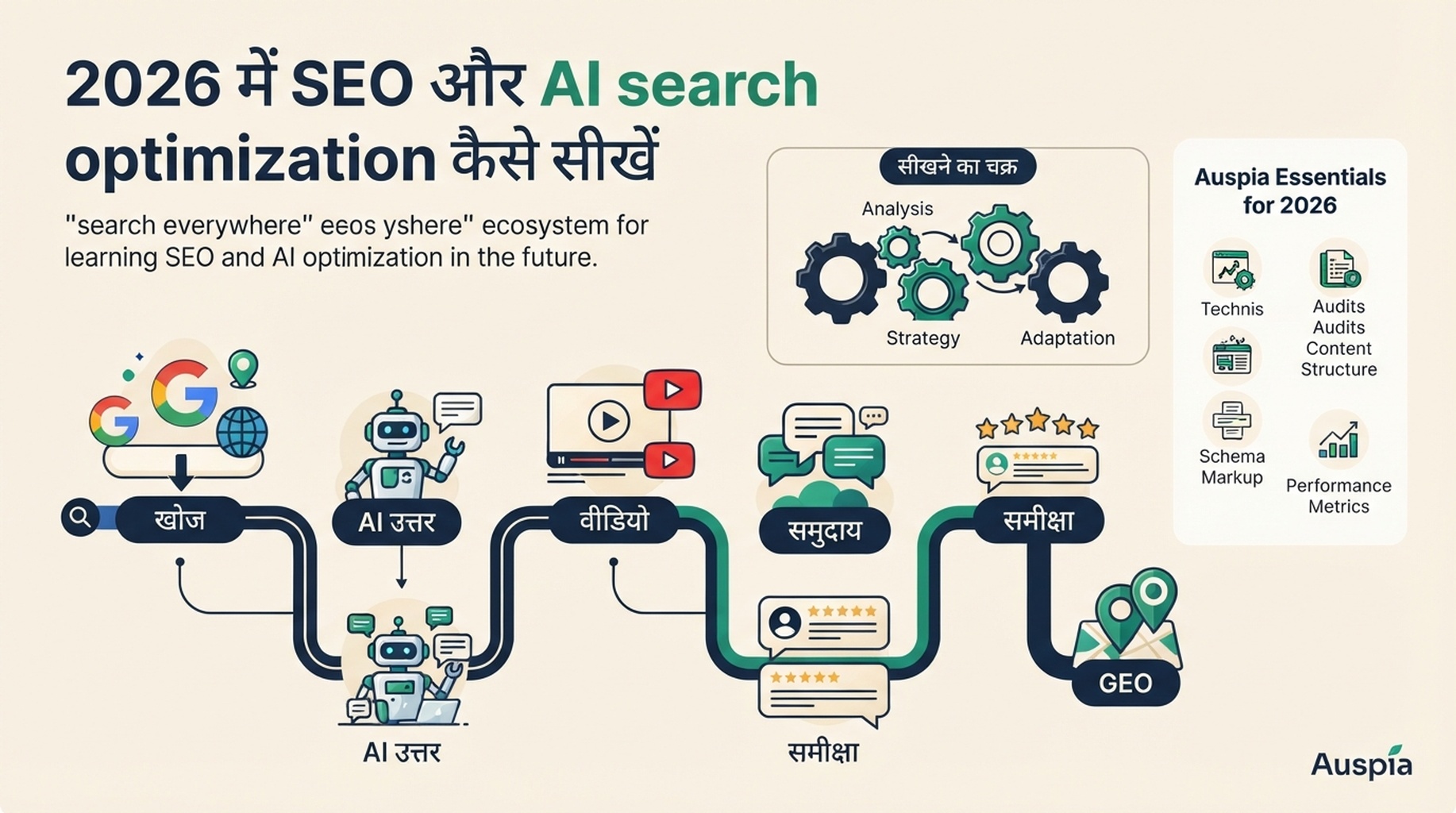
लेकिन काम अब कठिन है। SEO अब केवल “Google पर rank करो और clicks का इंतज़ार करो” नहीं है। Google अब कई सवालों का सीधा जवाब देता है। ChatGPT, Perplexity, Gemini, Claude और Copilot खोज सकते हैं, सार बना सकते हैं और सुझाव दे सकते हैं। YouTube, Reddit, LinkedIn, review sites और niche communities भी discovery loop का हिस्सा हैं।
सीखने का उपयोगी तरीका यह नहीं है कि website छूने से पहले एक महीना tutorials देखें। एक छोटा site बनाइए, एक topic चुनिए, publish कीजिए, results देखें, अगला bottleneck ठीक करने के लिए AI का उपयोग कीजिए और दोहराइए। SEO अब search everywhere optimization बन चुका है। इसे आप बार-बार सार्वजनिक रूप से काम करके सीखते हैं, जब तक patterns स्पष्ट न हो जाएँ।
पुराना SEO सीखने का रास्ता टूट चुका है
पुराना beginner playbook बहुत साफ था:
- keywords खोजो
- pages लिखो
- links बनाओ
- rankings का इंतज़ार करो
- traffic report करो
यह अब भी काम के एक हिस्से को बताता है, लेकिन modern discovery की उलझी हुई वास्तविकता को छोड़ देता है। कोई user Google में सवाल पूछकर AI Overview पढ़ सकता है और click न करे। दूसरा user ChatGPT से product shortlist मांग सकता है। तीसरा YouTube पर खोजेगा, फिर Reddit देखेगा, फिर Perplexity से options compare करवाएगा।
अगर आपका learning plan केवल “blog post को rank कैसे कराएँ” सिखाता है, तो आप बड़ी सड़क की सिर्फ एक lane सीख रहे हैं।
बड़ा बदलाव यह है: SEO पहले रैंकिंग का खेल जैसा लगता था। 2026 में यह दृश्यता का खेल बन गया है। क्या आपका ब्रांड, पृष्ठ, उत्पाद या विशेषज्ञ दृष्टिकोण वहाँ दिखाई दे सकता है जहाँ उपयोगकर्ता सवाल पूछता है?
इसका मतलब यह नहीं कि classic SEO बेकार हो गया। Technical SEO, crawlability, internal links, page speed, content quality और authority signals अब भी महत्वपूर्ण हैं। वे floor हैं। Ceiling में अब AI answer visibility, brand mentions, source diversity और ऐसा content भी शामिल है जिसे editor की सफाई के बिना quote किया जा सके।
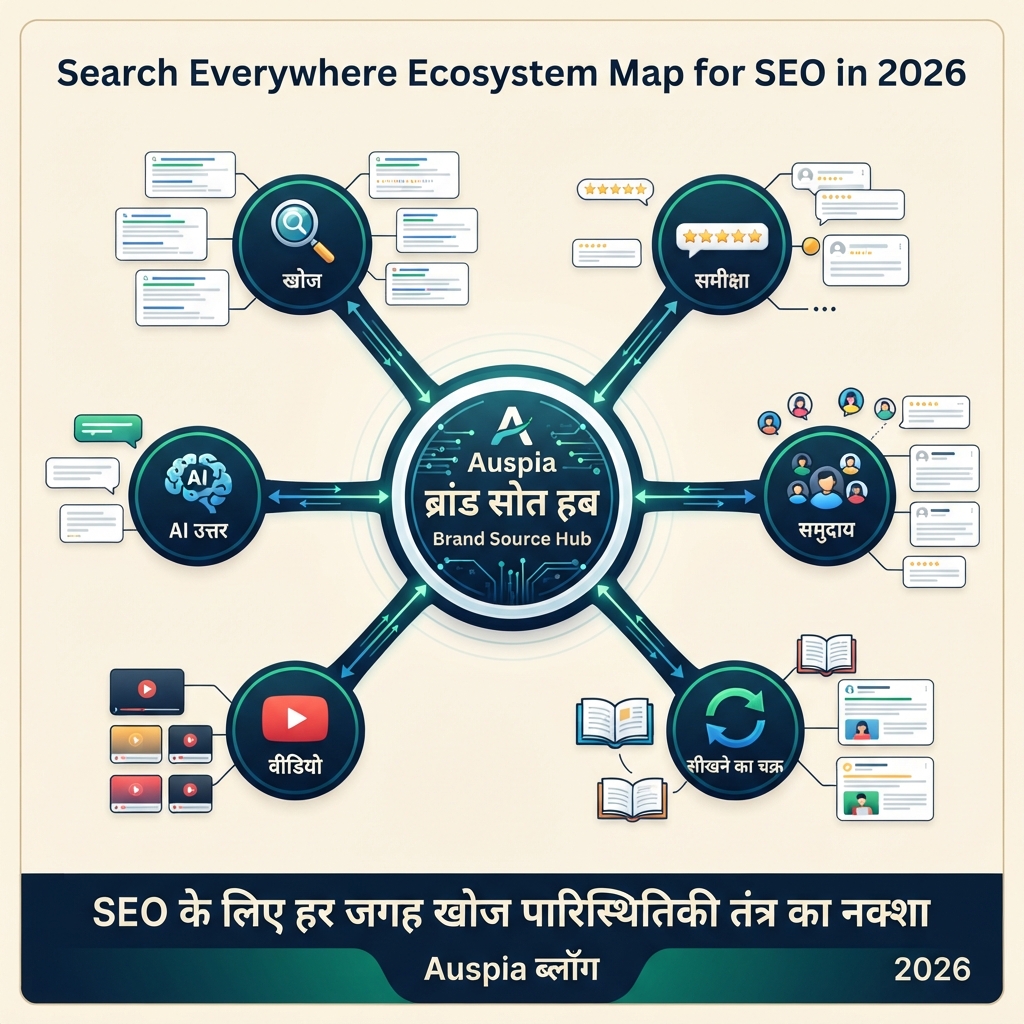
Modern SEO एक source ecosystem बन चुका है। Useful page answers, videos, reviews, community mentions और local data के बीच सिर्फ एक signal है।
तैयारी में अटके नहीं, बनाकर सीखें
अधिकांश beginners बहुत ज़्यादा तैयारी करते हैं। वे courses खरीदते हैं, templates जमा करते हैं, threads save करते हैं, reading list बनाते हैं और कई हफ्तों तक productive महसूस करते हैं। फिर CMS खोलते ही रुक जाते हैं।
SEO इस तरह नहीं सीखा जाता।
बेहतर रास्ता:
- एक domain खरीदें या छोटा existing site लें।
- ऐसा narrow topic चुनें जिस पर आप 30 दिनों तक लिख सकें।
- पाँच useful pages publish करें।
- site को search engines में submit करें।
- देखें कि क्या indexed हुआ, क्या ignored हुआ, क्या cited हुआ या AI answers ने क्या rewrite किया।
- AI tools से एक समय में एक concrete problem solve करें।
- loop दोहराएँ।
महत्वपूर्ण हिस्सा loop है। एक real indexing issue आपको indexing पर दस lectures से ज़्यादा सिखाएगा। दो search results pages compare करना keyword research framework याद करने से अधिक उपयोगी होगा।
ChatGPT, Claude, Gemini या किसी दूसरे assistant को tutor की तरह इस्तेमाल करें, replacement operator की तरह नहीं। उससे पूछें कि title weak क्यों है। उससे page outline inspect करवाएँ। उससे vague claim को sourced answer block में बदलने को कहें। फिर भी आपको publish, test, edit और measure करना होगा।
AI feedback cycle छोटा कर सकता है। वह आपको वास्तविक अनुभव की चोटें नहीं दे सकता।
SEO अब हर जगह search का नाम है
“search everywhere optimization” slogan जैसा लग सकता है, लेकिन यह वही बताता है जो users पहले से कर रहे हैं।
वे अधिक जगहों पर search करते हैं:
- Google Search और Google AI Overviews
- browsing या search connectors वाला ChatGPT
- Perplexity और अन्य answer engines
- YouTube और podcast platforms
- Reddit, Quora, Stack Overflow और niche forums
- LinkedIn, TikTok, Instagram और industry communities
- App stores, directories, review sites और marketplaces
किसी brand को पहले दिन हर platform dominate करने की ज़रूरत नहीं। ऐसा करने से teams burn out होती हैं। लेकिन beginner को map समझना चाहिए। Search journey अब web pages, videos, reviews, community comments, documentation और AI-generated answers से होकर गुजरती है।
Auspia पाठकों के लिए यही वह जगह है जहाँ SEO और GEO मिलते हैं। SEO आपके पृष्ठों को खोजने योग्य बनाता है। GEO आपकी सामग्री को एआई प्रणालियों के लिए ढूँढना, संक्षेपित करना और उद्धृत करना आसान बनाता है। AI search optimization दोनों को broader source ecosystem से जोड़ता है।
Google खुद अब एक surface नहीं है
बहुत लोग कहते हैं कि वे “Google SEO” कर रहे हैं, मानो Google अभी भी दस blue links की एक list हो। अब ऐसा नहीं है।
| Google surface | क्या बदला | कैसे सीखें |
| --- | --- | --- |
| Traditional organic results | Blue links अब भी traffic भेजते हैं, खासकर commercial और long-tail queries में | titles, intent match, internal links, snippets और competing page formats study करें |
| AI Overviews | Google click से पहले ही answer दे सकता है | clear explanatory sections, direct definitions, comparison tables और source-backed claims लिखें |
| AI Mode और conversational search | journey guided recommendation flow जैसी हो जाती है | question chains, product criteria और follow-up prompts test करें |
| Gemini | Google के पास classic SERP से बाहर AI assistant surface है | brand clarity और web पर consistent entity signals बनाएँ |
| Local results | Maps, reviews, proximity और business profiles कई service searches तय करते हैं | local pages, reviews, categories, photos और accurate business data maintain करें |
Beginner की गलती है केवल ranking position पढ़ना। Modern SEO practice यह भी पूछती है: क्या page AI answer में दिखाई दिया? क्या वह cited हुआ? क्या Google ने competitor की definition इस्तेमाल की? क्या answer ने blog post की जगह marketplace, forum या YouTube video mention किया?
Search result ही textbook है। इसे रोज़ खोलें।
AI search pages से अधिक brands को reward करता है
पारंपरिक SEO अक्सर सबसे बेहतर अनुकूलित पृष्ठ को पुरस्कृत करता था। AI search आम तौर पर उस स्रोत को प्राथमिकता देता है जिसे सुझाना सबसे सुरक्षित लगता है।
आमतौर पर इसका मतलब है कि brand के पास एक से अधिक signals हों:
- useful pages वाली clear website
- profiles और directories में consistent descriptions
- credible third parties से mentions
- reviews, comparisons और community discussion
- audience जहाँ पहले से search करती है वहाँ content
- direct, quotable answers वाले pages
Beginners के लिए यह असुविधाजनक है, क्योंकि यह blog posts लिखने से बड़ा लगता है। लेकिन इससे एक सरल learning principle भी बनता है: केवल content नहीं, evidence बनाइए।
अगर आप project management software बेचते हैं, तो “best productivity tips” पर generic article AI search के लिए कम काम करेगा। Stronger source ecosystem में comparison page, agencies के लिए use-case page, YouTube walkthrough, real customer reviews, feature limits स्पष्ट करने वाला help doc और कुछ third-party mentions होंगे जो confirm करें कि product मौजूद है और किसके लिए है।
Page महत्वपूर्ण है। Page के आसपास का footprint भी महत्वपूर्ण है।
राय पढ़ने से पहले results पढ़ें
SEO advice बहुत ज़्यादा है। कुछ उपयोगी है। कुछ ऐसे search environment से recycle हुआ है जो अब मौजूद नहीं है।
Judgment बनाने का सबसे तेज़ तरीका है live results study करना।
एक query चुनें और पूछें:
| सवाल | क्या देखें |
| --- | --- |
| कौन सा format जीतता है? | Blog post, category page, product page, video, forum thread, listicle, local pack |
| AI answers किसे cite करते हैं? | Publisher, vendor, marketplace, documentation, review site, community comment |
| answer क्या repeat करता है? | Definitions, feature criteria, statistics, pros and cons, steps |
| क्या missing है? | बेहतर examples, fresh data, clearer comparisons, stronger proof |
| winning brand और कहाँ दिखाई देता है? | YouTube, LinkedIn, Reddit, directories, podcasts, partner pages |
एक niche में दस queries पर यह अभ्यास करें और आपको ऐसे patterns दिखेंगे जो कोई course साफ-साफ नहीं दे सकता। कुछ niches अब भी blog-heavy हैं। कुछ review-heavy हैं। कुछ video-first हैं। कुछ local packs या marketplaces से dominated हैं।
Auspia का AI Search Visibility Checker इस habit के लिए उपयोगी है, क्योंकि यह vague सवाल “क्या हम AI search में visible हैं?” को prompts और sources में repeatable check में बदल देता है।
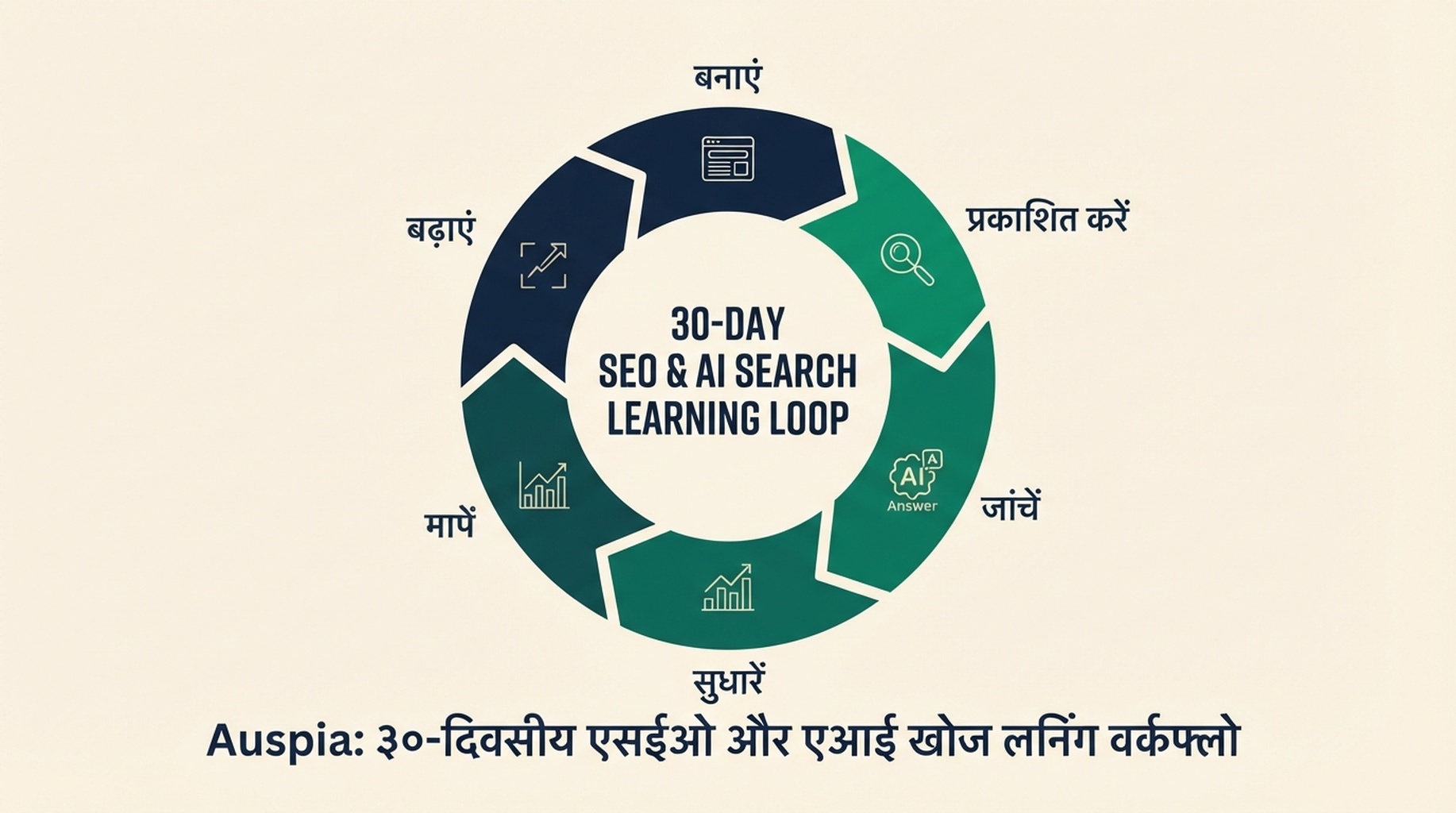
Beginner को हर platform एक साथ master करने की ज़रूरत नहीं। बेहतर path monthly loop है: build, inspect, fix, measure, फिर expand।
हर platform पर एक साथ हमला न करें
नया search map beginner को panic करा सकता है। Google, ChatGPT, Perplexity, YouTube, Reddit, LinkedIn, local SEO, schema, reviews, AI crawlers. अगर आप इसे एक weekend की checklist मानेंगे, तो यह बहुत ज़्यादा है।
बेहतर rhythm है: हर month एक platform।
| Month | Focus | Output |
| --- | --- | --- |
| 1 | Google organic और AI Overviews | एक topic cluster के around पाँच pages publish और improve करें |
| 2 | ChatGPT और Perplexity visibility | pages को answer-ready sections में rewrite करें और weekly prompts test करें |
| 3 | YouTube या short-form video | strongest pages को explainers, demos या comparisons में बदलें |
| 4 | Community और review signals | real objections answer करें, profiles update करें, credible mentions collect करें |
यहाँ slow faster है। अगर आप एक month में एक surface का behavior सीखते हैं, तो real mental model बनता है। अगर आप एक ही week में छह platforms छूते हैं, तो आप screenshots और anxiety collect करते हैं।
Relevance अब भी base layer है
सारी platform complexity के नीचे basic rule अब भी relevance है।
Specific content broad content से बेहतर है, क्योंकि AI systems और search engines को user situation को किसी source से match करना होता है। “Best shoes” vague है। “Wide feet वाले pitchers के लिए best baseball cleats” system को clear job देता है।
B2B pages पर भी यही लागू होता है।
Weak topic: “CRM software”
Better topic: “HubSpot और Slack इस्तेमाल करने वाली 12-person B2B sales team के लिए CRM workflow”
Weak topic: “AI marketing”
Better topic: “SaaS startup AI answer engines में brand mentions कैसे measure कर सकता है”
Specificity humans को decide करने में मदद करती है और machines को retrieve करने में। यह आपको वही generic article लिखने से भी बचाती है जो बाकी सब लिख रहे हैं।
30-दिन का beginner plan
अगर आप zero से शुरू कर रहे हैं, तो पहले सब कुछ सीखने की कोशिश करने के बजाय यह plan इस्तेमाल करें।
| Day range | Action | आपको क्या सीखना चाहिए |
| --- | --- | --- |
| Days 1-3 | एक niche, एक audience और एक small site चुनें | Search intent और topic focus |
| Days 4-7 | Google और AI answer engines में 20 live queries research करें | कौन से formats और sources पहले से जीत रहे हैं |
| Days 8-14 | तीन foundational pages और दो comparison या use-case pages publish करें | Page structure, titles, internal links, answer blocks |
| Days 15-18 | indexing, crawl access और page rendering check करें | theory overload के बिना technical SEO basics |
| Days 19-23 | ChatGPT, Perplexity, Gemini और Google AI surfaces में prompts test करें | AI visibility और citation gaps |
| Days 24-27 | weak sections को clearer answers, proof और tables के साथ rewrite करें | GEO-ready content editing |
| Days 28-30 | results record करें और next month का platform focus चुनें | Measurement discipline |
30 दिनों में dramatic traffic की अपेक्षा न करें। एक working system की अपेक्षा करें। वही win है।
सामान्य गलतियाँ
पहली गलती है search intent समझने से पहले hacks chase करना। Beginners पूछते हैं कौन सा tool use करें, कौन सा schema add करें या कौन सा AI crawler allow करें, जबकि वे अभी explain नहीं कर पाते कि search result वैसा क्यों दिखता है।
दूसरी गलती है ऐसी सामग्री प्रकाशित करना जिसके अस्तित्व का कोई ठोस कारण न हो। अगर पृष्ठ अधिक स्पष्ट उत्तर, बेहतर उदाहरण, ताज़ा डेटा या अधिक ईमानदार तुलना नहीं जोड़ता, तो वह बस एक और पृष्ठ है।
तीसरी गलती है AI से endless drafts बनवाना लेकिन publishing discipline न रखना। AI outline, rewrite, summarize और compare करने में मदद कर सकता है। वह average content का पहाड़ भी बना सकता है जिसकी किसी को ज़रूरत नहीं थी।
चौथी गलती है केवल clicks measure करना। AI search में useful measurement set में impressions, mentions, citations, branded search lift, assisted conversions, demo quality और answer engines किन third-party sources पर trust करते हैं, यह सब शामिल होता है।
Auspia का दृष्टिकोण
2026 में SEO और AI search optimization सीखने का सबसे अच्छा तरीका notes folder बनाना नहीं, बल्कि छोटा search system बनाना है।
एक niche चुनें। useful pages publish करें। live results study करें। clarity के लिए rewrite करें। AI answer visibility check करें। जहाँ claims thin हों वहाँ proof add करें। एक समय में एक नए platform तक expand करें।
विजेता वे लोग नहीं होंगे जो सबसे अधिक शब्दावली जानते हैं। विजेता वे होंगे जो उपयोगी सामग्री लगातार प्रकाशित कर सकें, परिणामों को ईमानदारी से पढ़ सकें और अपने ब्रांड के आसपास स्रोत पारिस्थितिकी तंत्र को सुधार सकें।
FAQ
क्या 2026 में SEO सीखना अभी भी उपयोगी है?
हाँ। SEO अब भी organic discovery की foundation है, लेकिन अब इसमें AI answer visibility, brand evidence और multi-platform search behavior शामिल हैं। Classic SEO basics सीखें, फिर AI search testing और source ecosystem work जोड़ें।
Beginners को Google से शुरू करना चाहिए या ChatGPT optimization से?
अगर आपको site experience नहीं है, तो Google basics से शुरू करें: crawlability, titles, internal links, search intent और useful pages. फिर वही topics ChatGPT, Perplexity, Gemini और Google AI surfaces में test करें कि आपका content use हो रहा है या ignore।
क्या AI tools मेरे लिए SEO कर सकते हैं?
AI tools research, outlining, editing, technical checks और content repurposing को तेज़ कर सकते हैं। वे publishing, judgment, testing, relationships, product knowledge या real results improve करने के लिए जरूरी patience को replace नहीं कर सकते।
SEO, GEO और AI search optimization में क्या अंतर है?
SEO organic search visibility पर focus करता है। GEO content को generative engines के लिए retrieve, cite और summarize करना आसान बनाता है। AI search optimization AI answer engines, search assistants और उनके source ecosystems में visibility improve करने की broader practice है।
पहले क्या measure करना चाहिए?
Track करें कि pages indexed हैं या नहीं, कौन सी queries impressions trigger करती हैं, AI answers आपके brand को mention या cite करते हैं या नहीं, कौन से competitors appear होते हैं और organic या AI-assisted journeys से आने वाले leads qualified हैं या नहीं। इसे monthly करें, ताकि आप guessing के बजाय movement देख सकें।