Parasite SEO in 2026: One Free Page, 2.2M Visits — Does This Hack Still Work?
A single Google Sites page — free to create, zero backlink budget, no domain authority of its own — pulls in over 2.2 million visits per month. That's not a typo. An SEO practitioner shared this case study on X in July 2026, and it immediately reopened a debate that never really died: does parasite SEO still work, or is this just a fluke?
The short answer is yes, it works — but the playbook has changed dramatically. Google's Site Reputation Abuse policy, the March 2024 core update, and the rise of AI search engines have all reshaped what's possible. The long answer is what this article is about.
We'll break down what parasite SEO actually is in 2026, which platforms still deliver, the one angle almost no one is talking about (parasite SEO for AI search), and a step-by-step workflow you can run this week.
What Is Parasite SEO (And Why It's Not Dead)
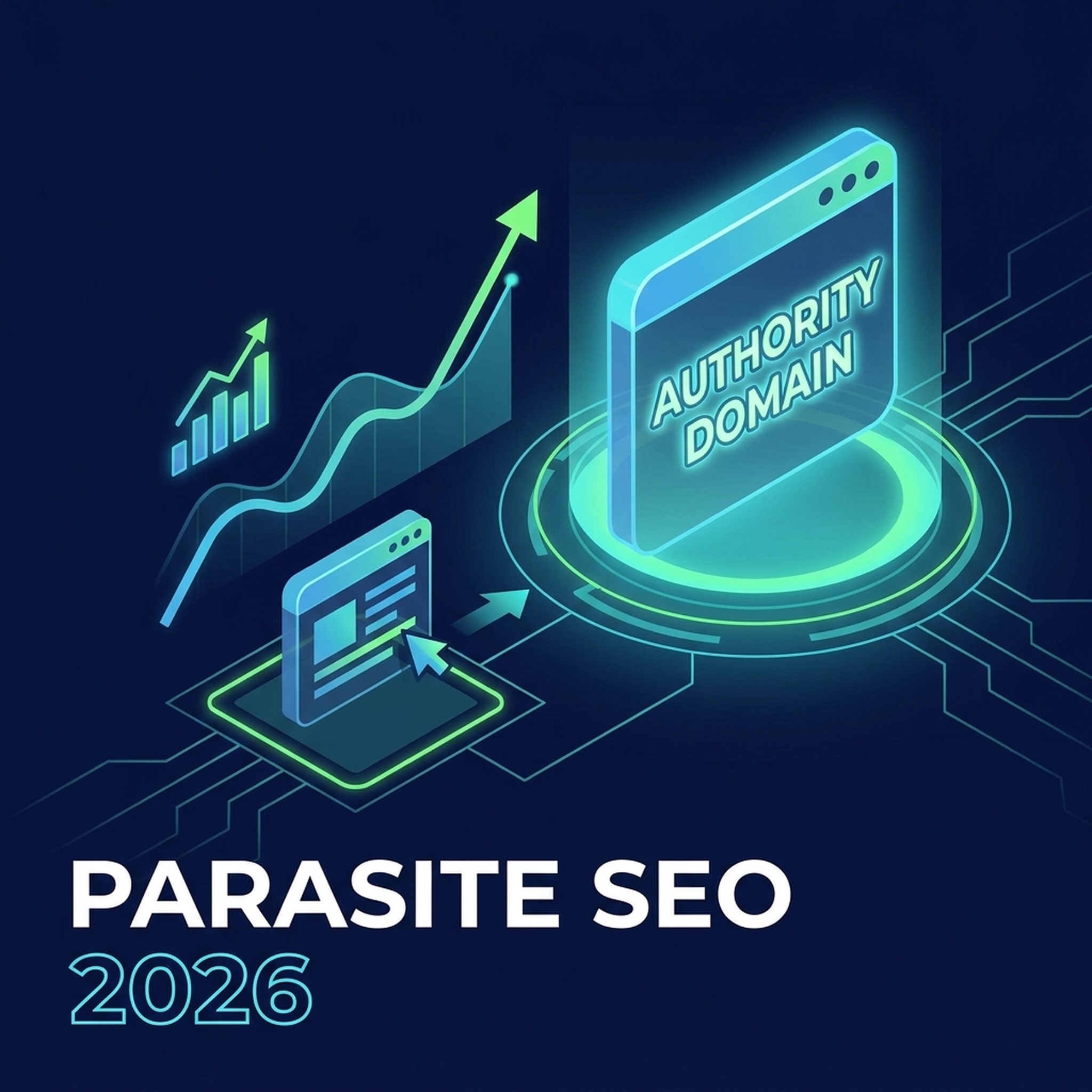
Parasite SEO is the practice of publishing content on high-authority third-party platforms — sites that already have strong domain ratings — so your content ranks faster than it would on your own domain. The "host" site lends its authority to your page, and you capture traffic that would otherwise take months or years to earn organically.
The term sounds shady, but the spectrum runs from completely white-hat to aggressively black-hat:
- White-hat: Publishing genuinely useful content on Medium, LinkedIn, or Reddit that happens to rank because the platform has authority.
- Gray-hat: Strategically choosing platforms and topics specifically to exploit their DR for ranking speed.
- Black-hat: Spamming low-value, promotional content across dozens of high-DR sites purely for quick rankings and link equity.
The 2.2M-visit Google Sites page falls somewhere in the gray zone. It works because Google Sites sits on Google's own domain infrastructure, inheriting significant trust signals. But replicating that result requires understanding why it ranked — not just copying the tactic.
Does Parasite SEO Still Work in 2026? The Evidence
The SEO community is split. Here's what the data actually says.
What changed: Google's Site Reputation Abuse policy
In mid-2024, Google began enforcing its Site Reputation Abuse policy, which targets third-party content published on high-authority domains primarily to manipulate rankings. The impact was real: many parasite pages that relied on host-domain authority alone saw significant ranking drops.
But the policy didn't kill parasite SEO — it killed lazy parasite SEO. Pages that provide genuine value, match user intent, and are topically relevant to the host platform continue to rank.
What still works: The 2026 platform leaderboard
Based on current SERP data and practitioner reports, here's where parasite SEO still generates measurable results in 2026:
Platform | Domain Rating | Best For | Risk Level |
|---|---|---|---|
92+ | Community Q&A, product reviews | Low (if authentic) | |
YouTube | 100 | Tutorials, product demos | Low |
91+ | B2B content, thought leadership | Low | |
Medium | 95+ | Long-form articles, how-tos | Medium |
Google Sites | 90+ (inherited) | Simple landing pages, local SEO | Medium |
Substack | 90+ | Newsletters, opinion content | Low |
Quora | 93+ | Q&A format, comparison queries | Medium |
The pattern is clear: platforms with active user engagement and editorial quality signals are safer bets than static page builders. Reddit and YouTube dominate because Google increasingly surfaces their content in SERPs and AI Overviews — not just because of domain authority, but because the content generates real engagement signals.
The Angle Nobody's Talking About: Parasite SEO for AI Search
Here's where it gets interesting. Every parasite SEO guide we found — from SUSO Digital to Junia.ai to BlackHatWorld threads — focuses exclusively on traditional Google rankings. None of them address whether parasite SEO works for AI search engines like ChatGPT, Perplexity, and Google AI Overviews.
This matters because AI search is where traffic is migrating. If your parasite content ranks on Google but never gets cited by AI engines, you're capturing a shrinking audience.
Does high-DR content get cited more by AI engines?
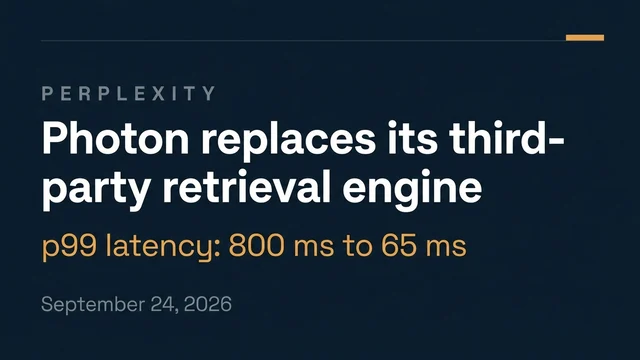
The early evidence says yes — but for different reasons than traditional SEO. AI search engines like Perplexity crawl the live web in real time and prioritize content that is:
- Structured for extraction: Clear headings, short paragraphs, definitive statements
- Citation-friendly: Contains quotable facts, statistics, and step-by-step instructions
- Already visible: Content that ranks well in traditional search is more likely to be crawled and indexed by AI engines
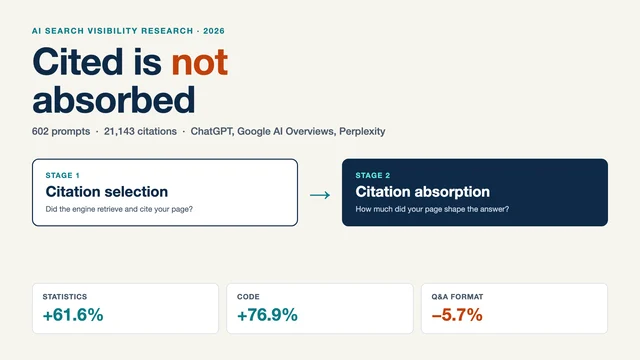
That third point is the key connection. Parasite SEO gets your content ranking fast on Google. Fast Google rankings lead to faster AI crawler discovery. Faster discovery means earlier citation in AI-generated answers. The parasite SEO funnel now has a second stage: Google ranking → AI crawl → AI citation.
How to structure parasite content for AI citation
If you're publishing on a high-DR platform specifically to capture AI search traffic, format your content differently than you would for traditional SEO:
- Lead with a direct answer in the first 100 words. AI engines extract the first relevant paragraph they find.
- Use question-based headings (H2/H3) that match how people actually ask AI assistants.
- Include specific numbers and statistics — AI engines prefer citing concrete data over vague claims.
- Keep sections under 200 words. Long blocks get truncated in AI responses.
- Add a comparison table or list whenever possible. Structured data is the easiest format for AI to extract and reformat.
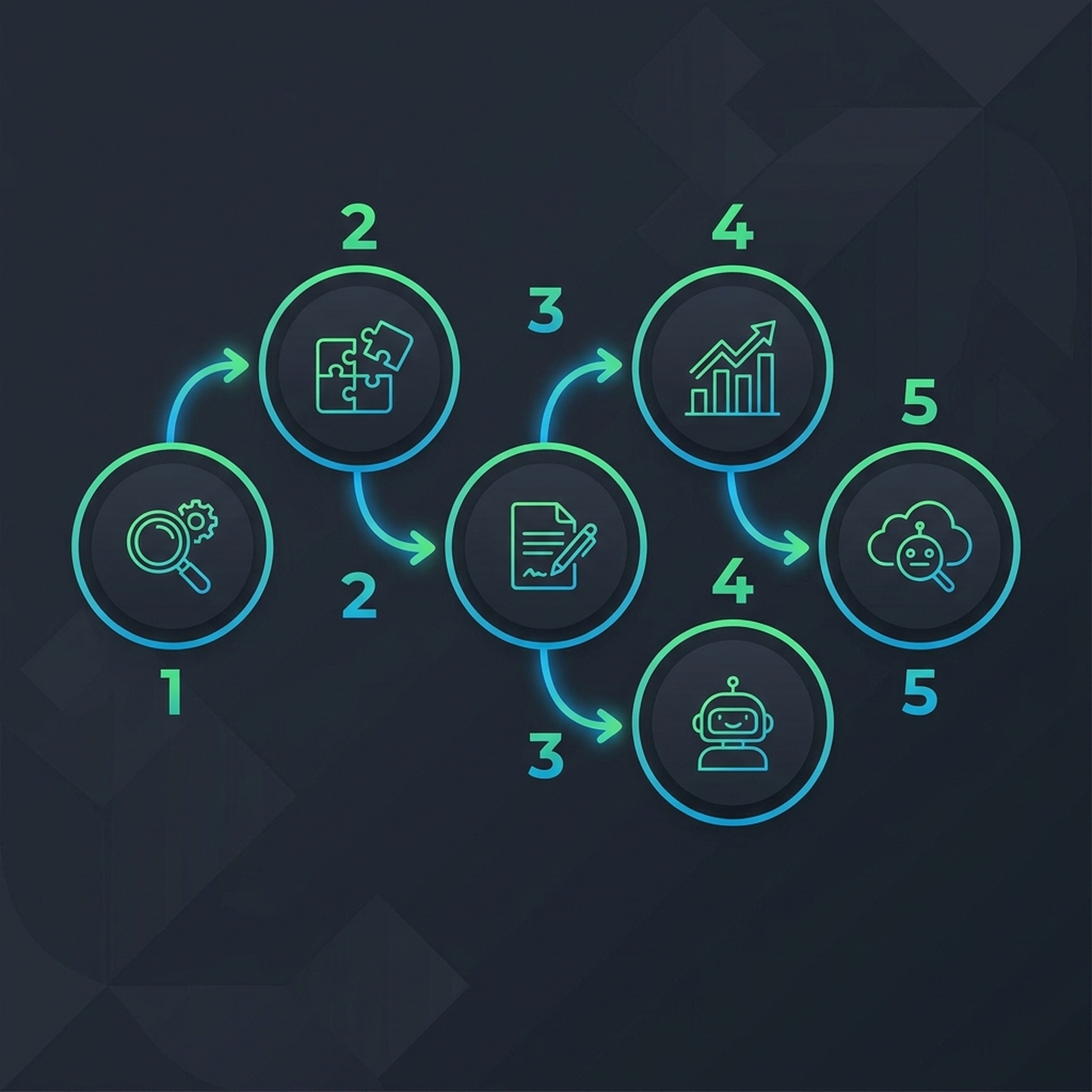
The 5-Step Parasite SEO Workflow for 2026
Here's a practical workflow you can execute this week, designed to capture both traditional and AI search traffic.
Step 1: Find the right keyword
Use a tool like Ahrefs, Semrush, or Google Search Console to identify keywords with:
- Search volume between 500–5,000 per month (high enough to matter, low enough to be winnable)
- SERP features that favor high-DR domains (featured snippets, AI Overviews, "People also ask")
- Current top results dominated by big domains (Reddit, Medium, Quora) — this signals that parasite SEO can compete
Step 2: Match the keyword to the right platform
Don't just publish everywhere. Match the keyword intent to the platform:
- Commercial/transactional queries → Medium or Substack (long-form reviews, comparisons)
- Q&A queries → Reddit or Quora (natural question-and-answer format)
- Tutorial queries → YouTube (video + description text)
- B2B/professional queries → LinkedIn Articles
- Local or simple landing page queries → Google Sites
Step 3: Create genuinely useful content
This is where most parasite SEO attempts fail in 2026. Google's quality algorithms are sophisticated enough to detect thin, promotional content on high-DR domains. Your content must:
- Provide real value to the host platform's audience
- Include original insights, data, or case examples
- Match the depth and quality of the host site's own content
Step 4: Build authority signals to your parasite page
A parasite page with zero external signals is just a page on a strong domain — it may rank, but it won't rank as fast. Add power:
- Link to the parasite page from your own site (contextual, not footer links)
- Share it on social media for engagement signals
- Build 2–3 backlinks from relevant niche sites to the parasite page
- Interlink between your parasite pages on different platforms
Step 5: Monitor both Google and AI search visibility
This is the step most guides skip. You need to track not just whether your parasite page ranks on Google, but whether AI engines are citing it. Run your target queries through ChatGPT, Perplexity, and Google AI Overviews weekly to check if your content appears in citations.
You can also use Auspia's GEO Checker to systematically measure your visibility across AI search engines — including how often your parasite pages get cited compared to your own domain. This tells you whether the parasite strategy is actually expanding your AI search footprint or just cannibalizing your existing presence.
Risks and How to Mitigate Them
Parasite SEO is not without risks. Here's what to watch for:
1. Platform policy changes. Medium, Reddit, and Quora have all tightened content policies. If your content gets flagged as promotional, it can be removed without warning. Mitigation: Diversify across 3+ platforms and keep copies of your content.
2. Google algorithm updates. The Site Reputation Abuse policy could expand. Pages that work today may not work tomorrow. Mitigation: Focus on content quality over platform exploitation. If your page would rank even without the domain authority boost, you're in a safe position.
3. No control over the platform. You don't own the domain. A platform redesign, policy shift, or shutdown can wipe out your traffic overnight. Mitigation: Use parasite SEO as a traffic acceleration strategy, not a permanent foundation. Always funnel traffic back to your own domain.
4. Cannibalizing your own rankings. If your parasite page outranks your own site for the same keyword, you've created a competitor. Mitigation: Target different keyword variations on parasite platforms than you do on your own site.
The Bottom Line
Parasite SEO in 2026 is not the Wild West it was five years ago. The 2.2M-visit Google Sites page proves it can still work — but that kind of result requires the right keyword, the right platform, genuinely useful content, and consistent monitoring across both traditional and AI search.
The biggest opportunity right now isn't in replicating old tactics. It's in extending parasite SEO to capture AI search citations — a space where almost no one is competing yet. The platforms are indexed by AI crawlers, the content structure is easy to optimize for extraction, and the early movers will build citation momentum before the space gets crowded.
If you're running parasite SEO campaigns and want to track whether your content is showing up in AI-generated answers, run a free GEO audit with Auspia to see your current AI search visibility across ChatGPT, Perplexity, Google AI Overviews, and more.
This article is part of Auspia's ongoing coverage of SEO, GEO, and AI search optimization strategies. For more practical playbooks on growing traffic in the AI search era, explore our [GEO Checker](https://auspia.ai/geo-checker) and [SEO Score Checker](https://auspia.ai/seo-score-checker) tools.