

OpenAI Tests AI-Generated Headlines Above ChatGPT Ads
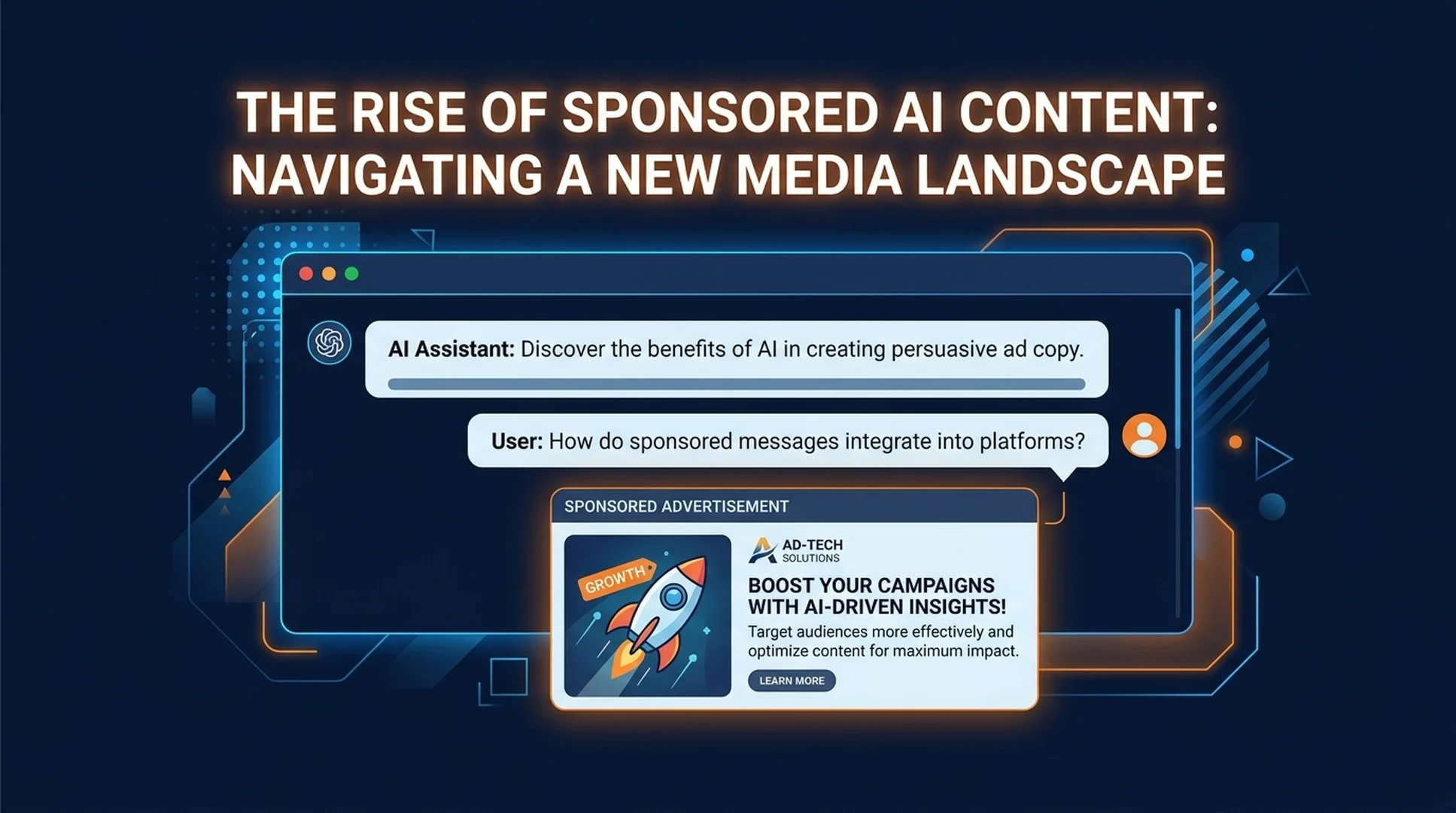
OpenAI is testing a new ad format in ChatGPT that places AI-generated descriptive headings directly above sponsored content in the chatbot's responses. Researcher Bordie Clark spotted the change this week. It is the latest in a series of moves by OpenAI to weave advertising into conversational AI without breaking the illusion of a helpful assistant.
The details
The new format shows a text heading generated by OpenAI's language models sitting above the ad unit itself. According to Clark, who documented the test on X, the heading provides context about the sponsored content before users see the actual advertisement.
"ChatGPT is testing out a new ad display within its results, showing a descriptive heading that appears directly above the ad," Clark wrote.
The move comes seven months after OpenAI began its advertising pilot in February 2026. That rollout started with shopping-related sponsored links placed in a separate section at the bottom of chat conversations. Brands including Target, Audible, and Adobe participated in the initial pilot, according to reporting from The Verge. Before that, OpenAI had experimented with app promotions in late 2025 but pulled them back after users complained.
OpenAI has positioned its advertising as distinct from the chatbot's core responses. The company stated that ads would not influence the answers users receive, which remain "optimized based on what's most helpful to you." Users under 18 do not see ads, and they do not appear near sensitive or regulated topics related to health or politics. Advertising is limited to free-tier users and those on the $8-per-month ChatGPT Go plan. Subscribers to Plus ($20/month), Pro ($200/month), and Enterprise plans do not see ads.
The pricing tells a story about OpenAI's ambitions. The company reportedly asked around $60 per 1,000 ad impressions during the pilot phase, roughly triple what advertisers typically pay on Meta's platforms. That premium reflects ChatGPT's rapid growth. The chatbot surpassed 1 billion users earlier this month, according to The Verge, giving OpenAI leverage to command rates closer to search advertising than social media display pricing.
The AI-generated heading test mirrors a similar experiment at Google. Google has been testing AI-written headlines for its search ads, though the reaction from advertisers has been mixed. Advertisers generally prefer to write their own ad copy rather than have algorithms generate it on their behalf. The concern is that AI-generated text might not capture brand voice or specific selling points the way a human copywriter would. Whether OpenAI's approach will face the same resistance depends on how much control advertisers get over the contextual framing that appears above their sponsored content. In ChatGPT's case, the headings are not replacing ad copy but adding a layer of AI-written context on top of it, which may be a less contentious proposition.
The testing also arrives amid growing regulatory scrutiny. In January, Senator Ed Markey (D-MA) pressed OpenAI about what he called "deceptive advertising" in ChatGPT, raising questions about how clearly users can distinguish between AI-generated answers and paid promotions.
Why this matters for SEO and AI visibility
The addition of AI-generated headings above ads shows OpenAI is building an advertising layer that blends deeper into conversational context. For teams working in generative engine optimization, this complicates things. If AI models are writing contextual framing around both organic recommendations and paid placements, users will have a harder time telling earned visibility from purchased visibility.
Brands optimizing for ChatGPT mentions now face a situation where their organic presence in AI answers shares space with sponsored content that the AI itself is narrating. The question is no longer just "how do we get mentioned" but "how do we stay distinctive when the AI is writing context around both us and our competitors' ads." For GEO practitioners, this means that earning a mention is only half the battle. The other half is ensuring that the AI's framing of your brand remains recognizable when surrounded by AI-generated ad scaffolding.
What to watch next
OpenAI has not announced a timeline for expanding the AI-heading ad format beyond its current test group. The big questions: Will advertisers get any control over the generated headings? How will the format affect user trust in ChatGPT's recommendations? And will competing AI platforms like Google's AI Mode or Anthropic's Claude adopt similar contextual ad framing?
Pricing is worth tracking too. If OpenAI holds its premium rates while showing advertisers measurable conversion lift from conversational placements, it could push ad costs higher across the entire AI search space.
Sources
- Bordie Clark, observation posted on X, August 2026
- The Verge, "Ads are coming soon to ChatGPT, starting with shopping links," January 17, 2026
- The Verge, "Here are the brands bringing ads to ChatGPT," February 12, 2026
- The Verge, "OpenAI is working out how much to charge for ChatGPT ads," January 27, 2026
- The Verge, "ChatGPT and Gemini both just passed 1 billion users," August 12, 2026