Meta Confirms Web Indexing for AI Search as Crawling Activity Surges
Meta Platforms is building a web index to power its AI search capabilities, according to the company's own developer documentation and reports from website operators who have observed aggressive crawling from Meta's bots in recent weeks. The disclosure adds a new competitor to the search engine landscape, one focused not on traditional keyword search but on feeding AI-generated answers across Meta's family of apps.
The details
On August 6, 2026, Pieter Levels, a developer known for building independent internet products, posted on X that Meta staff had privately told him the company was building its own search engine. "Meta is ALLEGEDLY building their own Google search engine, so that if their AI does a web search it doesn't end up at Google, as Google could then use it for THEIR training," Levels wrote, adding that he was sharing the information with the Meta employees' permission.
Levels followed up the next day, reporting that Meta's crawling had intensified across his websites. "Meta is doing heavy heavy heavy scraping on all my sites this week too (and seemingly everyone else's sites now)," he wrote. "So much so that I got load average alerts for it today on one VPS." The post received over 6,900 likes and 315 replies, suggesting broader concern among website operators about Meta's crawling volume.
Meta's own developer documentation, last updated on May 21, 2026, confirms the company operates multiple purpose-built web crawlers. The most relevant for search is Meta-WebIndexer, which Meta describes as a crawler that "navigates the web to improve Meta AI search result quality for users." The documentation states that the crawler "analyzes online content to enhance the relevance and accuracy of Meta AI" and that "allowing Meta-WebIndexer in your robots.txt file helps us cite and link to your content in Meta AI's responses."
The user agent string for this crawler is meta-webindexer/1.1, according to the documentation.
Meta also documents three additional external crawlers. Meta-ExternalAgent "crawls the web for use cases such as training foundation AI models or improving products by indexing content directly." Meta-ExternalFetcher "fetches individual links at a user's request and supports product functions such as evaluating and improving agentic AI capabilities," including helping AI navigate websites to complete tasks. Meta-ExternalAds handles advertising-related crawling. The documentation notes that Meta-ExternalFetcher may bypass robots.txt rules because it performs user-requested fetches, and that FacebookExternalHit, the original link-preview crawler, may also bypass robots.txt for security checks.
The documentation represents the clearest acknowledgment yet from Meta that it is building a web index specifically for AI search. While Google has spent decades refining its web index for traditional search results, Meta's effort is oriented toward generative AI, where crawled content feeds into AI models that produce synthesized answers rather than ranked link lists.
Facebook's ambitions in search are not new. The company explored building a search service for over a decade and previously partnered with Bing to power web search within Facebook, only to end that arrangement a few years later. The current effort differs in that it is driven by AI requirements rather than traditional search. Companies building AI assistants increasingly need their own web indexes to avoid dependence on competitors. Relying on Google's index for web search would mean feeding usage data back to a rival that could leverage it for its own AI training, as Levels noted in his post.
Meta has not publicly announced a standalone search product. The company did not respond to requests for comment by publication time.
Why this matters for SEO and AI visibility
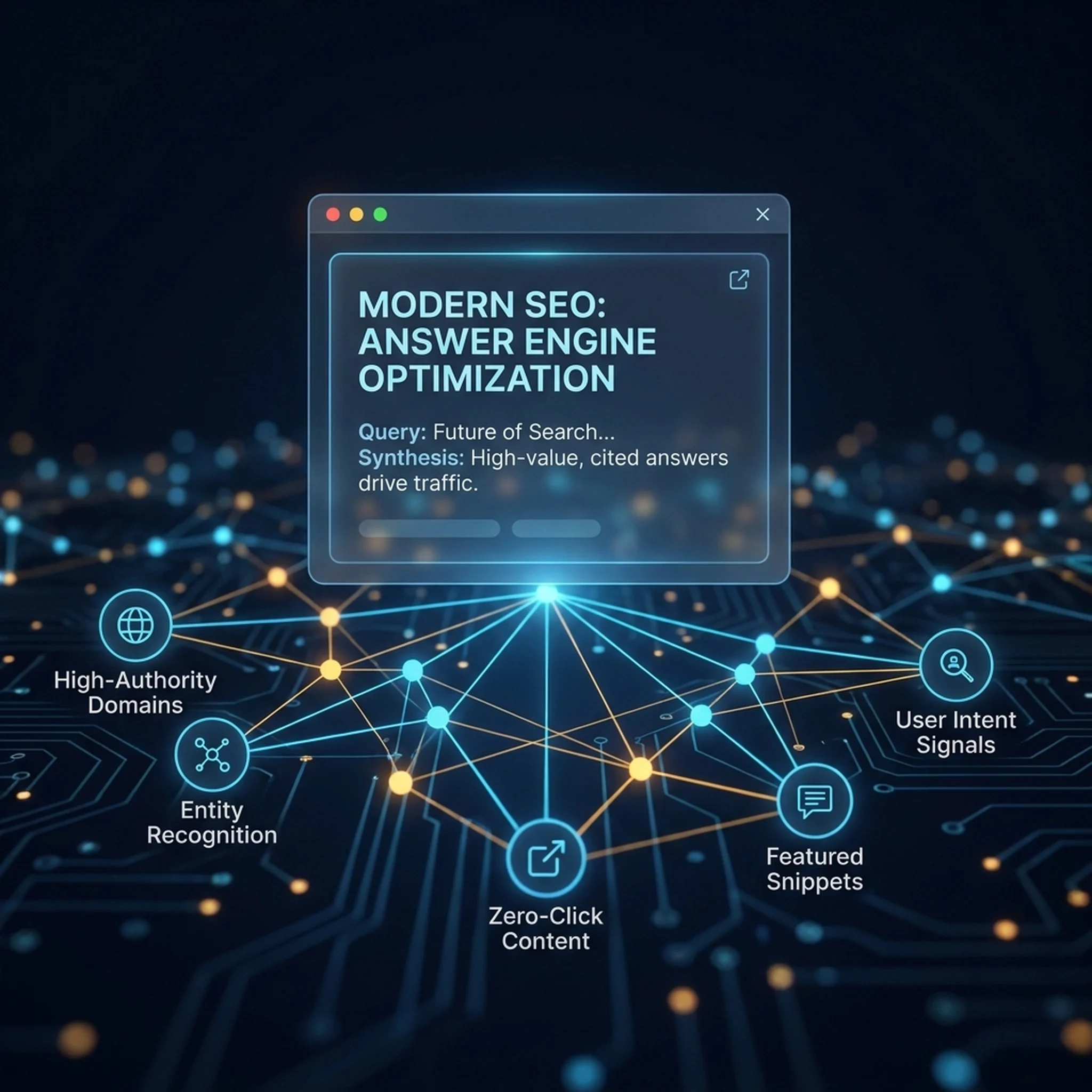
Meta's web indexing effort introduces a new crawlers-and-index ecosystem that SEO and GEO teams need to account for. The Meta-WebIndexer bot is specifically designed to feed content into AI-generated answers within Meta AI, meaning websites that block it via robots.txt will not appear as cited sources in Meta AI responses. This creates a direct optimization decision: allow the crawler and gain visibility in Meta AI's answers, or block it and accept invisibility on that platform.
The emergence of Meta-WebIndexer also signals further fragmentation of the search landscape. SEO teams already manage optimization for Google's AI Overviews, Bing's Copilot, Perplexity, and ChatGPT search. Adding Meta AI to that list means more crawlers to monitor in server logs, more robots.txt decisions to make, and potentially more content formatting considerations as each AI system may parse and cite web content differently. The fact that Meta-ExternalFetcher can bypass robots.txt adds complexity to crawl management, as sites cannot fully control which content Meta's AI agents access.
What to watch next
Meta has not announced a timeline for when Meta AI search might become generally available or how prominently web-sourced citations will appear in its responses. Website operators who want to monitor Meta's crawling activity can check server logs for the user agent strings documented on Meta's developer page. The key question for the SEO industry is whether Meta will eventually launch a consumer-facing search interface, or whether its web index will remain exclusively an input for AI features embedded within Facebook, Instagram, WhatsApp, and Threads.
Meta's next earnings call and developer conferences may provide more clarity on the scope of its search and AI ambitions. In the meantime, the documented existence of Meta-WebIndexer confirms that the company is no longer just experimenting with web crawling for link previews. It is building infrastructure for AI-driven search at scale.
Sources
- Pieter Levels, X post, August 6-7, 2026: https://x.com/levelsio/status/2085467097405247945
- Meta Web Crawlers documentation, updated May 21, 2026: https://developers.facebook.com/docs/sharing/webmasters/crawler