AI is changing the workflow and the result page at the same time
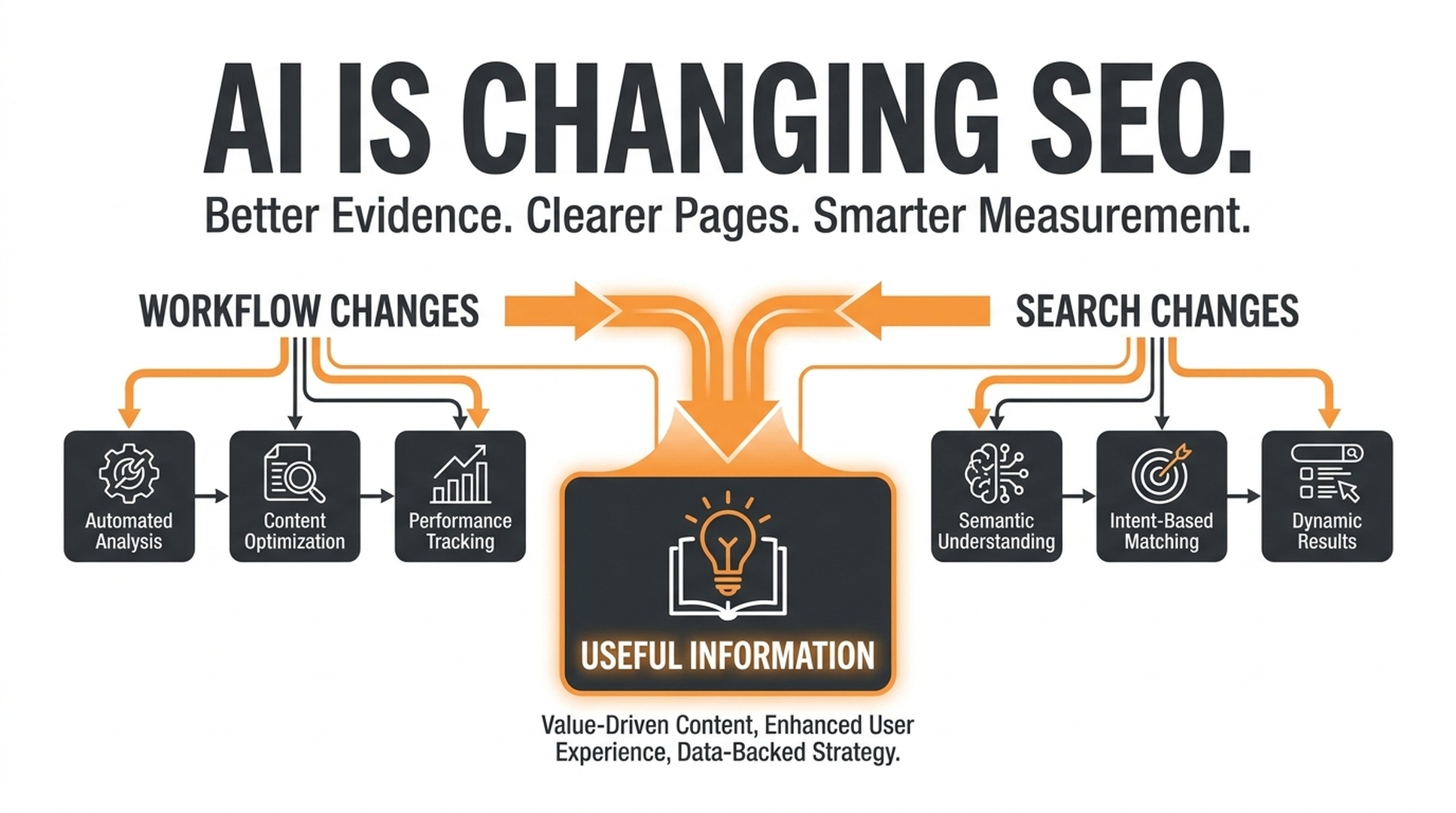
AI is changing SEO in two connected ways. Inside companies, it makes research, clustering, drafting, analysis, and reporting faster. Inside search products, it can change how people discover information through summaries, conversational follow-ups, answer features, and multimodal queries.
The durable objective has not changed: create pages that are accessible, accurate, useful, and easy for the right audience to find. What is changing is the path between the question and the visit. Teams that respond by generating more generic content will likely create more competition for themselves. Teams that improve their evidence, structure, technical foundations, and measurement will be better positioned for both conventional and answer-oriented search.
Five changes worth taking seriously
Search research is becoming a faster synthesis task
AI can process query exports, customer interviews, reviews, documentation, and competitor pages into a working topic map quickly. That reduces the time spent sorting information. It does not remove the need to choose a market, define a buyer, or decide what the business can credibly say.
Content production is becoming easier to imitate
The cost of a passable first draft has fallen. This makes generic explainers, weak listicles, and lightly rewritten competitor pages less defensible. Original examples, operational detail, firsthand evidence, clear comparisons, and actual tools or data become more valuable because they are harder to reproduce from public text alone.
Search results can answer more before the click
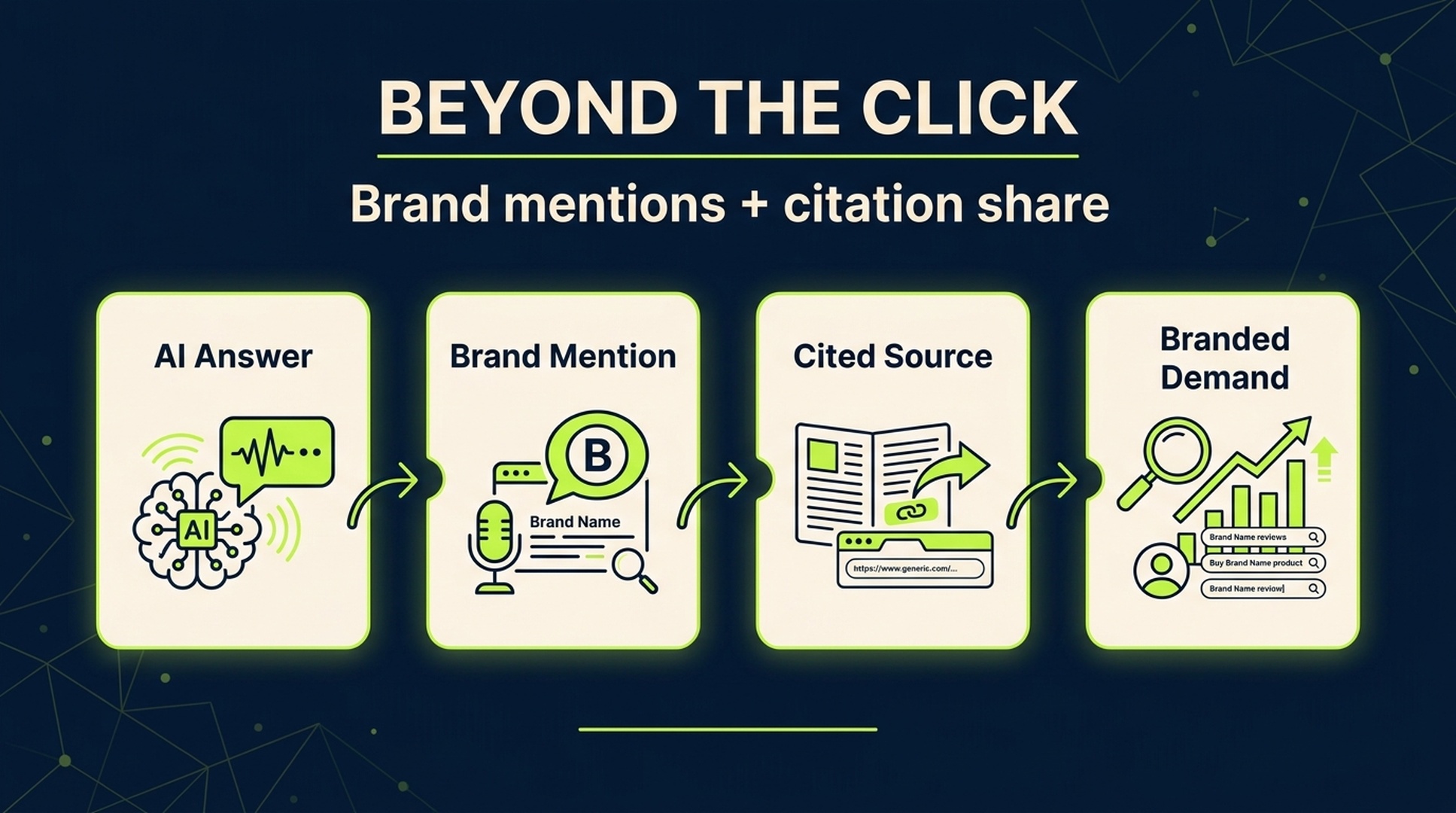
Answer features and AI interfaces can satisfy simple questions directly, while also creating follow-up questions that lead to deeper research. The implication is not "traffic is over." It is that every page needs a clearer role. Quick-answer pages should earn trust and support the next question. Decision-stage pages need enough depth, proof, and specificity to be worth visiting.
Technical clarity becomes more visible
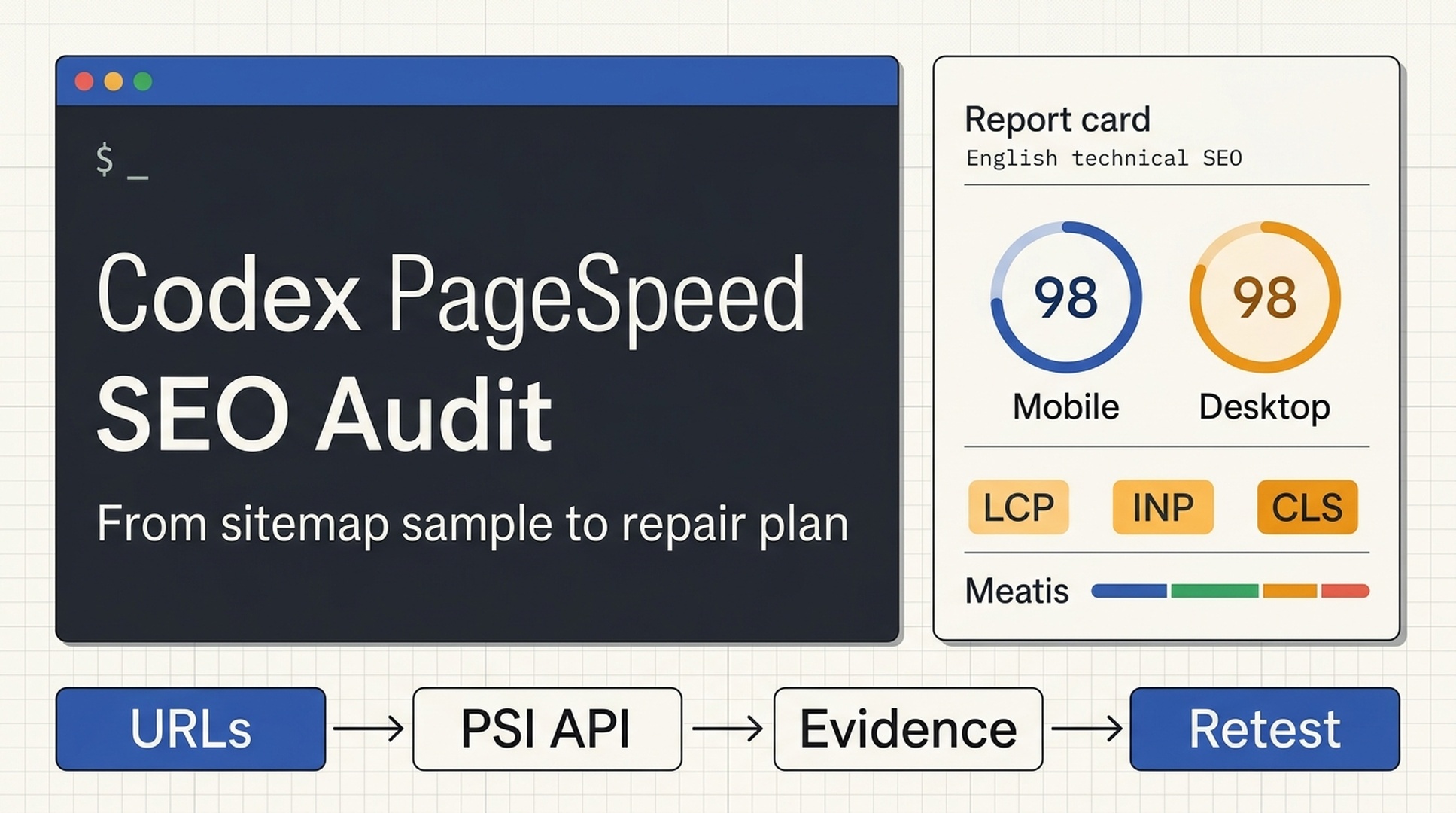
Systems still need to access, render, and understand a page. Clear site architecture, accurate metadata, consistent entity details, descriptive headings, useful internal links, and structured data where appropriate help reduce ambiguity. None are magic ranking factors. Together, they make good information easier to find and interpret.
Measurement needs more than a rank chart
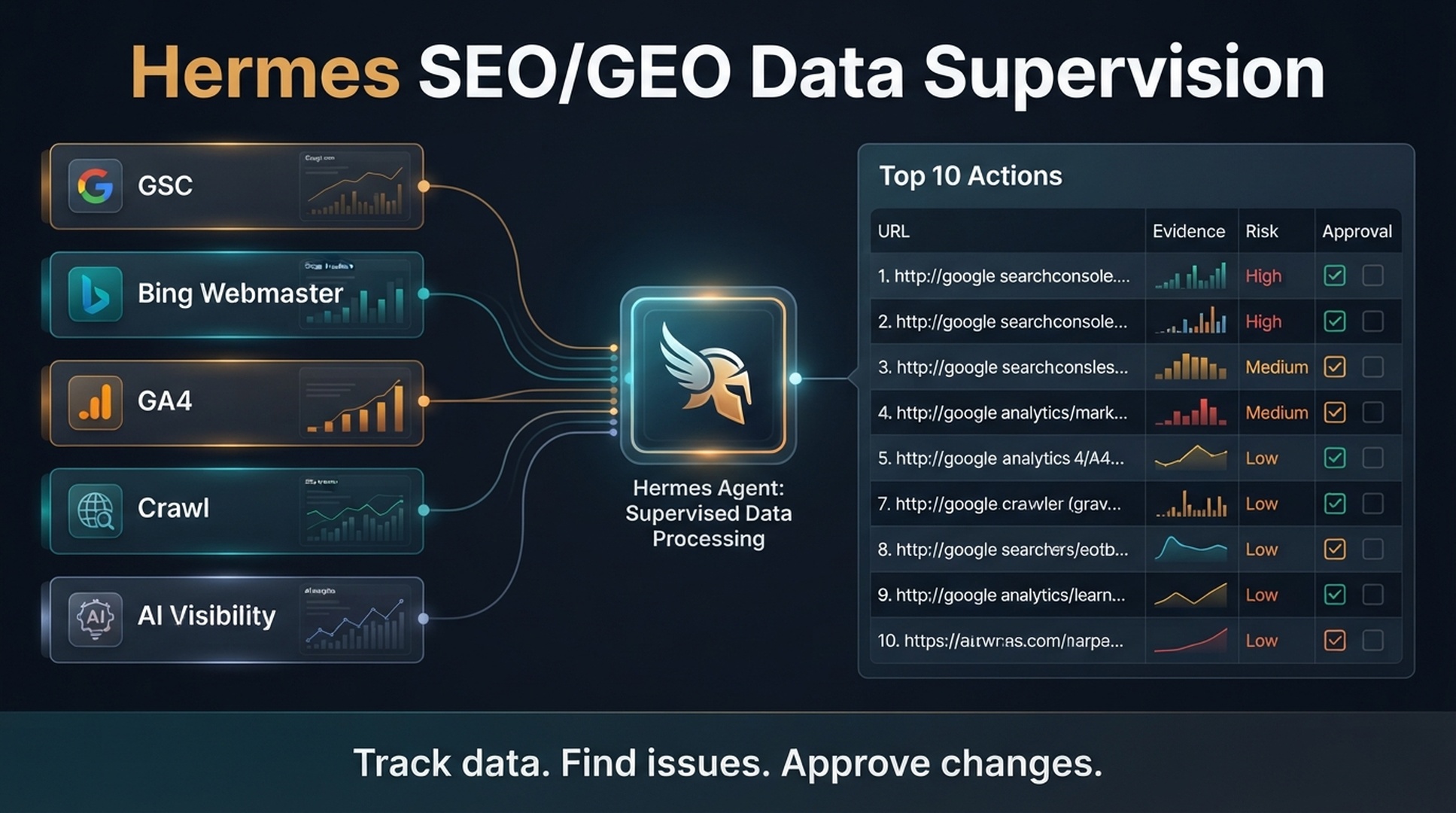
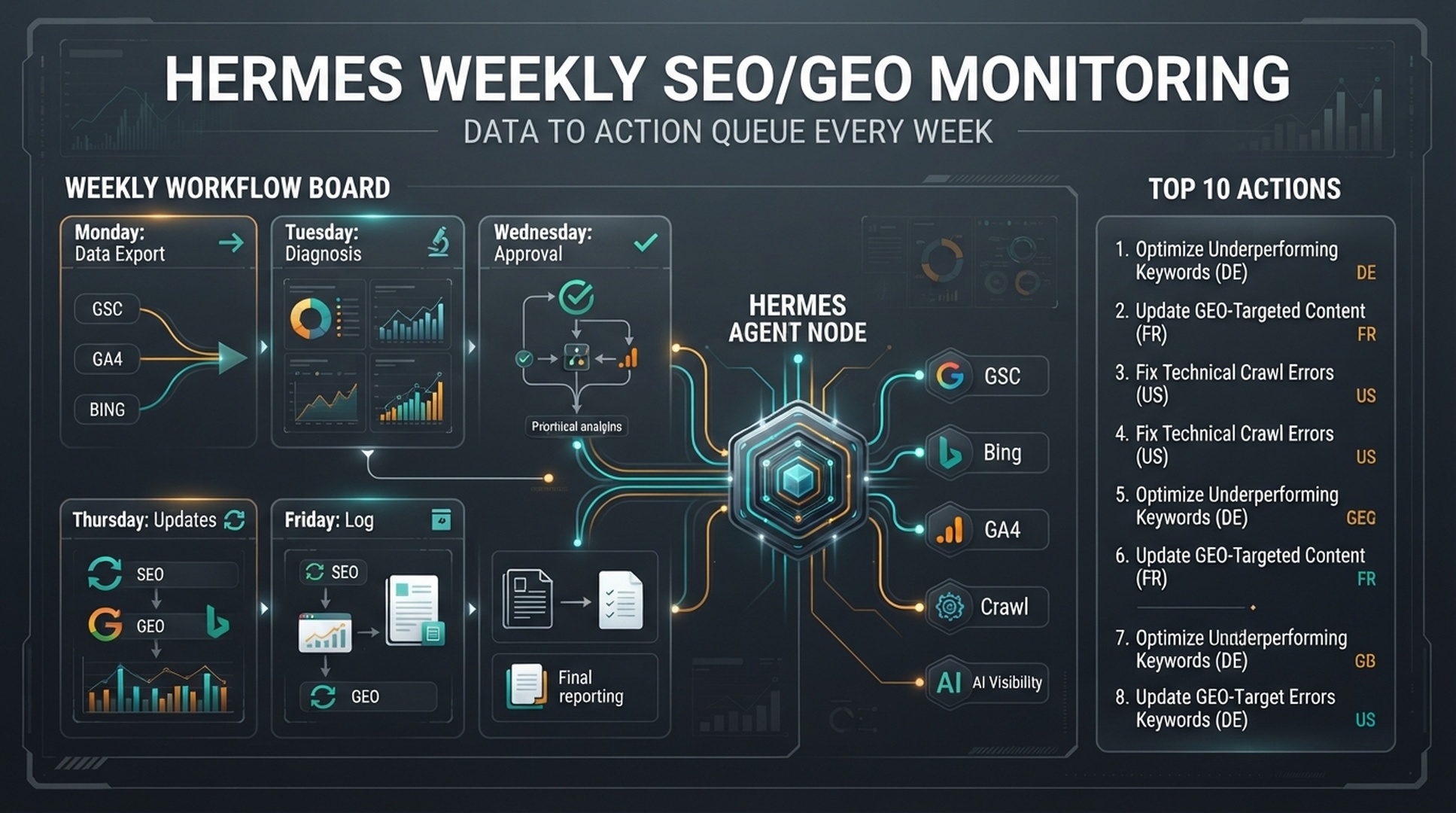
Traditional rank tracking, Search Console, analytics, and conversion data remain essential. Teams adding AI-search measurement should define the prompts that matter, record repeated observations, capture sources where possible, and distinguish mentions from citations and referrals. Do not compress all of that into one invented visibility number.
What does not change
Google's stated guidance remains a useful anchor: create helpful, reliable, people-first content. The production method is not the core test. A page created with AI can be useful; a page written entirely by humans can still be thin, repetitive, or misleading.
The basics remain surprisingly stubborn:
| Durable SEO practice | Why it still matters in AI-heavy search |
|---|---|
| Know the audience and their task | Systems cannot compensate for a page aimed at nobody |
| Use credible, current evidence | Unsupported claims are weak for readers and answer systems |
| Make pages crawlable and well-linked | Information cannot help if it is inaccessible or disconnected |
| Explain decisions clearly | Extractable, specific writing is easier to use and trust |
| Track outcomes, not output volume | Publishing speed is not growth |
The risk of confusing AI optimization with content automation
"AI SEO" can describe several different things: using a model to draft articles, improving pages for AI answer systems, measuring brand visibility in AI search, or automating repetitive SEO work. They are related, but they are not interchangeable.
Writing 100 AI-assisted posts is content automation. Making a product comparison clear enough to answer a buyer's question is SEO. Checking whether a brand is visible for a chosen prompt set is AI-search measurement. Treating them as one initiative creates vague goals and impossible reports.
A practical preparation plan
Start with the pages that already matter. Audit the top landing pages for accuracy, source quality, technical access, clear summaries, internal links, and the questions customers ask before converting. Improve those pages before expanding the content calendar.
Then create a controlled content workflow. Use AI to organize research and prepare drafts, but require facts, sources, expert review, and a reason each new page is distinct. Record what changed and what you expect to see afterward.
Finally, decide whether AI-search visibility deserves a formal measurement practice. If it does, define a small prompt library around real buyer decisions. Auspia's AI Search Visibility Checker can help establish and repeat those checks. The goal is not to chase every generated answer. It is to understand where useful brand evidence is absent, present, or misrepresented.
The future is less about tricks and more about information quality
There will be new interfaces, new features, and new tools. The sites that endure will be the ones that can explain a topic better than a generic synthesis, support claims with real evidence, update information when it changes, and make their content technically available. AI makes that standard easier to test and harder to fake.
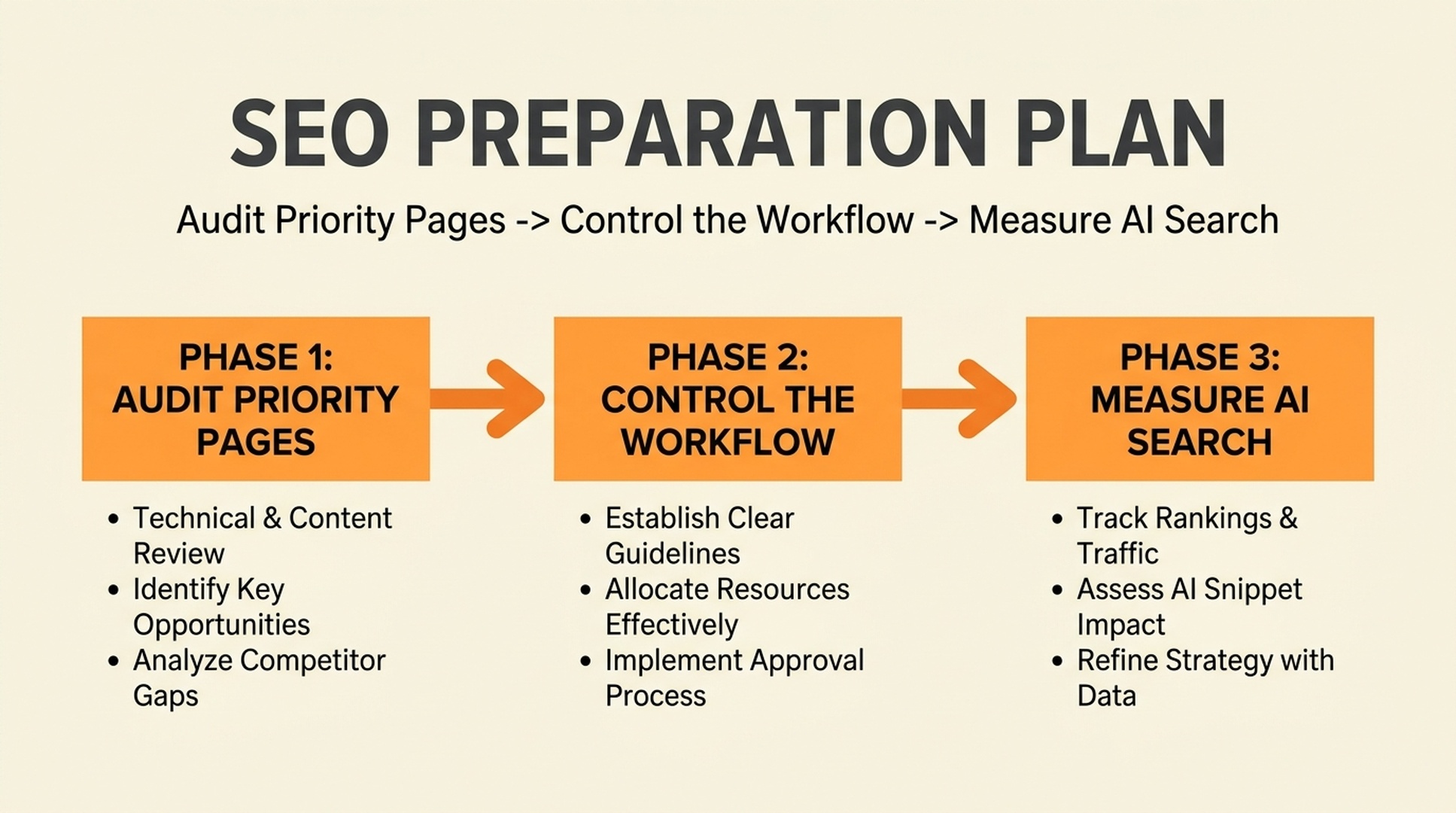
Three-phase SEO preparation roadmap for AI-driven search changes
FAQ
Will AI replace SEO?
No. AI changes how SEO research and content operations work, and it changes some search experiences. The underlying work of understanding users, publishing useful information, and maintaining a technically sound site remains.
Does optimizing for AI search mean ignoring Google Search?
No. Conventional SEO foundations such as crawlability, content quality, and user intent support both. AI-search measurement should add context, not create a separate, disconnected program.
Should companies publish more content because AI makes it cheaper?
Only if each page adds a distinct, useful answer. Lower production cost is not a reason to increase low-value or overlapping content.
What is the most credible source for Google’s position on AI content?
See Google Search Central's guidance on using generative AI content on your website and its people-first content guidance .
Author: Adrian Cole, Analyst of 1,000+ AI Search Results at Auspia. Adrian writes about how brands appear in answer-oriented search experiences and the practical foundations behind that visibility.