What Is Hermes AI? AI Skills Marketplace Guide
AI agents used to be simple chatbots. Today, tools like Hermes AI can write their own skills, remember your projects across sessions, and improve themselves the longer you use them. That shift is also reshaping how millions of people search for information — and which AI platforms are worth your time.
This guide explains what Hermes AI actually is, how the AI skills market works, and what it means for users who want smarter, more customized AI workflows in 2026.
What Is Hermes AI?
Hermes AI (also called Hermes Agent) is an open-source, self-improving AI agent developed by Nous Research. Unlike a standard chatbot that resets after every conversation, Hermes is designed to run persistently — it remembers your projects, builds reusable skills from past work, and reaches you across platforms like Telegram, Discord, and your terminal.
The defining feature is its built-in learning loop. Most AI coding assistants forget everything between sessions. You spend an afternoon explaining your codebase, your naming conventions, your deployment flow — and the next morning it has no memory of any of it. Hermes flips that assumption. Every task it completes can be stored as a skill: a reusable set of instructions it can apply the next time a similar task comes up.
Key capabilities of Hermes AI include:
- Persistent memory — stores context across sessions so you don't repeat yourself
- Automatic skill creation — saves successful task patterns as reusable skills
- Self-improvement loop — skills are refined each time they're used
- Multi-platform reach — runs in your terminal, on messaging apps, and in IDEs
- Model-agnostic — works with Claude, GPT-4, and other LLM backends
- Open-source and self-hostable — MIT license, no tracking
Hermes Agent was built by Nous Research, the same team behind the Hermes series of open-source language models. It's part of a broader category of "agentic" tools — AI that doesn't just answer questions but plans and executes multi-step tasks autonomously.
How the AI Skills Market Works
The concept of an AI skills marketplace refers to ecosystems where developers can build, publish, and install modular capabilities — called "skills" — into AI agents. Think of it like an app store, but for agent behaviors.
Claude Skills and the MCP Explosion
The most prominent example right now is the Claude Skills ecosystem built around Anthropic's Claude and the Model Context Protocol (MCP). In early 2025, there were roughly 1,000 active MCP servers. By mid-2026 that number has grown past 10,000 — and the Claude Skills community has scaled from a few official examples to over a million community contributions.
Skills in this context are reusable packages of instructions, scripts, and resources that an AI agent loads on demand. A skill might teach Claude how to generate a professional presentation, query a database, or follow your company's specific code review process. Once installed, you never have to explain that workflow again.
This is what Hermes AI does natively — and why it resonated with developers. It automates the skill-creation process: you complete a task, and Hermes decides whether to save the pattern for future use. Agents with 20 or more self-created skills reportedly complete similar tasks 40% faster than fresh instances, according to Nous Research's own performance claims.
Why the Skills Market Matters for Search
The AI skills market has a direct effect on how people search for information. When your AI agent has a persistent memory of your research preferences, language settings, and past queries, it can surface better answers faster — without you having to re-state your context every time.
This is especially relevant for:
- Researchers who repeatedly query the same topic clusters across multiple sessions
- Multilingual users who need agents that remember their preferred output language
- Teams that want consistent AI behavior across different members and tools
- Developers who run agents on top of search APIs or knowledge bases
The result is a category of AI search that feels genuinely personalized — not because it's been tuned with a few settings, but because it has accumulated knowledge about how you work.
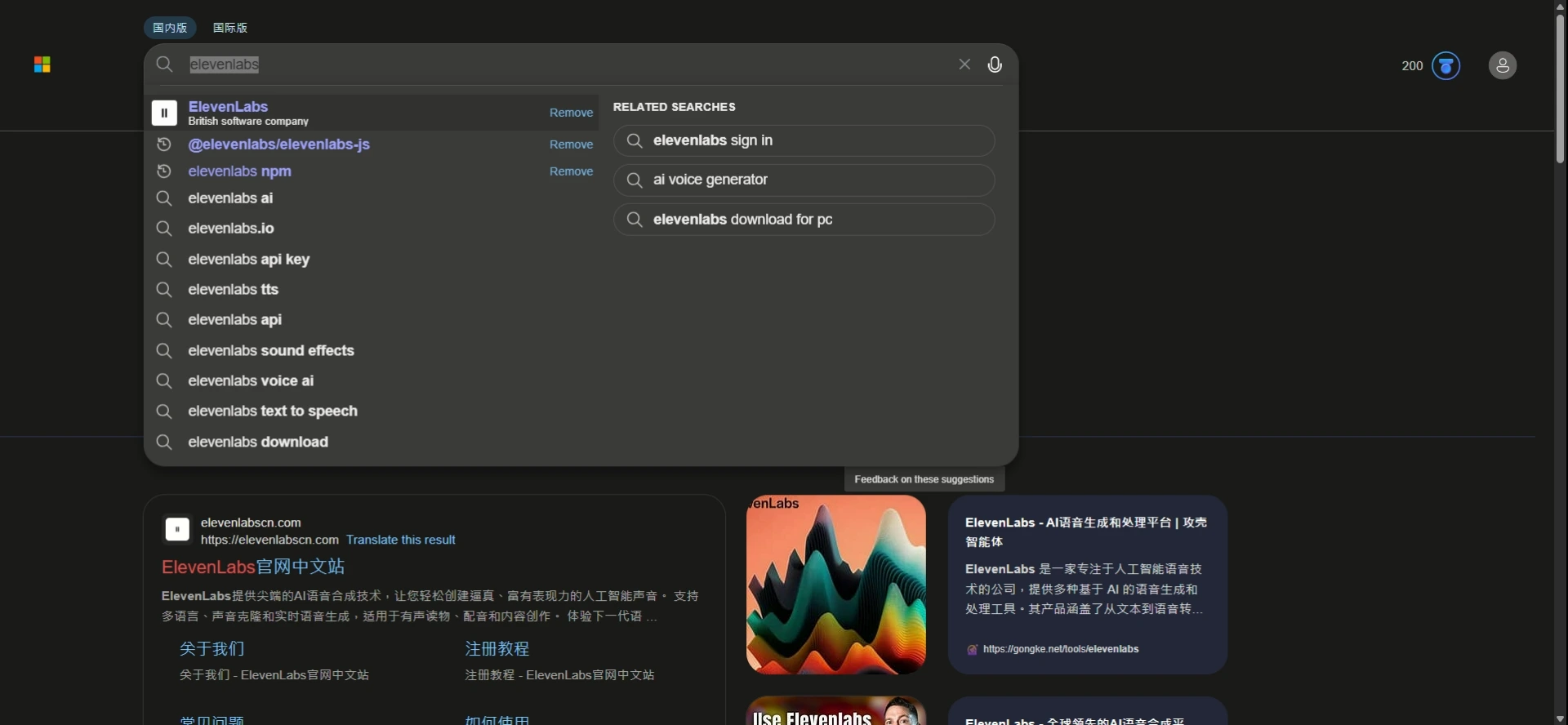
Felo, for instance, takes a similar philosophy to its multilingual search platform. Felo's Search Agents can run multi-step research autonomously, synthesize findings across 19+ languages, and generate reports, presentations, or mind maps from a single query — without users having to manually chain together tools. It's a different implementation of the same core idea: AI that builds context and delivers more with each interaction.
The growth of the ai skills marketplace is directly tied to this dynamic: as agents get better at retaining context and learning from use, the demand for installable, shareable skills compounds. Each new skill installed makes the agent more useful — which in turn makes the marketplace more valuable.
Hermes AI Agent vs. Other AI Skills Platforms
Understanding where Hermes fits means comparing it against the other major players in the AI agent and skills ecosystem.
Hermes AI vs. Claude Code
Claude Code (Anthropic) is a terminal-based AI coding agent with its own skills system. It's more tightly integrated with Anthropic's model stack and focused on software development workflows. Hermes is model-agnostic and has a stronger emphasis on long-running autonomous operation and self-improvement. If you want the best Claude-specific integration, Claude Code wins; if you want an agent that works across any LLM and builds its own skills library over time, Hermes is the more flexible choice.
Hermes AI vs. OpenClaw
OpenClaw is the most direct competitor. Community analysis of over 1,300 Reddit comments comparing the two tools found no clear winner — both have genuine strengths and real limitations. Hermes has the edge on persistent memory and skill portability. OpenClaw tends to have a more polished out-of-the-box experience for specific use cases. The biggest pain point for both tools, according to that community analysis, is the entire category of stateless AI — which both are trying to solve.
The ai skills marketplace landscape in 2026
Beyond these specific tools, a broader skills marketplace (skills.sh and similar platforms) has emerged with tens of thousands of community-contributed skills. One analysis of 40,000+ marketplace skills found explosive growth alongside real quality concerns — redundant skills, inconsistent documentation, and security gaps in some community contributions. That's a maturing market signal: the ecosystem is growing faster than its quality controls.
Practical Use Cases for Hermes AI Agent Skills
Here is what Hermes AI is actually being used for by practitioners in 2026:
1. Codebase onboarding automation
Developers save their entire project context — naming conventions, architecture decisions, deployment flows — as Hermes skills. New sessions pick up exactly where they left off, eliminating the "re-explain your stack" tax.
2. Research automation with persistent context
Researchers run multi-step queries across sessions. Hermes remembers which sources were valuable, which queries produced noise, and which formats the researcher prefers for outputs.
3. Scheduled background tasks
Hermes includes a cron scheduler that fires tasks while you're offline. Common automations include daily digest generation, repository monitoring, and recurring report creation.
4. Cross-platform AI workflow
Because Hermes runs on Telegram, Discord, and the terminal simultaneously, teams can trigger agent tasks from whichever platform they're already using — without switching contexts.
For teams with multilingual search needs, tools like Felo complement this kind of agent-driven workflow: Felo's Search Agents handle the deep research leg across language barriers, while Hermes-style agents manage the workflow orchestration and output formatting. The ai skills marketplace model means you don't have to choose a single tool — you can layer specialized agents and skills to cover each step of your workflow.
FAQ: Common Questions About Hermes AI
Is Hermes AI free?
Yes. Hermes Agent is open-source under the MIT license and self-hostable at no cost. You do pay for whichever LLM API you connect to it (Claude, GPT-4, etc.) based on that provider's pricing. There is also a hosted desktop app with a paid tier for users who don't want to self-host.
Who is behind Hermes AI?
Hermes Agent is built by Nous Research, an AI research organization known for its open-source Hermes series of language models. The agent project is separate from but related to those models.
How do I use Hermes AI?
The quickest path is the desktop app at hermes-ai.net. For self-hosting, clone the GitHub repository (github.com/NousResearch/hermes-agent) and follow the setup guide. You'll need an API key for at least one LLM provider.
What are claude skills?
Claude Skills are reusable capability packages built for Claude-based agents. They follow a standard format (SKILL.md) and can be shared, installed, and chained together. The ecosystem has grown from official Anthropic examples to over a million community contributions as of 2026.
What is the ai skills marketplace?
An AI skills marketplace is a platform where developers publish and users discover modular AI capabilities. Examples include skills.sh, the Claude Code community skills ecosystem, and Hermes's own built-in skill library. Think of it as an app store for what your AI agent knows how to do.
The Bigger Picture: AI Agents as the New Search Layer
The rise of Hermes AI and the AI skills market signals something larger than just another developer tool. It represents a shift in how people interact with information at scale.
Traditional search gives you a list of links. AI search — Perplexity, Felo, you.com — gives you synthesized answers. Agentic AI — Hermes, Claude Code, OpenClaw — goes one step further: it acts on your behalf, accumulates context over time, and gets better with use.
The felo ai agent ecosystem reflects this evolution. Felo's multilingual Search Agents don't just retrieve — they analyze, translate, and compile. For users who regularly cross language barriers in their research, that's the practical benefit of the skills-market shift: AI that integrates into your specific workflow rather than forcing you to adapt to it.
As the AI skills market matures, the question is less "which AI do I use?" and more "which AI ecosystem fits my workflow?" Hermes answers that with open-source flexibility and a self-improvement loop. The Claude Skills ecosystem answers it with a large, fast-growing library of ready-to-install capabilities. And multilingual platforms like Felo answer it by removing the language barrier from AI-powered research entirely. Teams looking for enterprise-grade AI search can explore Felo Enterprise for SSO, custom agents, and automated report generation.
The platform battleground is just getting started