2026 में Amazon GEO: संक्षिप्त संस्करण
Amazon Search अब केवल keyword box तक सीमित नहीं है। Alexa for Shopping जब Rufus, Alexa+, Amazon product data, shopping history, reviews, price history और पूरे web की जानकारी को जोड़ता है, तो ecommerce discovery एक recommendation layer की ओर बढ़ती है। Amazon ने May 2026 में संयुक्त Alexa for Shopping अनुभव की घोषणा की, जबकि Rufus 2025 में ही 300 million से अधिक ग्राहकों को products research, compare और buy करने में मदद कर चुका था।
Sellers और ecommerce growth teams के लिए काम व्यावहारिक रूप से बदलता है: listing को केवल query पर rank करने से अधिक करना होगा। उसे AI shopping assistant को इतना evidence देना होगा कि वह product समझ सके, निष्पक्ष रूप से compare कर सके, बता सके कि product किसके लिए है, और confidence के साथ recommend कर सके।
2026 में यही Amazon GEO है।
Traditional Amazon SEO पूछता है: "जब shoppers keyword type करें, तो क्या वे यह listing खोज सकते हैं?"
Amazon GEO पूछता है: "जब shopper अपनी need describe करे, तो क्या AI assistant यह product चुन सकता है?"
यह अंतर छोटा लगता है, जब तक आप यह न देखें कि लोग shopping questions AI से कैसे पूछते हैं:
- "तीन दिन की business trip के लिए अच्छा backpack कौन सा है?"
- "Nursery के लिए कौन सा air purifier पर्याप्त शांत है?"
- "Beginner के लिए इन दो espresso machines की तुलना करो।"
- "Robotics पसंद करने वाले 10-year-old बच्चे के लिए gift खोजो।"
- "क्या यह chair lower back pain के लिए cheaper one से बेहतर है?"
ये साफ-सुथरी keyword searches नहीं हैं। ये decisions हैं। जो seller assistant को बेहतर decision material देता है, उसे advantage मिलता है।
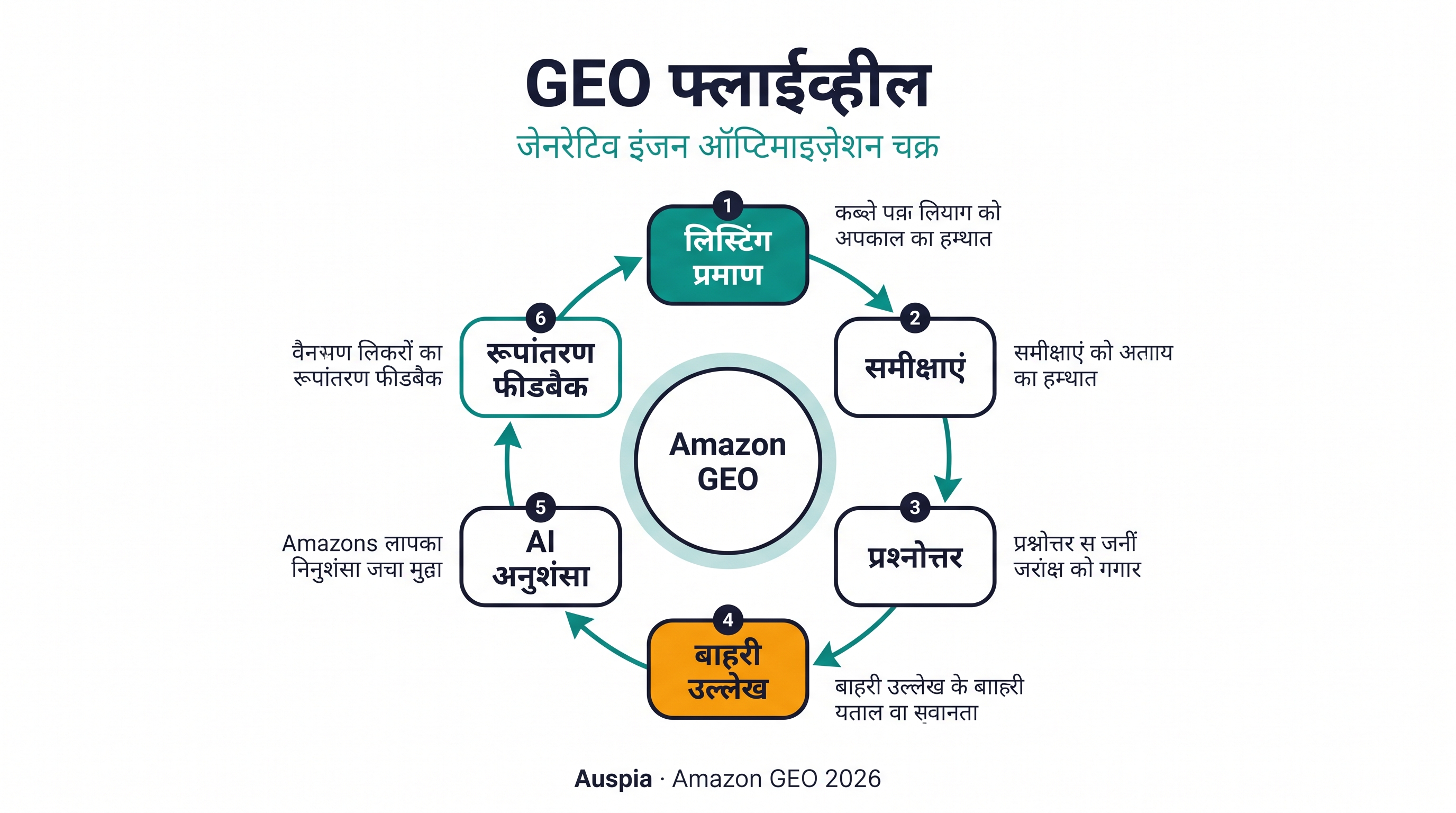
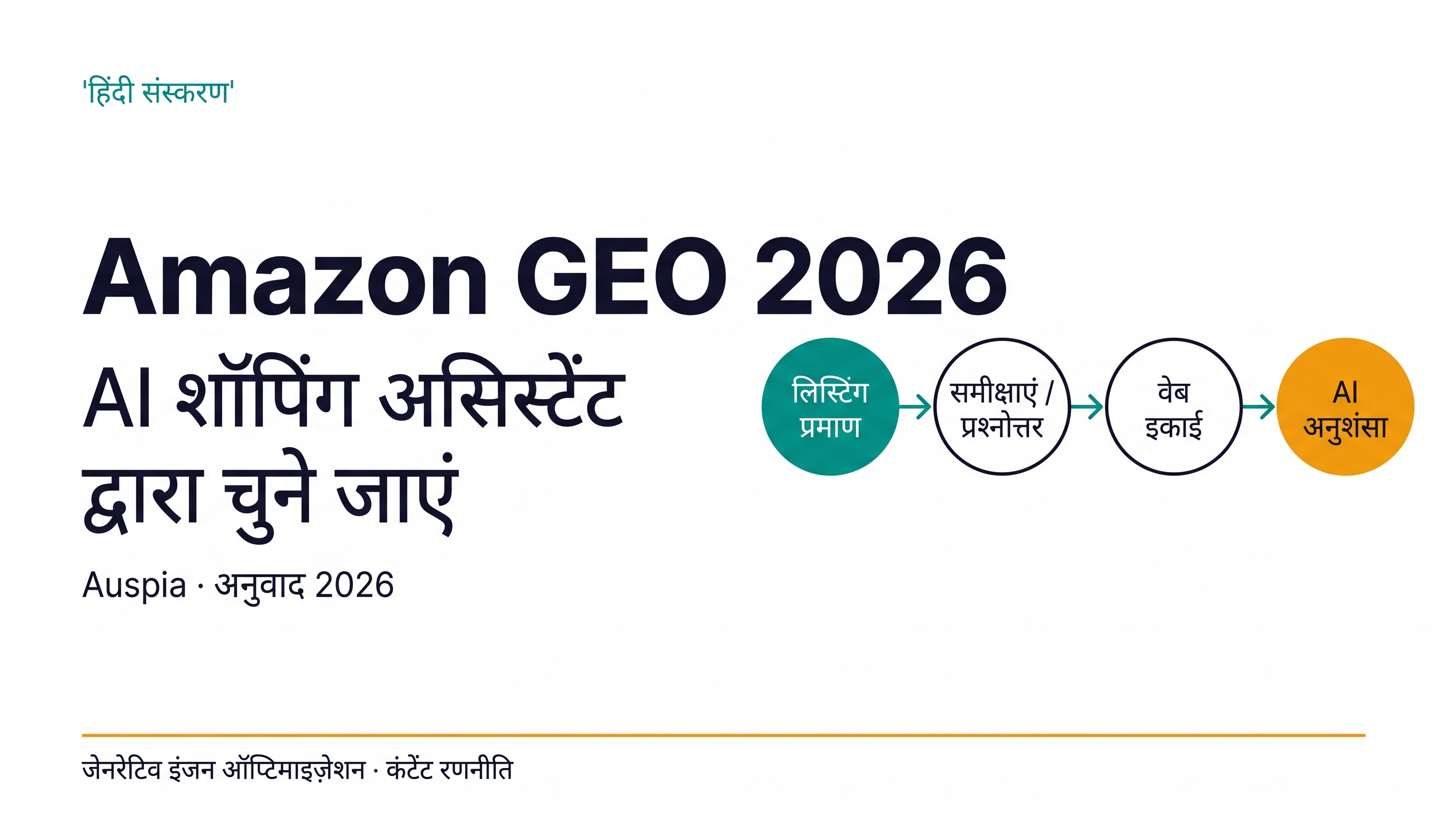
कैप्शन: Amazon GEO product content को decision evidence में बदलता है, केवल keyword coverage में नहीं।
2026 में Alexa for Shopping seller playbook क्यों बदलता है
Amazon Alexa for Shopping को एक agentic AI assistant के रूप में describe करता है, जो U.S. customers के लिए Amazon Shopping app और website में available है; full Amazon store experience Echo Show devices पर भी आ रहा है। इसका public feature set sellers के लिए महत्वपूर्ण है, क्योंकि यह research, comparison, summaries, price context और shopping tasks के आसपास बना है। Product retrieval इसका केवल एक हिस्सा है।
Amazon के May 2026 rollout notes के अनुसार, current Alexa for Shopping experience यह कर सकता है:
Assistant behavior | Sellers को क्यों care करना चाहिए |
|---|---|
Amazon main search bar में shopping questions का उत्तर देना | Product copy को natural-language needs से match करना होगा, केवल short keywords से नहीं। |
बड़े purchases के लिए shopping guides बनाना | Category education, use cases और comparison logic अधिक महत्वपूर्ण हो जाते हैं। |
Search results से products compare करना | Differences इतने explicit होने चाहिए कि assistant उन्हें explain कर सके। |
Search और product detail pages में AI overviews दिखाना | Listings को extractable claims और clean product facts चाहिए। |
Reviews, price history और product context इस्तेमाल करना | Review language और pricing trust recommendation story को shape कर सकते हैं। |
पूरे web से information लाना | Amazon के बाहर brand entity work अब Amazon discovery को indirectly affect करता है। |
Purchases schedule या automate करना | Consumables के लिए reorder logic, replenishment fit और trust signals अधिक important होते हैं। |
इसका मतलब यह नहीं कि पुराना Amazon SEO गायब हो जाता है। Titles, images, pricing, ratings, conversion rate, inventory और ads अभी भी important हैं। लेकिन GEO ऊपर एक second layer जोड़ता है: क्या product उस machine द्वारा समझा और defend किया जा सकता है जो shopper को decide करने में मदद कर रही है?
यही हिस्सा बहुत से sellers अभी भी underbuild करते हैं।
Keyword matching से decision matching तक
Old Amazon SEO अक्सर ऐसे बनता था:
- Main keyword को title में डालो।
- Variants को bullets में जोड़ो।
- Important terms को backend search fields में रखो।
- Traffic और reviews drive करो।
- Conversion rate improve करो।
यह अब भी valuable है। समस्या यह है कि AI shopping assistants words match करने से अधिक करते हैं। वे scenarios interpret करते हैं।
Shopper शायद कभी "portable bluetooth speaker waterproof IPX7 24 hour battery" type न करे। वह पूछ सकता है: "Beach speaker जो sand, water और पूरा Saturday outside survive करे।"
Keyword-first listing कह सकता है:
Portable Bluetooth Speaker, IPX7 Waterproof, 24H Battery, Outdoor Bass Speaker
GEO-ready listing कुछ ऐसा कहता है:
Beach days, camping weekends और outdoor parties के लिए portable Bluetooth speaker, IPX7 water protection और up to 24 hours battery life के साथ।
Second version में keywords अभी भी हैं। Difference यह है कि यह assistant को recommendation scenario भी देता है: beach, camping, outdoor parties, waterproof risk, battery duration।
यही shift है। Keywords रखें। उन्हें use, audience, constraints और outcomes की language में wrap करें।
Sellers को अभी करने चाहिए 7 Amazon GEO moves
1. Listings को केवल product nouns नहीं, use cases के आसपास rewrite करें
Shopper के real context से शुरू करें। Desk lamp की listing केवल "LED desk lamp" नहीं है। यह late-night study, video calls, small apartments, eye strain, dorm rooms या shared bedroom के बारे में हो सकती है।
जहाँ सच हो, scenario language जोड़ें:
Weak listing language | बेहतर GEO-ready language |
|---|---|
"USB port वाला LED desk lamp" | "Small desks, dorm rooms और late-night study के लिए LED desk lamp, phone या earbuds charge करने के लिए USB port के साथ।" |
"Travel backpack 40L" | "Three-day business trips, weekend flights और laptop-safe packing के लिए 40L carry-on travel backpack।" |
"Dog water bottle" | "Hikes, road trips और park days के लिए leak-resistant dog water bottle, one-handed use के लिए design किया गया।" |
Goal longer copy लिखना नहीं है। Goal product को human situation में easy to place बनाना है।
2. Bullet points को answer blocks में बदलें
कई listings bullets को specs के ढेर की तरह इस्तेमाल करती हैं:
- 5000mAh battery
- IPX7 waterproof
- Bluetooth 5.3
- Lightweight design
यह scan करना आसान है, लेकिन यह उन questions का जवाब नहीं देता जिनका जवाब assistant को देना है।
बेहतर structure:
- Camping weekends, beach days या outdoor parties के लिए up to 24 hours चलता है।
- IPX7 waterproof protection speaker को rain, pool splashes और wet hands handle करने में मदद करता है।
- Bluetooth 5.3 pairing को stable रखता है जब phone backpack या nearby room में हो।
- Lightweight body day bag में fit होती है, पूरी bag space नहीं लेती।
यह अभी भी factual है। बस ऐसे लिखा गया है कि quote, summarize, compare और intent से match किया जा सके।
Useful test: हर bullet के बाद पूछें, "यह कौन सा buyer question answer करता है?" अगर जवाब unclear है, rewrite करें।
3. Review language design करें, reviews manipulate न करें
Reviews AI-readable evidence layer का हिस्सा बन रहे हैं। इसका मतलब यह नहीं कि sellers reviews script करें या customers को fake language की ओर push करें। यह bad idea है।
इसका मतलब है कि post-purchase communication specific, honest feedback encourage करे।
Generic review मांगने के बजाय customers से पूछें कि वास्तव में क्या helpful था:
- Product किसने use किया?
- कहाँ use किया?
- कौन सी problem solve हुई?
- किससे compare किया?
- क्या कुछ confusing, smaller, louder, heavier या easier than expected था?
Low-value review language:
- "Good product."
- "Fast shipping."
- "Nice."
High-value review language:
- "मैंने यह अपनी mother के लिए खरीदा क्योंकि buttons बड़े और पढ़ने में आसान हैं।"
- "Rainy camping trip में इस्तेमाल किया और battery weekend भर चली।"
- "मेरे old model से lighter है, लेकिन handle थोड़ा softer हो सकता था।"
Last example में flaw है। अच्छा है। Real reviews polished review farms से अधिक useful होते हैं। AI assistants को trust चाहिए, cheerleading नहीं।
4. Q&A को product knowledge base मानें
Amazon Q&A अक्सर launch के बाद neglected रहता है। GEO के लिए यह mistake है।
Q&A वह जगह है जहाँ shoppers messy questions पूछते हैं जिन्हें product copy miss कर देता है:
- "क्या यह 2024 MacBook Pro में fit होगा?"
- "क्या beginner इसे अकेले assemble कर सकता है?"
- "क्या यह apartment के लिए quiet enough है?"
- "क्या यह thick carpets पर work करता है?"
- "क्या मैं इसे 70-pound dog के लिए use कर सकता हूँ?"
ये questions वही source material हैं जिसे assistant recommendation में बदल सकता है।
हर important product के लिए Q&A map बनाएं:
Q&A cluster | जवाब देने योग्य example questions |
|---|---|
Compatibility | Devices, sizes, parts, rooms, materials, software, accessories |
उपयोग स्थिति | यात्रा, परिवार में उपयोग, शुरुआती, पेशेवर, छोटे स्थान, बाहरी उपयोग |
Risk reduction | Noise, cleaning, safety, returns, durability, setup difficulty |
Comparison | किससे lighter, किससे quieter, किसके लिए better, किसके लिए ideal नहीं |
Troubleshooting | Setup, charging, pairing, assembly, maintenance, replacement parts |
अगर product page इन questions का जवाब नहीं देता, assistant gap को competitor से भर सकता है।
5. Amazon के बाहर brand entity बनाएं
यह वह हिस्सा है जिसका marketplace sellers अक्सर विरोध करते हैं, क्योंकि यह indirect लगता है। लेकिन Alexa for Shopping सार्वजनिक रूप से कहता है कि यह Amazon product knowledge को पूरे web की information के साथ combine करता है। इसका मतलब है कि आपके brand के आसपास web important है। यह GEO pitch deck की speculation नहीं है; यह Amazon के assistant description में है।
Amazon GEO product page से बड़ा है।
Brand के पास consistent external evidence होना चाहिए:
- Product category pages वाली clear brand website।
- Plain-language About page जो बताती है brand क्या बनाता है और किसके लिए।
- Product documentation, comparison pages, sizing guides या care guides।
- Relevant publishers, creators या niche communities से credible reviews।
- Amazon, Google, YouTube, Reddit, TikTok और retailer pages पर consistent brand names, product names और category descriptions।
- जहाँ सही हो schema markup, खासकर owned pages पर Organization, Product, FAQ और Review schema।
जो teams इसे जल्दी audit करना चाहती हैं, उनके लिए Auspia का AI Search Visibility Checker मदद कर सकता है कि brand या product AI answer surfaces पर कैसे दिखता है।
Practical question simple है: अगर AI system Amazon से बाहर देखे, तो क्या उसे coherent brand मिलेगा या scattered fragments?
6. Comparison advantages explicit बनाएं
AI shopping assistants comparison machines हैं। अगर दो products similar दिखते हैं, assistant को एक recommend करने का reason चाहिए।
Most sellers यह reason छिपा देते हैं। वे "premium quality" या "perfect gift" जैसे generic claims लिखते हैं। ये phrases assistant को choose करने में मदद नहीं करते।
Better comparison language specific होती है:
- Apartment workouts के लिए quieter motor।
- Small kitchens के लिए narrower 18-inch frame।
- No app account required वाला beginner-friendly setup।
- Previous formula से lower sugar per serving।
- Replacement filters two-packs में available।
- USB-C और USB-A chargers दोनों के साथ works।
Competitors पर attack करने की जरूरत नहीं। Buying tradeoff को clearly state करना है।
उपयोगी internal exercise: "इसे चुनें अगर..." से शुरू होने वाले पाँच वाक्य और "इसे न चुनें अगर..." से शुरू होने वाले पाँच वाक्य लिखें। दूसरी सूची असहज लगती है, लेकिन भरोसा बढ़ाती है और गलत-fit buyers घटाती है।
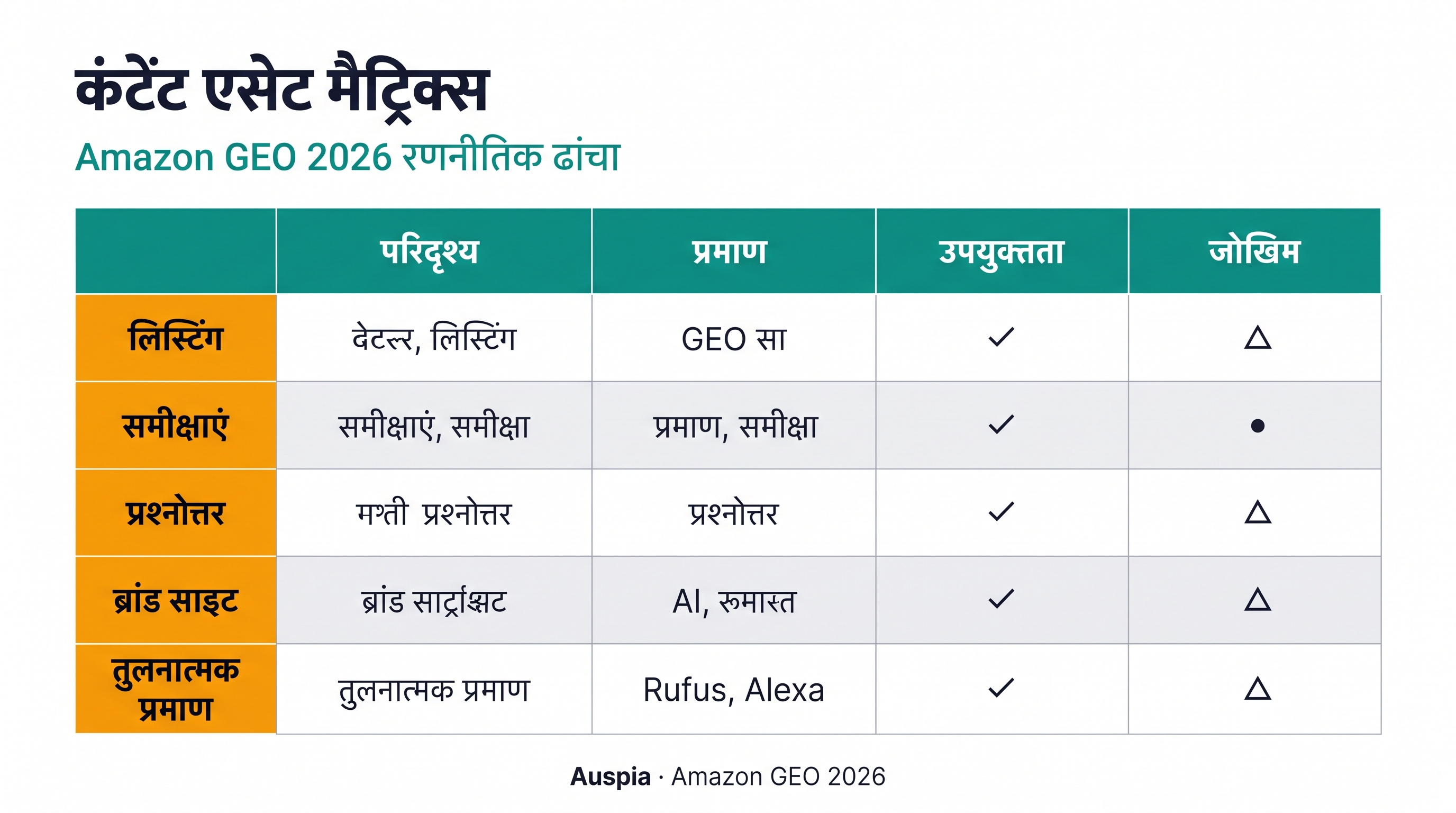
कैप्शन: Practical content matrix sellers को दिखाता है कि कौन सा AI-readable evidence missing है।
7. New flywheel देखें: AI recommendation, conversion, trust
Amazon ने हमेशा convert करने वाले products को reward किया है। AI shopping एक और feedback loop जोड़ता है।
2026 का likely flywheel ऐसा दिखता है:
- Assistant product समझता है और उसे specific scenario के लिए recommend करता है।
- Better-fit shoppers click, compare और buy करते हैं।
- Conversion rate और review quality improve होती है।
- Product को scenario fit होने का अधिक evidence मिलता है।
- Assistant उसे फिर recommend करने में अधिक confident होता है।
Reverse भी true है। अगर assistant product नहीं समझता, या reviews mismatch, confusion या returns दिखाते हैं, तो keyword coverage होने पर भी product struggle कर सकता है।
इसीलिए Amazon GEO को Amazon SEO के साथ बैठना चाहिए, उसके नीचे नहीं। SEO product को candidate set में लाता है। GEO assistant को decide करने में मदद करता है कि product selected होने योग्य है या नहीं।
2026 Amazon GEO checklist
Listing rewrite करने से पहले इसे fast audit की तरह use करें।
Area | GEO question | Quick fix |
|---|---|---|
Title | क्या इसमें main use case और buyer context है? | एक clear scenario या audience phrase जोड़ें। |
Bullets | क्या हर bullet buyer question answer करता है? | Specs को problem-solving statements में rewrite करें। |
Images | क्या images scale, context, compatibility और comparisons दिखाती हैं? | Annotated lifestyle और comparison images जोड़ें। |
A+ Content | क्या यह बताता है product किसके लिए है और किसके लिए नहीं? | Use-case module और comparison module जोड़ें। |
Reviews | क्या reviews real scenarios mention करते हैं? | Use, fit और results पर honest feedback मांगें। |
Q&A | क्या compatibility और edge cases answered हैं? | Q&A map seed और maintain करें। |
External web | क्या brand Amazon के बाहर समझ आता है? | Entity pages, guides, documentation और consistent profiles बनाएं। |
तुलना | क्या product difference समझाना आसान है? | साफ "इसे चुनें अगर" भाषा जोड़ें। |
Measurement | क्या आप AI visibility track कर रहे हैं, सिर्फ rank नहीं? | Alexa, Rufus, Google AI Overviews, ChatGPT और Perplexity में prompts test करें। |
Amazon GEO को बिना overcomplicate किए कैसे measure करें
Amazon Seller Central में sellers को clean "GEO score" नहीं देता। इसलिए lightweight prompt set से शुरू करें।
अपनी category के लिए 20 से 50 prompts बनाएं:
- Scenario prompts: "[scenario] के लिए अच्छा [product] कौन सा है?"
- Audience prompts: "[buyer type] के लिए कौन सा [product] best है?"
- Comparison prompts: "[your product] को [competitor] से compare करें।"
- Constraint prompts: "[need] के लिए X से कम में [product] खोजें।"
- Risk prompts: "[context] के लिए कौन सा [product] safest/easiest/quietest है?"
फिर record करें:
Metric | क्या track करें |
|---|---|
Mention rate | क्या product या brand appear करता है? |
Recommendation position | क्या यह first, grouped या alternative के रूप में mention है? |
Reason quality | क्या assistant सही advantage explain करता है? |
स्रोत गुणवत्ता | क्या जवाब Amazon content, reviews, external pages या कमजोर sources use करता है? |
Competitor pattern | कौन से competitors बार-बार appear करते हैं और क्यों? |
Error pattern | Assistant क्या misunderstand करता है? |
इसे monthly करें। Major listing rewrites के बाद करें। Heavy ad pushes से पहले करें। जिस product page को AI explain नहीं कर सकता, वह समय के साथ अधिक ad spend waste कर सकता है।
Sellers को क्या करना बंद करना चाहिए
कुछ habits AI-shopping environment में खराब तरह से पुरानी पड़ेंगी।
Keyword tools के लिए पहले listings लिखना बंद करें। Real shoppers keyword exports की तरह बात नहीं करते।
Reviews को सिर्फ star-count asset मानना बंद करें। Review language evidence है।
Q&A को chance पर छोड़ना बंद करें। यह public knowledge base है।
Vague superiority claims बंद करें। "High quality" recommendation reason नहीं है।
Brand website को optional समझना बंद करें। अगर Amazon assistant web information use कर सकता है, तो external brand footprint product story का हिस्सा है।
Auspia take
बड़ा shift "Amazon SEO is dead" नहीं है। बदलाव इससे अधिक practical है।
Amazon SEO आपको found करवाता है। Amazon GEO आपको chosen करवाता है।
2026 में best ecommerce teams product content तीन readers के लिए साथ-साथ लिखेंगी: human shopper, Amazon ranking systems, और AI assistant जो messy buyer intent को recommended products की short list में बदलता है।
इसका मतलब product pages को cleaner semantics, better scenario coverage, useful reviews, stronger Q&A और open web में coherent brand entity चाहिए।
अगर आपकी listing केवल कहती है product क्या है, तो वह underwritten है। अगर वह बताती है कि कौन खरीदे, कब use करे, कैसे compare होता है और real buyers उस पर क्यों trust करते हैं, तो वह GEO-ready के बहुत करीब है।
FAQ
Amazon GEO क्या है?
Amazon GEO वह practice है जिसमें product listings, reviews, Q&A, brand pages और external web evidence को AI shopping assistants के लिए समझने, compare करने और recommend करने में आसान बनाया जाता है। यह Amazon SEO पर build करता है, लेकिन decision quality पर focus करता है। Keyword visibility काम का केवल एक हिस्सा है।
क्या Amazon GEO Amazon SEO से अलग है?
हाँ। Amazon SEO product को keyword searches के लिए appear करने में मदद करता है। Amazon GEO AI assistant को समझने में मदद करता है कि shopper की described need, scenario, budget या constraint के लिए product कब अच्छी recommendation है।
क्या Alexa for Shopping Amazon के बाहर की information use करता है?
Amazon कहता है कि Alexa for Shopping deep product knowledge को पूरे web की information, shopping capabilities और personal context के साथ combine करता है। इससे sellers के लिए external brand consistency अधिक important हो जाती है।
क्या sellers को listings से keywords हटाने चाहिए?
नहीं। Keywords अभी भी matter करते हैं। Better move है important keywords रखना और natural use-case language, audience fit, comparison points और answer-style bullets जोड़ना।
Amazon GEO के लिए पहले क्या improve करना चाहिए?
Title और bullets को buyer questions के आसपास rewrite करें। Use cases, constraints और comparison reasons जोड़ें। फिर Q&A और review collection improve करें ताकि page में अधिक specific, honest evidence हो।
लेखक: Adrian Cole, Auspia में 1,000+ AI Search results के analyst। Adrian लिखते हैं कि brands ChatGPT, Perplexity, Gemini, Google AI Overviews और AI shopping assistants में कैसे appear करते हैं।