คำตอบแบบสั้น
ถ้าต้องการให้ Perplexity อ้างอิงเนื้อหาของคุณ หน้าเว็บต้องผ่านการทดสอบสองข้อ
ข้อแรก Perplexity ต้องเข้าถึงและเข้าใจหน้าเว็บได้ นั่นหมายความว่าอย่าบล็อก crawler โดยไม่ตั้งใจ อย่าซ่อนข้อเท็จจริงสำคัญไว้หลัง JavaScript ที่ซับซ้อนหรือหน้าล็อกอิน และอย่าเผยแพร่หน้าบาง ๆ ที่พูดเยอะแต่พิสูจน์ได้น้อย
ข้อที่สอง หน้าเว็บต้องมีประโยชน์ในฐานะแหล่งอ้างอิงภายในคำตอบ AI Perplexity มักอ้างอิงหน้าที่สนับสนุนข้อกล่าวอ้างเฉพาะ ตอบคำถามที่ชัดเจน และให้สิ่งที่โมเดลตรวจสอบหรือหยิบไปอ้างได้ เช่น ข้อมูล วิธีการ ตัวอย่าง ตาราง หรือลิงก์ต้นทาง หน้า landing page แบบทั่วไปมักอ่อนกว่า คู่มือที่ชัดเจน benchmark หน้าเปรียบเทียบ dataset เอกสารประกอบ บันทึกงานวิจัยต้นฉบับ หรือ FAQ ที่จัดโครงสร้างดีมีโอกาสมากกว่า
ไม่มีปุ่มรับประกันว่า “ส่งหน้านี้แล้วได้ citation” ให้มอง visibility บน Perplexity เป็นปัญหาคุณภาพของแหล่งข้อมูล: ทำให้หน้าถูกค้นพบได้ ทำให้ข้อกล่าวอ้างตรวจสอบได้ แล้วทดสอบ prompt ที่ผู้ซื้อ นักวิจัย หรือผู้สื่อข่าวน่าจะใช้เมื่อคาดว่าจะเห็นแบรนด์ของคุณ
การอ้างอิงของ Perplexity ทำงานอย่างไรในทางปฏิบัติ
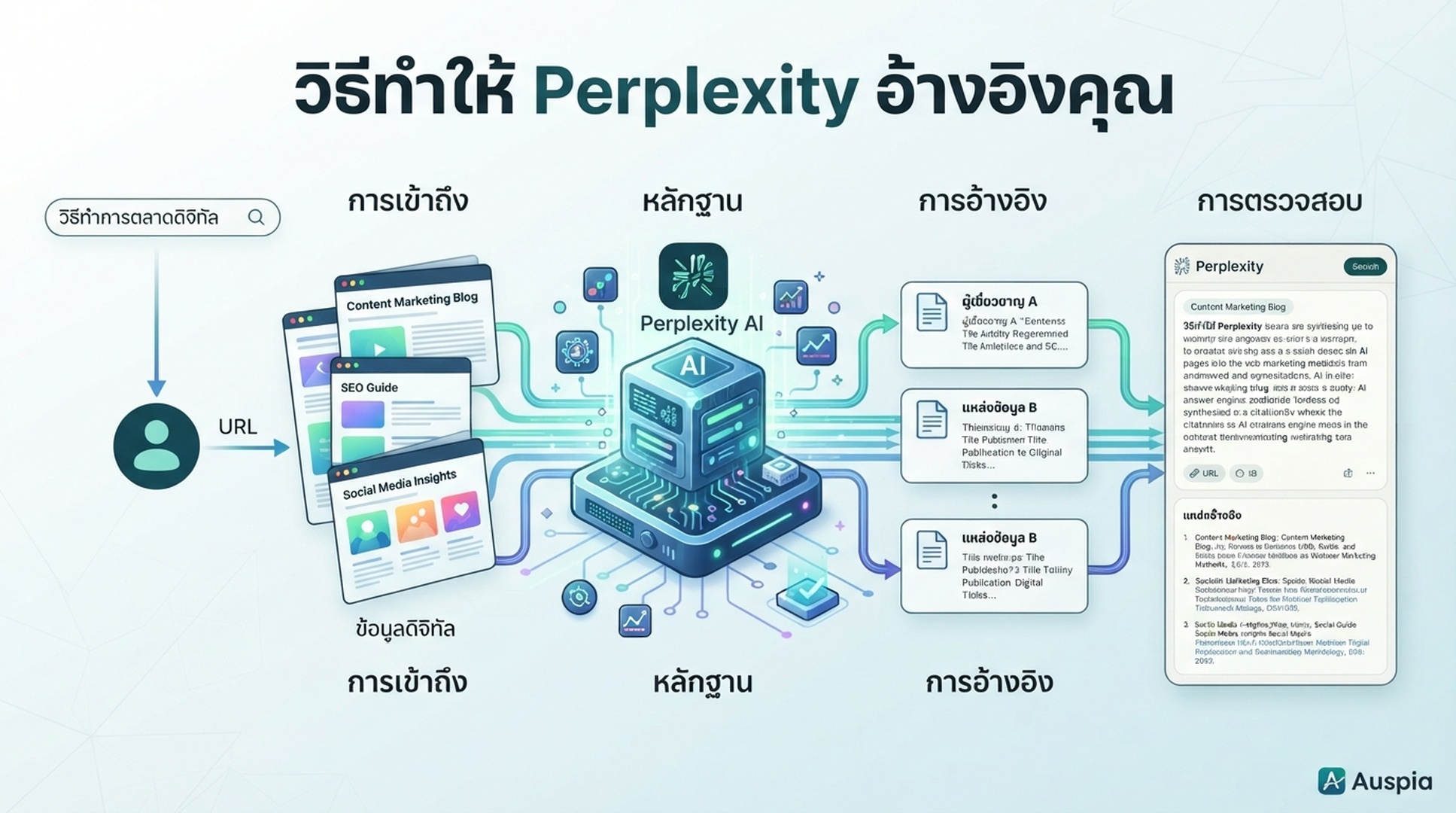
Perplexity คือ answer engine แบบ AI ที่มีพฤติกรรมเหมือน web search ผู้ใช้ถามคำถาม ระบบดึงแหล่งข้อมูลจากเว็บ สร้างคำตอบ และแนบ citations เพื่อให้ผู้อ่านตรวจสอบได้ว่าข้อกล่าวอ้างมาจากไหน
ชั้น citation นี้เปลี่ยนงาน SEO ในจุดสำคัญ: การติดอันดับใน Google ช่วยได้ แต่ยังไม่ใช่งานทั้งหมด หน้าเว็บของคุณต้องใช้งานได้สำหรับ answer engine ด้วย
หน้าที่พร้อมถูกอ้างอิงมักมีคุณสมบัติเหล่านี้:
คุณสมบัติของแหล่งข้อมูล | ทำไมสำคัญต่อ Perplexity | เวอร์ชันอ่อน | เวอร์ชันแข็งแรงกว่า |
|---|---|---|---|
Crawl ได้ | ระบบ retrieval ต้องเข้าถึงหน้าได้ | ถูกบล็อกด้วย robots.txt หรือซ่อนหลัง login | หน้า public ที่มี HTML content ชัดเจน |
เฉพาะเจาะจง | คำตอบ AI ต้องมีแหล่งสนับสนุน claim ที่แคบ | “เราช่วยทีมเติบโตด้วย AI” | “benchmark ปี 2026 ของเราเปรียบเทียบหน้า pricing SaaS 120 หน้าใน answer engines 8 ตัว” |
มีหลักฐาน | citation ต้องรองรับ claim | ความเห็นที่ไม่มีข้อมูลหรือตัวอย่าง | data, methodology, screenshots, examples หรือ named references |
ดึงข้อมูลได้ง่าย | ระบบต้องเข้าใจคำตอบอย่างรวดเร็ว | หน้ายาวที่มี section คลุมเครือ | headings ชัด, answer blocks, tables, FAQ |
สดใหม่พอ | หัวข้อปัจจุบันต้องใช้แหล่งข้อมูลปัจจุบัน | article เก่าที่ไม่มี update context | หน้า updated ที่มี dates, version notes หรือ current examples |
โมเดลความคิดที่มีประโยชน์: Perplexity ไม่ได้อ้างอิง “แบรนด์” แบบนามธรรม มันอ้างอิง URL งานของคุณคือสร้าง URL ที่สมควรถูกใช้เป็นหลักฐาน
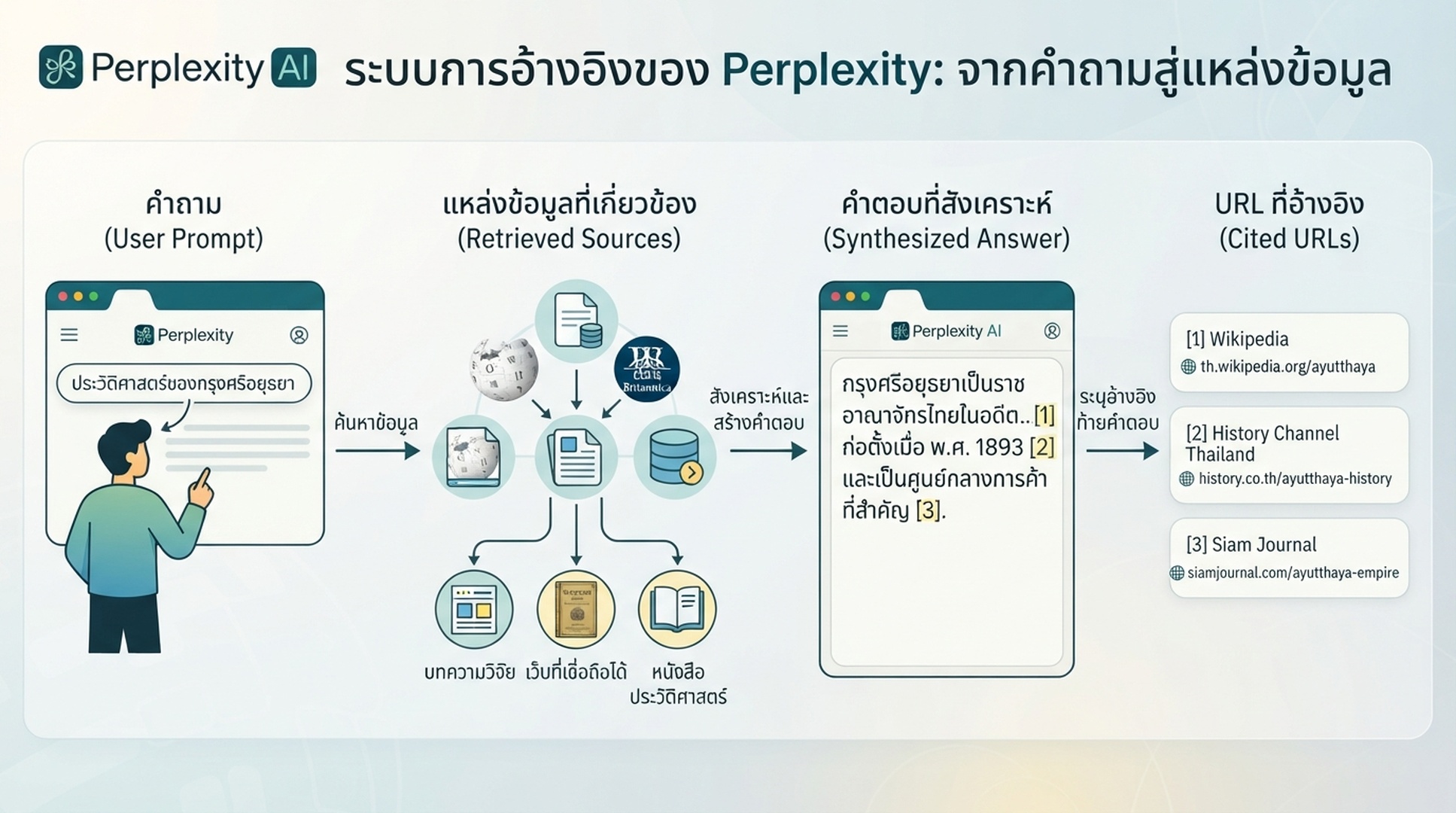
Pipeline citation ของ Perplexity: access, source fit, evidence และ answer relevance ล้วนมีผลก่อนที่ URL จะกลายเป็น citation ที่มองเห็นได้
ขั้นแรก ตรวจให้แน่ใจว่า Perplexity crawl คุณได้
ก่อนเขียนเนื้อหาใหม่ ให้ตรวจชั้นเทคนิคที่น่าเบื่อก่อน มันน่าเบื่อเพราะมันได้ผล
Perplexity มีเอกสารของ crawlers หลายตัว รวมถึง PerplexityBot สำหรับการ crawl ดัชนีค้นหา และ Perplexity-User สำหรับการ fetch ที่เกิดจากผู้ใช้ พฤติกรรมของ crawler อาจเปลี่ยนได้ ดังนั้นก่อนตัดสินใจเรื่อง policy ให้ตรวจเอกสาร crawler ล่าสุดของ Perplexity เสมอ แต่หลักการทำงานยังเหมือนเดิม: ถ้าคุณบล็อก crawler ซ่อน content หรือส่งหน้าเสีย โอกาสถูก cite จะลดลง
ให้ตรวจสิ่งเหล่านี้:
- ตรวจ
robots.txt- ยืนยันว่าคุณไม่ได้บล็อก user agents ที่เกี่ยวข้องกับ Perplexity
- ตรวจว่ากฎกว้าง ๆ เช่น
User-agent: * Disallow: /blog/บล็อกเนื้อหาที่มีประโยชน์โดยไม่ตั้งใจหรือไม่ - ถ้าทีม legal หรือ security บล็อก AI crawlers ตาม policy ให้บันทึก tradeoff นี้ไว้ คุณไม่สามารถปิด access แล้วคาดหวัง citation พร้อมกันได้
- ทดสอบ URL สำคัญโดยไม่พึ่ง JavaScript
- เปิดหน้าด้วย text browser หรือ fetch raw HTML
- ตรวจว่า core answer, facts, headings และ links มีอยู่โดยไม่ต้องใช้ client-side render ที่ซับซ้อน
- ถ้าหน้าแทบว่างจนกว่า JavaScript จะโหลด ให้ปรับปรุง server-rendered content
- อย่าทำ source pages ให้ gated
- Perplexity อาจ cite public summaries, docs, articles และ reports ได้ง่ายกว่า gated PDFs หรือหน้าที่ต้องกรอก form
- ถ้าต้องทำ lead capture ให้ publish public evidence page และ gate asset ที่ลึกกว่าแยกต่างหาก
- ทำ canonical และ metadata ให้สะอาด
- ใช้ canonical URL เดียวต่อบทความ
- หลีกเลี่ยง duplicate versions ที่มี titles ขัดแย้งกัน
- Title, meta description, headings และ schema ควรอธิบาย topic เดียวกัน
สำหรับผู้อ่าน Auspia นี่คือจุดที่ quick AI crawler audit ช่วยได้ หากคุณดูแล rules สำหรับ Googlebot, Bingbot และ search crawlers อื่นอยู่แล้ว ให้เพิ่ม Perplexity access เข้าไปใน habit การ review เดียวกัน ไม่ใช่ทำเหมือน GEO hack ครั้งเดียว เริ่มได้จาก Robots.txt AI Crawler Checker
สร้างหน้าที่ถูกอ้างอิงได้ ไม่ใช่แค่ติดอันดับได้
บทความ SEO ปกติอาจ rank ได้เพราะครอบคลุม แต่บทความที่ Perplexity cite ได้ต้องมีงานที่คมกว่า: มันต้องสนับสนุนคำตอบ
นั่นหมายความว่าแต่ละหน้าสำคัญควรมีหนึ่งหรือหลาย claim ที่ retrieve ได้ง่าย เชื่อถือได้ และ cite ได้
เป้าหมาย citation ที่ดี ได้แก่:
- Original research: surveys, benchmarks, usage data, experiments, market maps
- Documentation: product docs, API references, changelogs, pricing explanations, feature pages
- Comparison pages: criteria ชัด, limitations, methodology และ alternatives
- How-to guides: step-by-step process พร้อม examples และ caveats
- Glossary pages: definitions พร้อม context, examples และ related terms
- Case studies: constraints, actions และ outcomes จริง โดยไม่ inflate claims
เป้าหมาย citation ที่อ่อน ได้แก่:
- Thin landing pages ที่มี benefits กว้าง ๆ
- Articles ที่ summarize บทความอื่นโดยไม่เพิ่ม evidence
- Pages ที่มี big claims แต่ไม่มี methodology
- AI-written pages ที่ไม่มี author, date, examples หรือ primary source value
- Pages ที่ฝัง answer ไว้ใต้ intro, sales copy และ keyword variations ที่ซ้ำไปมา
กฎ rewrite ที่ง่ายที่สุด:
ถ้าประโยคหนึ่งขอให้ผู้อ่านเชื่อคุณ ให้เพิ่ม proof ไว้ใกล้ ๆ
อ่อน: “Perplexity optimization ช่วยแบรนด์ B2B เพิ่ม AI search visibility”
แข็งแรงกว่า: “ในการติดตาม prompt รายสัปดาห์ของเรา visibility บน Perplexity มักเปลี่ยนที่ระดับ URL ก่อน: หน้าเอกสาร หน้าเปรียบเทียบ และงานวิจัยต้นฉบับมักถูก cite ก่อนหน้าผลิตภัณฑ์แบบกว้าง”
เวอร์ชันที่สองยังเป็น claim แต่มี observation ที่เป็นรูปธรรม และช่วยให้โมเดลเชื่อมโยง page type กับ topic ได้ง่ายขึ้น
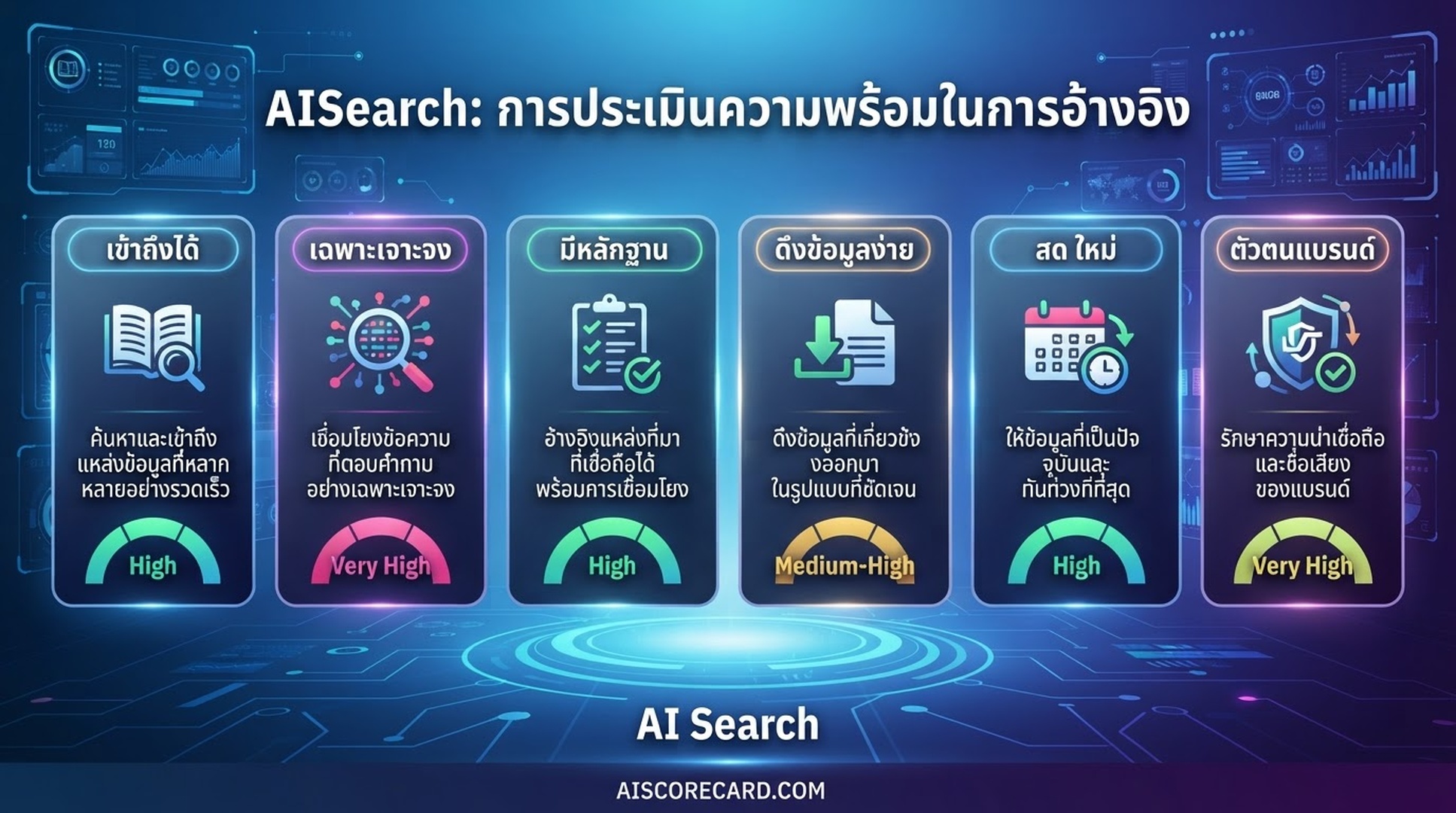
ใช้ source fitness scorecard ก่อนถามว่าทำไมหน้านี้ไม่ปรากฏใน AI citations
ใช้ answer block ใกล้ด้านบน
Perplexity มักตอบคำถามโดยตรง หน้าเว็บของคุณก็ควรทำแบบเดียวกัน
เพิ่ม answer block สั้น ๆ ในหน้าจอแรกของบทความ เขียนให้ plain หลีกเลี่ยง intro ที่ยาว
ตัวอย่างโครงสร้าง:
## คำตอบแบบสั้น

ถ้าต้องการให้ Perplexity cite คุณ ให้ publish pages ที่ crawl ได้และตอบ specific question ด้วย evidence ผู้สมัครที่แข็งแรงที่สุดคือ original research, documentation, comparison pages และ guides ที่มี clear definitions, examples, dates และ source links คุณรับประกัน citation ไม่ได้ แต่เพิ่ม eligibility ได้ด้วยการเอา crawler blocks ออก เสริม source quality และ test prompts ที่ audience ของคุณคาดว่าจะได้ answer
สิ่งนี้ช่วยสองทาง ผู้อ่านได้คำตอบเร็ว และ AI systems ได้ passage ที่สะอาด ดึงออกได้ง่าย และบอกความสัมพันธ์ระหว่าง query กับ page
ใช้หลักการเดียวกันใน sections ที่ลึกขึ้น ถ้า section ตอบว่า “schema ช่วย Perplexity ไหม” ให้ตอบก่อนแล้วค่อยอธิบาย
เพิ่ม evidence ที่ Perplexity ใช้ได้
Perplexity citations มักผูกกับ factual claims ดังนั้นให้ facts ที่ดีกว่าแก่ระบบ
Evidence type | Best use case | Example |
|---|---|---|
Methodology | research และ benchmarks | “เราทดสอบ 200 prompts ใน answer engines 5 ตัว ระหว่าง 3 ถึง 12 มิถุนายน 2026” |
Tables | comparisons และ decision queries | feature-by-feature comparison พร้อม criteria |
Named examples | how-to และ strategy posts | “ผู้ขาย payroll software อาจสร้าง pages สำหรับ contractor tax forms, payroll cutoff dates และ state compliance” |
Screenshots | tool workflows และ UI changes | annotated screenshot ของ public result page แบบไม่ login |
Update notes | topics ที่เปลี่ยนเร็ว | “Updated July 2026 เพื่อสะท้อน current crawler documentation” |
Source links | claims เกี่ยวกับ platforms หรือ policies | links ไปยัง official Perplexity docs, publisher pages หรือ product announcements |
อย่าปลอม data อย่าสร้าง benchmarks ขึ้นมาเอง ถ้าคุณมีเพียง qualitative observations ให้พูดให้ชัด
งาน Perplexity citation เป็น editorial discipline ส่วนหนึ่ง หน้าเว็บที่บอกว่า “เราศึกษาเรื่องนี้” ต้องแสดงว่าศึกษาอะไร หน้าเว็บที่บอกว่า “tool นี้ดีกว่า” ต้องแสดง criteria หน้าเว็บที่บอกว่า “platform เปลี่ยนแล้ว” ต้อง link ไปยัง platform source
สร้างหน้ารอบ prompt ไม่ใช่แค่ keyword
SEO แบบเดิมเริ่มจาก keywords งาน GEO ยังต้องมี prompt mapping ด้วย
Keyword อาจเป็น: “best CRM for small business”
Prompt แบบ Perplexity มักเป็นแบบนี้:
- “CRM ใดดีที่สุดสำหรับทีมบริการ B2B 20 คนที่ต้องการ email sync และ simple pipeline reporting?”
- “เปรียบเทียบ HubSpot, Pipedrive และ Zoho สำหรับ founder-led sales team”
- “CRM ใด migrate จาก spreadsheets ได้ง่ายที่สุด?”
Prompt เหล่านี้มี citation needs ต่างกัน หน้า “best CRM” ทั่วไปอาจไม่พอ Answer engine ต้องการ sources เรื่อง pricing, feature fit, migration complexity, team size, integrations, support และ tradeoffs
Prompt cluster | Page ที่ควรสร้างหรือปรับปรุง | Citation angle |
|---|---|---|
Prompt นิยาม | glossary หรือหน้าอธิบาย | นิยามชัดเจนและตัวอย่าง |
Comparison prompts | alternative หรือ comparison page | criteria, pros, cons, pricing notes |
How-to prompts | workflow guide | steps, screenshots, checklist |
Trust prompts | research, benchmark, case study | data, method, outcomes |
Product-fit prompts | use-case landing page | constraints, audience, decision rules |
Prompt maps ที่ดีที่สุดไม่จำเป็นต้องใหญ่ เริ่มจากคำถาม 20 ถึง 50 ข้อที่ buyers หรือ researchers ของคุณจะถาม Perplexity จริง ๆ จากนั้น test ว่า sources ใดปรากฏ และ sources เหล่านั้นมีอะไรที่คุณยังไม่มี
เสริม entity signals รอบแบรนด์
Perplexity ต้องเข้าใจว่าคุณคือใคร อยู่ใน category ใด และทำไม page ของคุณจึงเกี่ยวข้องกับ question
Entity clarity สำคัญที่สุดเมื่อ query มี category, product type หรือ comparison
ตรวจ basics เหล่านี้:
- About page อธิบายบริษัทในประโยคตรง ๆ หนึ่งประโยค
- Product pages ใช้ category language สม่ำเสมอ
- Author pages หรือ bylines ดู credible และไม่ใช่ fake expert theater
- Organization schema, Article schema, breadcrumbs และ canonical tags สะอาด
- Brand ถูกกล่าวถึงอย่างสม่ำเสมอใน docs, social profiles, directories, review sites และ partner pages
- Important pages link หากันด้วย descriptive anchor text
สำหรับ GEO “descriptive” อาจดูน่าเบื่อในทางที่ดี ใช้ anchor text อย่าง “AI search visibility checker” แทน “learn more” ใช้ “Perplexity citation tracking” แทน “our solution”
เป้าหมายไม่ใช่การยัด entity keywords ทุกที่ เป้าหมายคือการลด ambiguity
สร้างการยืนยันจากนอกเว็บไซต์
Perplexity สามารถ cite เว็บไซต์ของคุณเองได้ แต่ third-party corroboration ช่วยได้ ถ้าสถานที่เดียวที่บอกว่าแบรนด์ของคุณสำคัญคือเว็บไซต์ของคุณเอง source graph จะอ่อน
แหล่งยืนยันที่มีประโยชน์ ได้แก่:
- Independent reviews และ comparison pages
- Partner directories
- Podcast หรือ webinar pages ที่มี transcripts
- Research citations
- GitHub repositories หรือ docs ถ้า relevant
- Analyst roundups
- News mentions
- Community discussions ที่มี real users
- Public customer stories
คุณไม่ต้องมีทั้งหมด คุณต้องมี external confirmation พอสำหรับ claim type ที่คุณอยากให้ปรากฏ
เช่น ถ้าคุณอยากให้ Perplexity cite แบรนด์ของคุณสำหรับ “AI search visibility tools” product page ของคุณมีประโยชน์ แต่จะยิ่งแข็งแรงเมื่อจับคู่กับ third-party mentions, docs, examples และ comparison pages ที่ describe category เดียวกัน
นี่คือจุดที่ PR, SEO และพาร์ตเนอร์ชิป มาบรรจบกันในเชิงปฏิบัติ ไม่ใช่ “การรับรู้แบรนด์” แบบกว้าง ๆ แต่คือ การสร้างกราฟแหล่งข้อมูล
Sprint 30 วันเพื่อ Perplexity citations
ใช้ flow นี้เมื่ออยากเริ่มแบบ practical
Week | งาน | ผลลัพธ์ |
|---|---|---|
สัปดาห์ 1 | Audit crawl access และ existing citation footprint | robots.txt notes, list ของ currently cited URLs, prompt baseline |
สัปดาห์ 2 | ปรับปรุงหน้าแหล่งข้อมูล 3 ถึง 5 หน้า | บล็อกคำตอบ ตารางหลักฐาน หัวข้อชัดขึ้น ลิงก์ต้นทาง |
สัปดาห์ 3 | Publish original evidence asset หนึ่งชิ้น | benchmark, comparison matrix, methodology post หรือ research note |
สัปดาห์ 4 | Test prompts อีกครั้งและเสริม signals | citation report, prompt gaps, next-page backlog |
สัปดาห์ 1: หา footprint ปัจจุบัน
Test prompts 20 ถึง 50 ข้อ รวม brand prompts, category prompts, comparison prompts, problem prompts และ buyer prompts บันทึกว่า brand ปรากฏหรือไม่ URL ของคุณถูก cite หรือไม่ competitor URLs ใดถูก cite page types ใดถูก cite answer มี claims อะไร และ answer accurate หรือไม่
Week 2: ปรับปรุง pages ที่มีอยู่
เลือกหน้าที่ใกล้พร้อมสำหรับการถูกอ้างอิงแล้ว อย่าเริ่มจากหน้าแรก ให้จัดลำดับความสำคัญกับหน้าเอกสารที่ขาดบริบท หน้าเปรียบเทียบที่เกณฑ์อ่อน บทความที่ติดอันดับแล้วแต่ขาดหลักฐาน หน้าผลิตภัณฑ์ที่มีกรณีใช้งานแข็งแรงแต่ดึงข้อมูลยาก และหน้าวิจัยที่ต้องการสรุปชัดขึ้น
เพิ่ม answer blocks, tables, examples, update notes และ source links ลบ intro copy ที่คลุมเครือ
สัปดาห์ 3: Publish evidence asset หนึ่งชิ้น
Evidence page ที่ดีหนึ่งหน้าอาจทำงานได้มากกว่า generic blog posts สิบหน้า Possible assets ได้แก่ benchmark ของ category tools, state of workflow report, comparison matrix, dataset ของ pricing pages, methodology ว่า evaluate topic อย่างไร หรือ public checklist สำหรับ technical audit
ทำ asset ให้ public, indexable และ cite ได้ง่าย
สัปดาห์ 4: Retest และสร้าง backlog
รันชุด prompt เดิมอีกครั้ง อย่าตกใจถ้า citations ไม่เปลี่ยนทันที ระบบ AI search ไม่อัปเดตทุกแหล่งข้อมูลด้วยความเร็วเท่ากัน
มองหาความเคลื่อนไหว: new brand mentions, descriptions ที่ accurate ขึ้น, competitor citations ถูกแทนที่ด้วย neutral sources, pages ของคุณปรากฏใน long-tail prompts และ summaries ของ category หรือ product ดีขึ้น
สิ่งที่ไม่ควรทำ
คำแนะนำ GEO บางอย่างทำให้งานนี้ยากเกินจำเป็น
ข้อผิดพลาด | ทำไมจึงล้มเหลว |
|---|---|
Publish “Perplexity SEO” posts ทั่วไปจำนวนมาก | Thin pages ไม่กลายเป็น strong sources แค่เพราะ mention platform |
Block AI crawlers แต่คาดหวัง AI citations | access policy ขัดกับ visibility goals |
ยัด “Perplexity” ในทุกหัวข้อ | แหล่งที่ถูกอ้างอิงต้องตอบคำถามของผู้ใช้ ไม่ใช่แค่เรียกชื่อ answer engine |
ใช้ fake statistics | AI systems และ human readers ลงโทษ unreliable claims เมื่อเวลาผ่านไป |
ซ่อน real answer ไว้หลัง form | gated pages เป็น citation targets ที่อ่อน |
มอง citation เป็น one-time win | prompts, sources และ answers เปลี่ยนได้ measurement ต้อง repeat |
ความผิดพลาดใหญ่ที่สุดคือไล่ล่า citation แทนที่จะปรับปรุง source Citation เป็น outcome ส่วน source quality คืองานจริง
วิธีวัดความคืบหน้า Perplexity citation
อย่าวัดแค่ traffic Referral traffic จาก Perplexity อาจเล็ก ไม่สม่ำเสมอ หรือ attribution ยาก Citation visibility มักสำคัญก่อน traffic จะมา
เมตริก | สิ่งที่บอก |
|---|---|
Citation rate | เปอร์เซ็นต์ของ tracked prompts ที่ URL ของคุณถูก cite |
Brand mention rate | เปอร์เซ็นต์ของ prompts ที่แบรนด์ปรากฏ ไม่ว่าจะ cited หรือไม่ |
Answer accuracy | Perplexity describe brand, product หรือ data ของคุณถูกต้องหรือไม่ |
Cited URL mix | Perplexity ใช้ pages ใดเป็น sources |
Competitor citation share | competitors หรือ publishers ใด dominate answer |
Source type gap | Perplexity prefer docs, research, reviews หรือ news สำหรับ query นั้นหรือไม่ |
Change over time | updates ทำให้ visibility ดีขึ้นใน repeated tests หรือไม่ |
จังหวะที่ practical: ทุกสองสัปดาห์สำหรับ active campaigns และรายเดือนสำหรับ evergreen category prompts
ถ้า test ทุกวัน คุณอาจ overreact ต่อ noise ถ้า test ครั้งเดียว คุณจะ miss pattern
FAQ
ส่ง site ให้ Perplexity เพื่อขอ citations ได้ไหม?
ไม่เหมือนการ submit sitemap ให้ search engine แล้วรอ indexing เส้นทาง practical คือทำให้ page crawlable, source-worthy และ relevant กับ prompts ที่ Perplexity retrieve web sources Perplexity ยังมี publisher-related programs แต่สิ่งเหล่านั้นไม่แทนที่ basic source quality
robots.txt มีผลต่อ Perplexity citations ไหม?
มี Crawler access อาจมีผลต่อว่า Perplexity retrieve หรือ index content ของคุณได้หรือไม่ ก่อนเปลี่ยน rules ให้ดู current crawler documentation ของ Perplexity แล้ว confirm ว่า important pages ไม่ถูก block โดยบังเอิญ
schema markup ช่วย Perplexity ไหม?
Schema ช่วย clarify entities, article structure, breadcrumbs, authorship, products, FAQs และ organization details ได้ แต่ไม่ใช่ citation guarantee ใช้ schema เพื่อลด ambiguity ไม่ใช่ชดเชย weak content
Content type ใดถูก cite บ่อยที่สุด?
คำตอบที่ปลอดภัยที่สุดคือ content ที่ support specific claim ในทางปฏิบัติมักเป็น original research, documentation, comparison pages, technical guides, data pages และ articles ที่มี clear answer blocks พร้อม evidence
ใช้เวลานานแค่ไหนกว่าจะถูก Perplexity cite?
ไม่มี fixed timeline การเปลี่ยนแปลงขึ้นกับ crawl access, source competition, query demand, content quality และ Perplexity refresh relevant results บ่อยแค่ไหน วัดด้วย recurring prompt set แทนการคาดหวังผลทันที
ควร optimize Perplexity แยกจาก Google ไหม?
แยก measurement ไม่ใช่ fundamentals Crawlability, strong titles, clear structure, topical authority, evidence และ trustworthy external mentions ช่วยทั้งคู่ Perplexity เพิ่มความต้องการ answer-ready passages, prompt testing และ citation tracking ให้มากขึ้น
Source notes
บทความนี้ใช้แหล่งข้อมูลต่อไปนี้:
- Perplexity crawler documentation สำหรับ crawler names และ access considerations: https://docs.perplexity.ai/docs/resources/perplexity-crawlers
- Perplexity public product และ publisher context: https://www.perplexity.ai
- การอภิปรายและงานวิจัยสาธารณะปัจจุบันเกี่ยวกับ AI search citation behavior, retrieval quality และ source selection patterns พฤติกรรม platform อาจเปลี่ยนได้ ตรวจ crawler rules อีกครั้งก่อน publish
ผู้เขียน: Isabel Grant, researcher ของ AI citation patterns มากกว่า 2,000 รูปแบบที่ Auspia Isabel เขียนเกี่ยวกับ citation earning, source quality และวิธี practical ในการทำให้ web content น่าเชื่อถือขึ้นสำหรับ AI answer engines