कार्यकारी सारांश
2026 में आपकी आधिकारिक वेबसाइट को केवल एक brochure की तरह नहीं देखा जाना चाहिए। उसे search engines, AI answer engines, partners, journalists और prospects के लिए सबसे साफ़ source of truth की तरह काम करना चाहिए।
व्यावहारिक बात सरल है: मजबूत SEO पहले से ही GEO का बड़ा हिस्सा कर देता है। अगर कोई page crawlable, fast, canonical, specific, well sourced और updated है, तो Google, Bing, ChatGPT-style retrieval systems, Perplexity जैसे answer engines और दूसरे AI products उसे समझने और cite करने में अधिक सक्षम होते हैं। अगर page thin, blocked, duplicated, outdated या parse करने में कठिन है, तो कोई भी PR distribution समस्या को पूरी तरह हल नहीं करेगा।
Auspia का दृष्टिकोण: third-party mentions अभी भी महत्वपूर्ण हैं, लेकिन official site को reference layer बनना होगा। पहले इसे बनाइए। फिर external coverage का उपयोग इसे मजबूत करने के लिए कीजिए, इसे बदलने के लिए नहीं।
2026 में Website GEO और SEO क्यों मिल रहे हैं
Traditional SEO और generative engine optimization समान नहीं हैं, लेकिन दोनों की plumbing एक ही आधार पर खड़ी है।
Search engines को pages खोजने, crawl करने, index करने, विषय समझने और rank या display करने की आवश्यकता होती है। AI answer systems अक्सर एक और कदम जोड़ते हैं: retrieval. जब user live question पूछता है, system current web pages fetch कर सकता है, उन्हें पढ़ सकता है, sources compare कर सकता है और answer generate कर सकता है।
यह optimization का रूप बदलता है, लेकिन foundation नहीं।
आवश्यकता | SEO version | GEO version | आपकी website को क्या करना चाहिए |
|---|---|---|---|
Access | Search crawlers को reachable pages चाहिए | AI retrievers को clean fetchable pages चाहिए | Stable hosting, HTTPS, correct status codes और crawl-friendly HTML इस्तेमाल करें |
Understanding | Search systems topic और intent infer करते हैं | LLMs entities, claims और relationships infer करते हैं | Clear headings, direct answers, examples और structured data इस्तेमाल करें |
Authority | Links, brand demand, quality signals | Source trust, consistency, citations, mentions | First-party evidence publish करें और web पर facts consistent रखें |
Freshness | Updated content recrawl हो सकता है | AI answers अक्सर current sources prefer करते हैं | Dates दिखाएँ, important pages update करें और changed URLs submit करें |
Google की AI features documentation कहती है कि AI experiences के लिए eligible होने के लिए pages को Google Search की normal technical requirements पूरी करनी चाहिए। IndexNow protocol documentation भी इसी operational idea पर बनी है: URL बदलने पर participating search engines को जल्दी बताइए, passive wait मत कीजिए।
इसलिए 2026 का GEO magic नहीं है। यह source readiness है।
Official website आपका citation hub बनना चाहिए
कई teams अभी भी GEO को media placement game की तरह देखती हैं: third-party sites पर quotes publish करो, AI tools के उन्हें pick करने का इंतज़ार करो और उम्मीद करो कि brand answers में आएगा।
यह कुछ narrow cases में काम कर सकता है। लेकिन यह fragile भी है।
Third-party pages बदल सकते हैं, गायब हो सकते हैं, messy templates में फँस सकते हैं या आपके product को आपसे कम accurate तरीके से describe कर सकते हैं। आपकी अपनी website ही वह source है जहाँ आप facts, entity names, page hierarchy, update cadence और conversion path control करते हैं।
एक अच्छी official site AI systems के basic questions का जवाब देती है:
- यह company क्या करती है?
- कौन सा product या service page canonical source है?
- Content किसने लिखा या review किया?
- Information last updated कब हुई?
- कौन से facts claims हैं और कौन से examples या data से supported हैं?
- User verify या buy करना चाहे तो आगे कहाँ जाए?
अगर ये answers missing हैं, तो AI systems directories, old articles, scraped listings या competitors' comparison pages से profile assemble कर सकते हैं। यह वह position नहीं है जिसे आपको voluntarily लेना चाहिए।
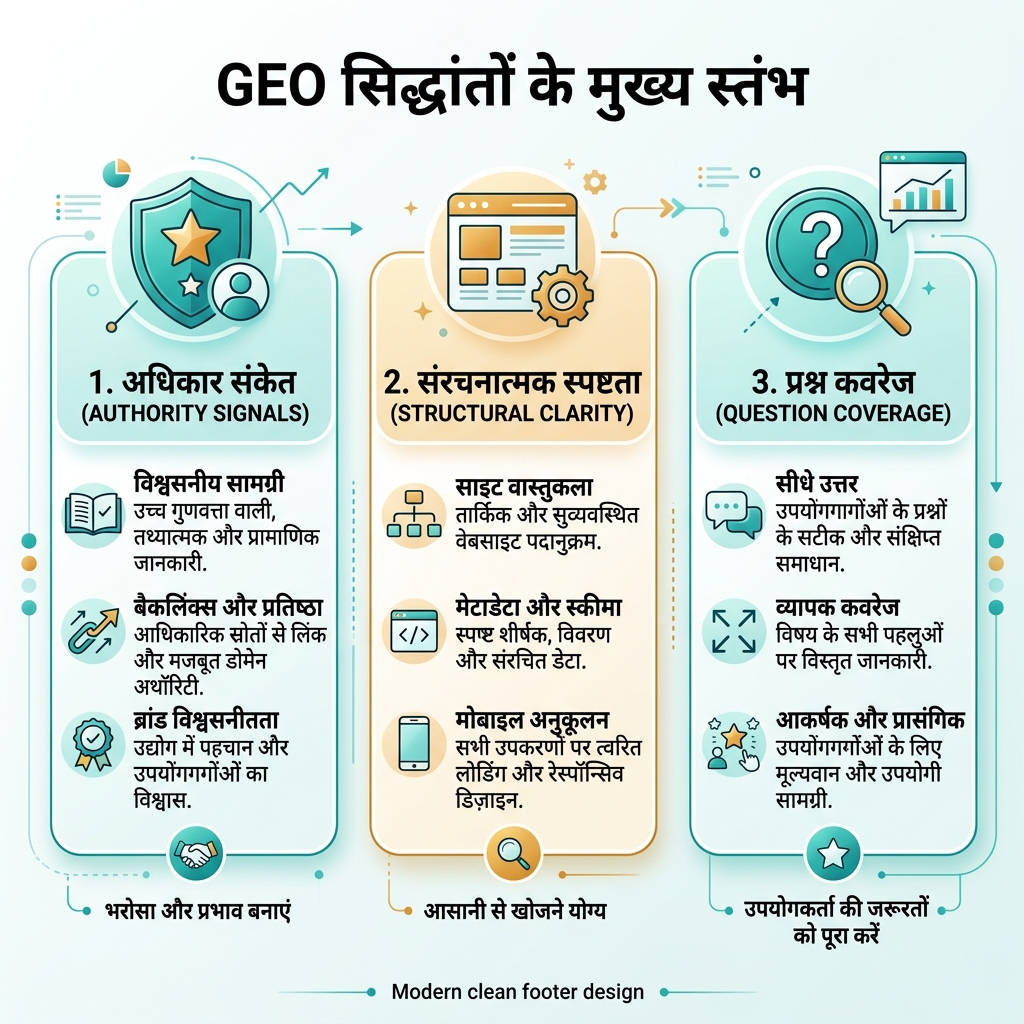
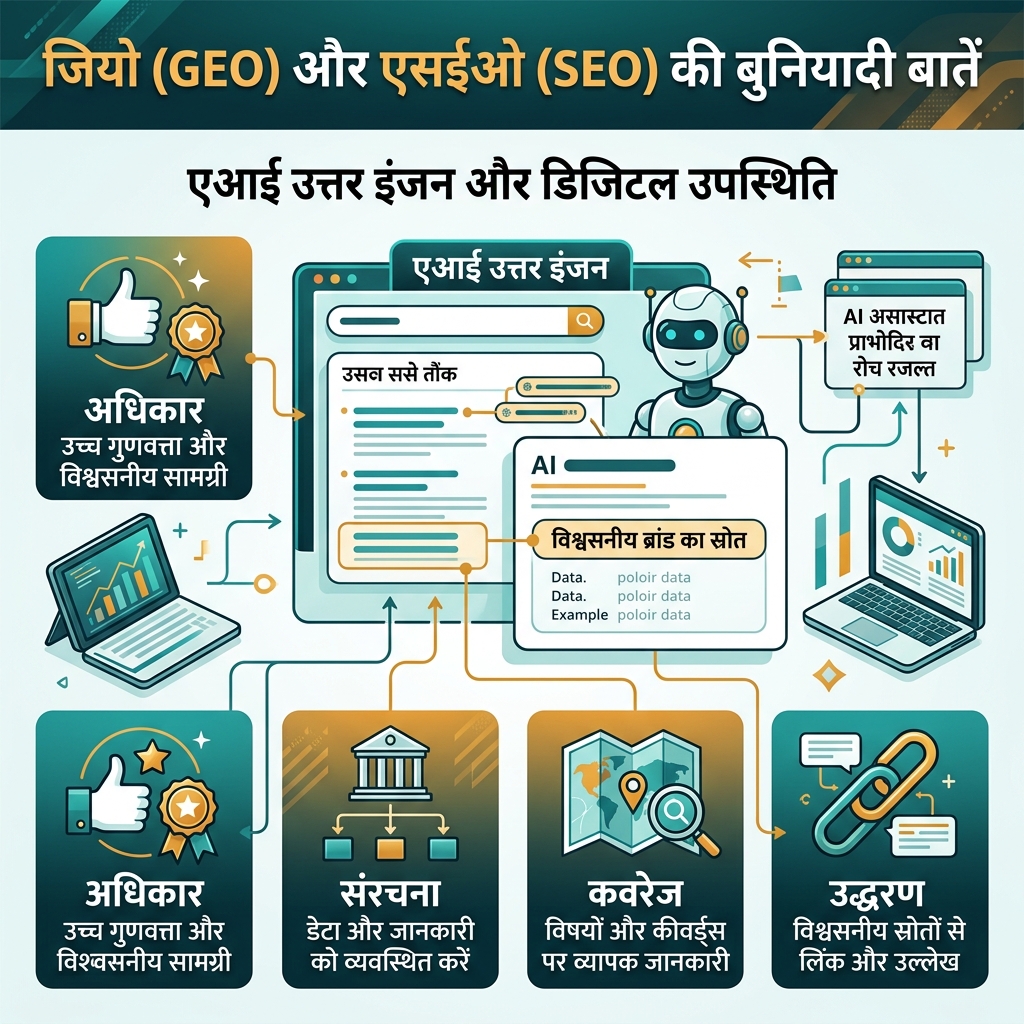
2026 source-readiness stack: access, index, entity clarity, evidence और answer extraction.
Layer 1: site को crawlable और stable बनाइए
Prompts, citations या answer visibility की चिंता करने से पहले जाँचिए कि machines site को reliably fetch कर सकती हैं या नहीं।
Basics से शुरू करें:
- हर जगह HTTPS इस्तेमाल करें। Google ने वर्षों पहले HTTPS को ranking signal घोषित किया था, और 2026 में यह trust की basic requirement है।
- एक canonical host चुनें:
https://example.comयाhttps://www.example.com, दोनों नहीं। - हर alternate version को real 301 status से redirect करें, सिर्फ homepage को नहीं।
- Missing pages के लिए true 404 या 410 status codes return करें। 200 response के साथ fake error page serve न करें।
- Important HTML को इतना light रखें कि crawlers और retrievers main content तक जल्दी पहुँच सकें।
- जहाँ संभव हो primary content को HTML source में early रखें।
बहुत सारे GEO problems यहीं से शुरू होते हैं। Content अच्छा हो सकता है, लेकिन server timeout कर सकता है। Page browser में सही दिख सकता है, लेकिन canonical tag parameter URL की ओर point कर सकता है। Help center में useful answers हो सकते हैं, लेकिन robots.txt पूरी directory block कर सकता है।
Strategic conclusions निकालने से पहले crawler, log files, Search Console, Bing Webmaster Tools और simple command-line check का उपयोग करें।
Layer 2: Robots, sitemaps, canonicals और URL submission सही तरीके से इस्तेमाल करें
Website को crawlers को बताना चाहिए कि क्या important है।
यह robots.txt से शुरू होता है। इसे low-value या sensitive areas जैसे admin routes, internal search results, session URLs और parameter traps block करने चाहिए। इसे CSS, JavaScript, product pages, documentation, blog articles, pricing pages या comparison pages block नहीं करने चाहिए जिन्हें आप machines से समझवाना चाहते हैं।
फिर sitemap setup देखें।
Most sites के लिए XML sitemaps में केवल indexable canonical URLs होने चाहिए। Large sites sitemap को type के हिसाब से बाँट सकती हैं: product pages, articles, documentation, templates और tools. उद्देश्य सब कुछ list करना नहीं है। उद्देश्य priority pages को easy to discover बनाना है।
Canonical tags भी उतने ही important हैं। अगर same content tracking parameters, filters, print versions या localized variants में दिखता है, तो search systems और AI systems को एक official URL चाहिए। इसके बिना authority duplicates में split हो जाती है।
Faster discovery के लिए URL submission workflows इस्तेमाल करें। IndexNow participating search engines के लिए useful है क्योंकि यह sites को URLs create, update या delete होने पर notify करने देता है। Google के लिए Search Console और clean sitemap updates इस्तेमाल करें। हर छोटी template change के लिए submission APIs spam न करें। इन्हें meaningful content changes के लिए इस्तेमाल करें।
2026 का simple rule: अगर कोई page AI answer को influence करने के लिए important है, तो वह sitemap में होना चाहिए, internally linked होना चाहिए, clean 200 return करना चाहिए और अपना canonical URL declare करना चाहिए।
Layer 3: ऐसे pages लिखिए जिन्हें machines सच में समझ सकें
AI answer engines clever copy नहीं चाहते। वे extractable facts चाहते हैं।
इसका अर्थ यह नहीं कि writing robotic होनी चाहिए। इसका अर्थ है कि हर important page का clear job होना चाहिए।
उत्पाद पृष्ठ के लिए जवाब दें:
- Product क्या है?
- किसके लिए है?
- कौन सी problem solve करता है?
- Main features क्या हैं?
- किन चीज़ों से integrate होता है?
- Alternatives से कैसे अलग है?
- Claims को कौन सा proof support करता है?
Article या guide के लिए जवाब दें:
- Direct answer क्या है?
- अगर freshness matter करती है, तो 2026 में क्या बदला?
- Team को कौन से steps लेने चाहिए?
- Limits या risks क्या हैं?
- कौन से examples advice को concrete बनाते हैं?
इसीलिए FAQ blocks, comparison tables, checklists, glossaries और annotated examples AI-friendly content में लगातार दिखते हैं। वे retrieval systems को reuse करने योग्य clean chunks देते हैं।
लेकिन teams अक्सर यह हिस्सा miss करती हैं: page अभी भी humans के लिए अच्छा पढ़ा जाना चाहिए। यदि हर paragraph glossary entry जैसा लगेगा, users चले जाएँगे। Direct language इस्तेमाल करें, लेकिन point of view बनाए रखें।
उदाहरण के लिए, यह लिखने के बजाय:
Our platform provides comprehensive solutions for modern digital transformation.
यह लिखें:
Auspia growth teams को SEO और AI search visibility gaps खोजने में मदद करता है, फिर उन gaps को pages, briefs और technical fixes में बदलता है।
दूसरा version humans और machines दोनों को अधिक उपयोगी material देता है।
Layer 4: structured data जोड़ें, लेकिन उसके पीछे न छिपें
Schema markup machines को page interpret करने में मदद करता है। यह articles, organizations, products, breadcrumbs, FAQs, authors, dates, reviews, videos, software applications और बहुत कुछ describe कर सकता है।
इसे वहाँ इस्तेमाल करें जहाँ यह visible content से match करता हो। Fake FAQ schema, fake reviews या ऐसा markup न जोड़ें जो page पर दिखने वाली बातों से बाहर claims करे।
Most B2B और SaaS sites के लिए useful starting set है:
पृष्ठ प्रकार | उपयोगी schema | यह क्यों मदद करता है |
|---|---|---|
मुखपृष्ठ | Organization, WebSite | ब्रांड नाम, URL, लोगो और same-as प्रोफ़ाइल की पुष्टि करता है |
ब्लॉग पोस्ट | Article, BreadcrumbList | लेखक, तारीखें, विषय पथ और canonical सामग्री स्पष्ट करता है |
उत्पाद पृष्ठ | Product या SoftwareApplication | विशेषताएँ, श्रेणी, मूल्य संकेत, operating system या application type बताता है |
मदद लेख | FAQPage या HowTo जब appropriate हो | सीधे उत्तरों को निकालना आसान बनाता है |
लेखक पृष्ठ | Person | विशेषज्ञता, परिचय, भूमिका और प्रकाशित कार्य को जोड़ता है |
Structured data content quality का substitute नहीं है। यह box पर label है। Box के अंदर अभी भी उपयोगी चीज़ चाहिए।
Layer 5: llms.txt से AI-facing source file बनाएँ
llms.txt एक emerging convention है, guaranteed ranking lever नहीं। इसे clarity tool की तरह देखें, hack की तरह नहीं।
Idea straightforward है: site root पर, आम तौर पर https://example.com/llms.txt, एक Markdown file रखें जो AI systems के लिए website summarize करे। Practical version में शामिल हो सकता है:
- Plain language में company description
- Main product या service categories
- Important pages के canonical URLs
- Documentation या API references
- Definitions, comparisons और examples के लिए best pages
- Update frequency और contact information
क्या हर AI system इसे पढ़ेगा? नहीं। क्या यह आपकी team को clean source map maintain करने में मदद कर सकता है? हाँ। क्या यह उन tools के लिए ambiguity कम कर सकता है जो इसे पढ़ते हैं? हाँ।
Auspia की recommendation conservative है: llms.txt तभी बनाइए जब core site structure पहले से clean हो। यदि website में broken canonicals और thin product pages हैं, तो neat AI summary file असली problem नहीं ठीक करेगा।
आप Auspia के LLMs.txt Generator / जाँचer का उपयोग source file draft और validate करने के लिए भी कर सकते हैं।
Layer 6: ऐसे trust signals बनाएँ जिन्हें AI verify कर सके
AI visibility सिर्फ page formatting पर निर्भर नहीं करती। Source credible दिखना चाहिए।
इसका मतलब है वे boring चीज़ें publish करना जिन्हें real buyers और evaluators खोजते हैं:
- Specific company description वाला About page
- Expert content के लिए author या reviewer bios
- Context, actions और constraints वाले case studies
- Public marketing pages से मेल खाती product documentation
- जहाँ संभव हो clear pricing या buying path
- Relevant होने पर security, privacy और compliance pages
- Time के साथ बदलने वाले pages पर updated dates
- ऐसे claims के लिए external references जो first-party facts नहीं हैं
Backlinks भी अभी important हैं, लेकिन उन्हें official source support करना चाहिए। Podcast mention, partner listing, integration page, analyst note या customer story तब अधिक useful है जब वह clear canonical page पर वापस link करे।
Volume को trust से confuse न करें। Real industry pages से दस relevant mentions अक्सर सौ low-quality syndicated placements से बेहतर होते हैं।
2026 Website GEO audit checklist
More content या PR में invest करने से पहले यह checklist इस्तेमाल करें।
जाँच | पास होने की शर्त | सामान्य विफलता |
|---|---|---|
HTTPS | सभी सार्वजनिक पृष्ठ HTTPS पर लोड हों | मिले-जुले host versions या समाप्त प्रमाणपत्र |
स्थिति कोड | महत्वपूर्ण पृष्ठ 200 लौटाएँ; गुम पृष्ठ 404/410 लौटाएँ | Soft 404 पृष्ठ 200 लौटाते हैं |
Canonical URL | हर indexable पृष्ठ सही canonical URL घोषित करे | Canonical staging, HTTP या parameter URL की ओर संकेत करता है |
Robots.txt | महत्वपूर्ण पृष्ठ अनुमति पाएँ; कम-मूल्य पथ blocked हों | गलती से blog, docs या assets block हो जाते हैं |
Sitemap | केवल canonical indexable URL सूचीबद्ध हों | blocked, redirected या noindex URL शामिल होते हैं |
आंतरिक लिंक | प्राथमिकता वाले पृष्ठ hub और संबंधित सामग्री से जुड़े हों | मुख्य पृष्ठ मौजूद होते हैं लेकिन अलग-थलग रह जाते हैं |
Structured data | Schema visible content से match करे | Markup missing, invalid या exaggerated है |
Entity clarity | ब्रांड, उत्पाद, लेखक और श्रेणियाँ लगातार समान नामों से लिखी जाएँ | अलग-अलग पृष्ठ कंपनी को अलग तरह से बताते हैं |
प्रमाण | दावों में उदाहरण, डेटा, स्क्रीनशॉट या स्रोत लिंक हों | पृष्ठ बिना प्रमाण के व्यापक दावे करते हैं |
Freshness | समय-संवेदनशील पृष्ठ publish और update dates दिखाएँ | पुरानी सलाह current लगती है लेकिन maintained नहीं |
Answer extraction | FAQ, सारांश, तालिकाएँ और checklist वास्तविक प्रश्नों का उत्तर दें | लंबा copy सीधे उत्तर को छिपा देता है |
AI source file | उपयोगी होने पर | file मौजूद है लेकिन पुराने या कम-मूल्य URL सूचीबद्ध करती है |
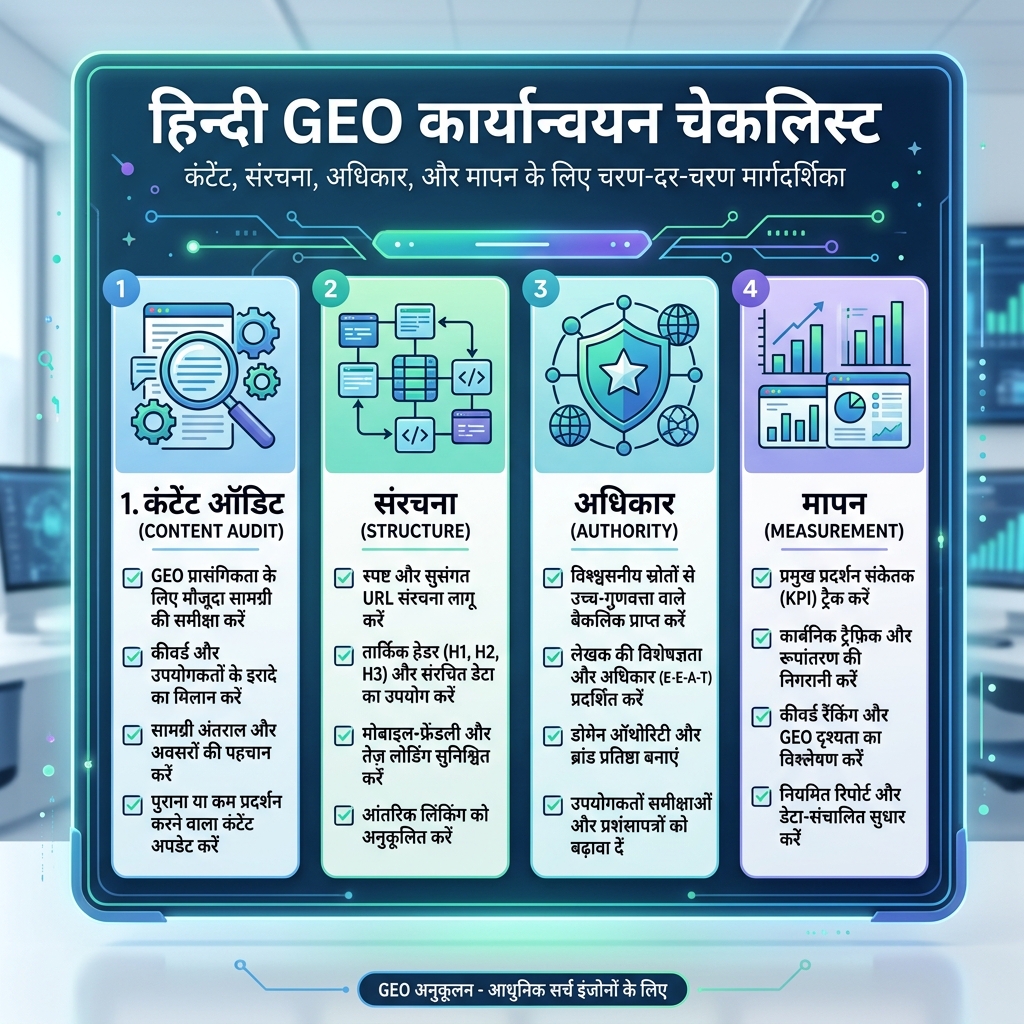
SEO और GEO समान base checks साझा करते हैं। GEO clearer entities, fresher evidence और answer-ready structure का अतिरिक्त दबाव जोड़ता है।
अधिकांश teams कहाँ गलती करती हैं
सबसे बड़ी गलती गलत सवाल से शुरू करना है।
Teams पूछती हैं, “हम AI से mention कैसे करवाएँ?” बेहतर सवाल है, “अगर कोई AI system आज हमें verify करने की कोशिश करे, तो उसे क्या मिलेगा?”
यह shift काम बदल देता है।
आप random mentions का पीछा करना बंद करते हैं और source graph ठीक करना शुरू करते हैं। Duplicate URLs साफ करते हैं। Vague product pages rewrite करते हैं। Dates और authors जोड़ते हैं। Useful comparisons publish करते हैं। Documentation को cite करना आसान बनाते हैं। जाँचते हैं कि official site, third-party listings और social profiles company को एक ही तरह describe करते हैं या नहीं।
यह glamorous नहीं है। यह काम करता है क्योंकि doubt हटाता है।
Auspia का मत: citation के पीछे भागने से पहले source बनाइए
2026 में GEO को SEO के साथ बैठना चाहिए, उसकी जगह नहीं लेनी चाहिए।
एक मजबूत official website तीन advantages देती है:
- Search engines सही pages crawl, index और rank कर सकते हैं।
- AI systems साफ source material retrieve और quote कर सकते हैं।
- Click करने वाले users उन pages पर पहुँचते हैं जो सच में convert कर सकते हैं।
अंतिम बिंदु महत्वपूर्ण है। Conversion path के बिना citation सिर्फ visibility है। Useful visibility लोगों को ऐसी page पर भेजती है जो अगला सवाल answer करती है।
यदि practical starting point चाहिए, तो technical crawl चलाएँ, sitemap और robots rules inspect करें, फिर priority pages को AI search visibility workflow से test करें। Auspia का AI Search Visibility जाँचer यह देखने में मदद कर सकता है कि आपकी brand और pages answer-style discovery environments में कहाँ appear होती हैं।
FAQ
क्या 2026 में GEO SEO को replace कर रहा है?
नहीं। GEO, SEO को AI answer environments तक extend करता है। Technical, content और trust foundations अभी भी काफी overlap करते हैं। जो teams SEO basics skip करती हैं, वे आमतौर पर GEO में भी struggle करती हैं।
क्या company को AI citations के लिए third-party media पर निर्भर रहना चाहिए?
Third-party mentions को reinforcement की तरह इस्तेमाल करें, पूरी strategy की तरह नहीं। आपकी official website में company, product और expertise का सबसे accurate, complete और current version होना चाहिए।
क्या llms.txt AI citations guarantee करता है?
नहीं। यह उभरती हुई परंपरा है, दृश्यता की गारंटी देने वाला उपाय नहीं। फिर भी यह एआई उपकरणों और आपकी सामग्री शासन व्यवस्था के लिए स्पष्ट स्रोत मानचित्र की तरह उपयोगी हो सकता है।
पहले किन pages को optimize करना चाहिए?
मुखपृष्ठ, product या service pages, pricing या contact path, documentation, comparison pages, high-intent blog posts और वे pages जो आपकी category या methodology define करते हैं, उनसे शुरू करें।
GEO source pages कितनी बार update होने चाहिए?
जब facts बदलें, products बदलें, search behavior बदले या page किसी year-specific claim से जुड़ा हो, तो update करें। 2026 guides के लिए कम से कम quarterly review करें और page materially revised होने पर last updated date दिखाएँ।