कार्यकारी सारांश
2026 में SEO अब भी नई वेबसाइट के लिए सबसे साफ acquisition channels में से एक है, लेकिन पुराने shortcut वाले SEO का दौर लगभग खत्म हो चुका है। बेतरतीब posts प्रकाशित करना, एक ही keyword दोहराना और rankings का इंतजार करना कोई योजना नहीं है।
शुरुआती लोगों के लिए बेहतर कार्यप्रवाह सरल है:
- सुनिश्चित करें कि Google आपकी पृष्ठs को crawl, render और index कर सके।
- वास्तविक search intent के आसपास पृष्ठs का छोटा set बनाएं।
- हर पृष्ठ को एक primary keyword और कुछ निकट semantic variants से map करें।
- ऐसा सामग्री बनाएं जो humans के लिए पर्याप्त उपयोगी हो और search तथा AI उत्तर systems के लिए पर्याप्त स्पष्ट हो।
- हर महीने Search Console data देखें और impressions, clicks, rankings तथा conversions के आधार पर पृष्ठs सुधारें।
शुरुआत में पूरा खेल यही है। यह glamorous नहीं है, लेकिन काम करता है क्योंकि यह आज Google Search के काम करने के तरीके से मेल खाता है। Google Search को तीन stages में समझाता है: crawling, indexing और serving results। वह यह भी कहता है कि पृष्ठ technically accessible होने पर भी indexing guaranteed नहीं है। नई site के लिए इसका मतलब है कि SEO सिर्फ लिखने का काम नहीं है। यह discoverability, पृष्ठ quality, internal linking, intent fit और proof का काम है।
यह guide founders, marketers और small teams के लिए लिखी गई है जो 2026 में independent website, SaaS product, ecommerce store, AI tool या service business बना रहे हैं। यह beginner-friendly है, लेकिन उन vague सलाहों से बचती है जो SEO को असल से आसान दिखाती हैं।
1. समझें कि Google आपकी website को कैसे देखता है
Keywords चुनने या blog posts लिखने से पहले समझें कि पृष्ठ के rank करने से पहले क्या होना जरूरी है।
Google की Search documentation process को तीन stages में समझाती है:
Stage | क्या होता है | क्या गलत हो सकता है |
|---|---|---|
Crawling | Googlebot URL discover करता है और पृष्ठ का text, images, videos तथा other resources download करता है। | Page robots.txt से blocked है, internal links के बिना buried है, errors return करता है, या ऐसे scripts पर depend करता है जिन्हें Google access नहीं कर सकता। |
Indexing | Google पृष्ठ, title, visible text, media, canonical signals और metadata analyze करता है, फिर तय करता है कि उसे index में store करना है या नहीं। | Content thin, duplicate, low quality, incorrectly canonicalized या noindex से blocked है। |
Serving results | Google index से वे पृष्ठs चुनता है जो user प्रश्न के लिए relevant और useful लगते हैं। | Page प्रश्न intent से match नहीं करता, trust signals कम हैं, सामग्री weak है, या stronger competitors से हार जाता है। |
Beginners के लिए दो बातें अहम हैं।
पहली, indexing से पहले ranking नहीं हो सकती। अगर आपका पृष्ठ indexed नहीं है, तो title rewrite, keyword density और meta description मायने नहीं रखेंगे।
दूसरी, indexing ranking की guarantee नहीं है। Search Console दिखा सकता है कि पृष्ठ indexed है, लेकिन पृष्ठ फिर भी traffic नहीं पा सकता क्योंकि वह आपकी important searches के लिए पर्याप्त relevant, useful या trusted नहीं है।
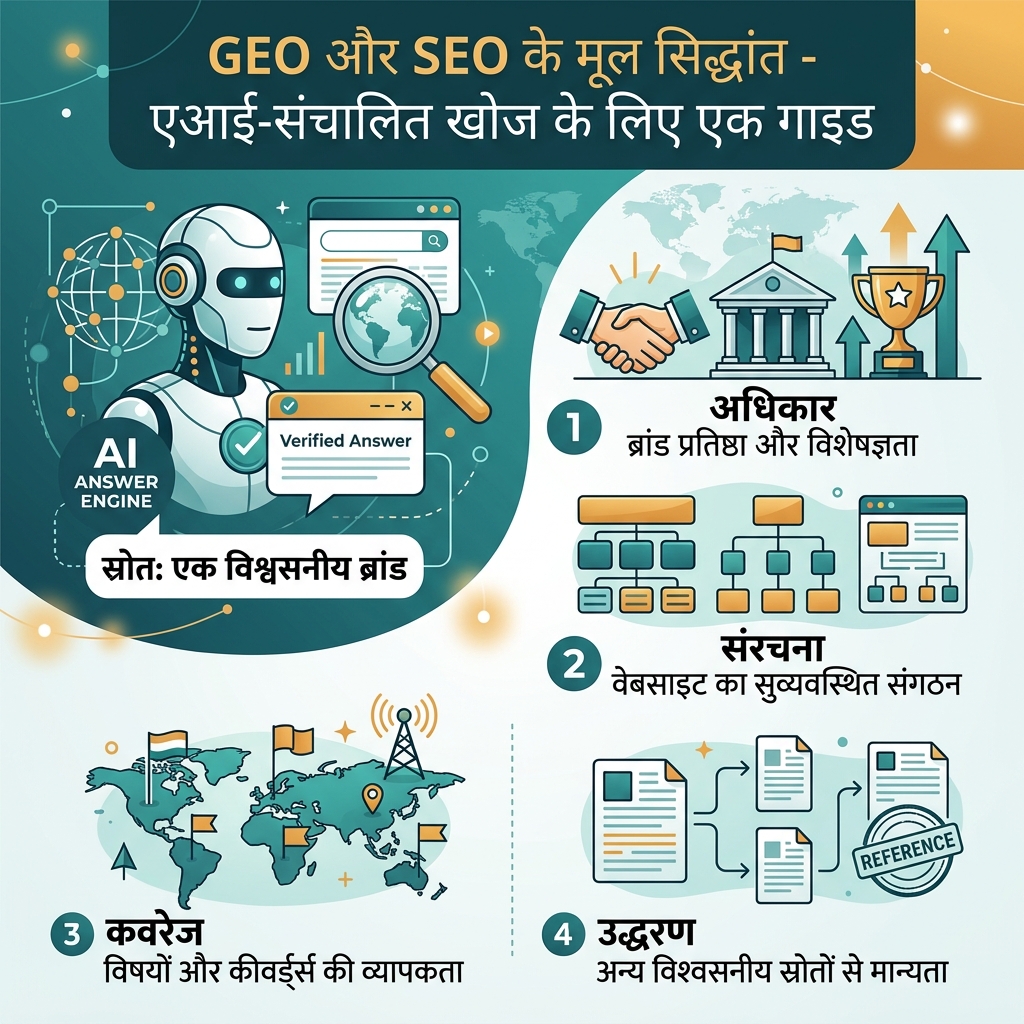
2026 में AI search के लिए भी यही foundation मायने रखती है। Google की AI features documentation कहती है कि site owners को AI features में appear होने के लिए special AI text files या special schema.org markup की जरूरत नहीं है। Practical requirements familiar हैं: crawling allow करें, internal links से सामग्री findable बनाएं, अच्छा पृष्ठ experience दें, important सामग्री को text में रखें, useful images या videos से support करें, और structured data को visible पृष्ठ से match करें।
यह अच्छी खबर है। आपको अलग “AI SEO” website नहीं चाहिए। आपको technically accessible, well-structured और clearly explained website चाहिए।
crawl-index-rank कार्यप्रवाह: sitemap discovery सिर्फ पहला step है; blocked crawling, wrong canonicals, thin सामग्री और intent mismatch बाद में performance रोक सकते हैं।
2. पहले अपनी site indexed कराएं
अगर आप zero से शुरू कर रहे हैं, तो indexing को पहला milestone मानें। 50 पृष्ठs होने तक wait न करें। जब site में homeपृष्ठ, कुछ important landing पृष्ठs और कम से कम एक useful article या guide हो, तभी basics setup करें।
Sitemap submit करें
Sitemap एक file है जो आपकी site के important पृष्ठs और files list करती है। Google कहता है कि sitemaps search engines को site efficiently crawl करने में मदद करते हैं और last update dates, images, videos तथा alternate language versions जैसी जानकारी शामिल कर सकते हैं।
अधिकांश modern CMS platforms में sitemap पहले से होता है। Common examples:
https://example.com/sitemap.xmlhttps://example.com/sitemap_index.xmlhttps://example.com/sitemaps.xml
Google Search Console में Sitemaps section के तहत sitemap submit करें। Successful submission का मतलब यह नहीं कि हर URL indexed होगा, लेकिन यह Google को cleaner discovery path देता है।
Important URLs inspect करें
मुख्य पृष्ठ, प्रमुख उत्पाद पृष्ठ, श्रेणी पृष्ठ और सबसे मूल्यवान लेखों के लिए Search Console में URL Inspection tool का उपयोग करें। देखें कि Google पृष्ठ को index करने योग्य मानता है या नहीं।
अगर पृष्ठ indexed नहीं है, तो पहले इन problems को देखें:
- staging से बचे हुए
noindextags। - important paths block करने वाले robots.txt rules।
- wrong URL की ओर point करते canonical tags।
- JavaScript-rendered सामग्री जो Google को मिले HTML में missing है।
- बहुत similar पृष्ठs जो एक-दूसरे से compete कर रहे हैं।
- कम original value वाले पृष्ठs।
Over-submit न करें
Indexing request Google को new या updated URL discover करने में मदद कर सकती है, लेकिन यह ranking button नहीं है। Same URL रोज submit करने से weak सामग्री rank नहीं करेगा। Tool को key पृष्ठs के लिए use करें, फिर site को improve करें।
3. Keywords को intent से चुनें, vanity volume से नहीं
Beginners अक्सर वही गलती करते हैं: market के सबसे बड़े keyword का पीछा करते हैं।
एक नया AI note-taking app “AI tool” के लिए rank करना चाह सकता है। छोटा ecommerce brand “running shoes” चाह सकता है। B2B SaaS company “CRM” चाह सकती है। ये keywords attractive लगते हैं क्योंकि volume high है, लेकिन ये usually too broad, too competitive और too vague होते हैं।
बेहतर keyword system में तीन layers होती हैं।
Keyword layer | Purpose | Page type | AI research assistant example |
|---|---|---|---|
Core keyword | वह category define करता है जिसके लिए आप known होना चाहते हैं। | Homeपृष्ठ या main product पृष्ठ। | AI research assistant |
Primary keyword | सुविधा, audience या उपयोग-स्थिति को पकड़ता है। | सुविधा पृष्ठ, तुलना पृष्ठ या समाधान पृष्ठ। | AI paper summarizer |
Long-tail keyword | Specific task या question capture करता है। | Blog post, tutorial, template या help पृष्ठ। | AI से research paper कैसे summarize करें |
Small site को usually एक या दो core keywords, पांच से दस primary keywords और growing long-tail keywords list से शुरू करना चाहिए। Long-tail पृष्ठs internal links और topical coverage से primary पृष्ठs को support करते हैं।
Simple keyword collection process
तीन sources से शुरू करें:
- Product language: features, use cases, customer jobs, pain points, integrations और alternatives।
- Search behavior: Google autocomplete, People Also Ask, Search Console प्रश्नों, keyword tools, Reddit threads, forums, YouTube titles और competitor headings।
- Sales language: demo calls, support tickets, review sites, customer emails और purchase से पहले objections।
सब कुछ एक sheet में डालें। बहुत जल्दी judge न करें। इस stage पर आप market की vocabulary collect कर रहे हैं।
फिर list को चार filters से clean करें:
Filter | Question | Keyword रखें अगर... |
|---|---|---|
Relevance | क्या यह visitor हमारे product या expertise की परवाह करेगा? | Searcher के पास आपसे सीखने या आपसे खरीदने का real path है। |
Intent | Searcher आगे क्या करना चाहता है? | आप generic सामग्री से बेहतर उस intent को satisfy करने वाला पृष्ठ बना सकते हैं। |
Difficulty | क्या young site compete कर सकती है? | Current results में weaker पृष्ठs, forums, indie sites या outdated guides हैं। |
Business value | क्या यह traffic pipeline, signups, leads या trust बन सकता है? | Keyword empty visits नहीं, real business outcome से map करता है। |
Goal magical low-competition keywords खोजना नहीं है। Goal यह है कि आप छह महीने उन प्रश्नों के लिए लिखने में waste न करें जो convert नहीं करतीं या अभी जीती नहीं जा सकतीं।
4. एक पृष्ठ को एक main search intent से map करें
जब keywords मिल जाएं, तो उन्हें homeपृष्ठ पर न फेंकें। Keyword map बनाएं।
Keyword map एक simple spreadsheet है जो कहती है: यह पृष्ठ इस intent, इस primary keyword, इन close variants, इस funnel stage और इस internal link target को target करता है।
Starter version:
Page | Primary keyword | Intent | Supporting terms | Conversion path |
|---|---|---|---|---|
Homeपृष्ठ | AI research assistant | Product category समझना | AI research tool, students के लिए research assistant | Product signup |
Feature पृष्ठ | AI paper summarizer | Specific capability compare करना | research paper summary, PDF summarizer | Summarizer try करें |
Blog guide | AI से research paper कैसे summarize करें | कार्यप्रवाह सीखना | paper summary prompt, literature review कार्यप्रवाह | Feature पृष्ठ link |
Comparison पृष्ठ | AI research assistant vs ChatGPT | Options compare करना | research के लिए ChatGPT, AI research कार्यप्रवाह | Demo या signup |
यह keyword cannibalization रोकता है। अगर पांच पृष्ठs same keyword target करते हैं, तो Google को guess करना पड़ता है कि best उत्तर कौन सा है। Usually, कोई भी उतना perform नहीं करता जितना एक focused पृष्ठ करता।
नई websites के लिए useful rule: हर important पृष्ठ को एक primary keyword, दो या तीन semantic variants और एक clear next action दें।
5. ऐसा सामग्री लिखें जो प्रश्न को पूरी तरह match करे
2026 में search सामग्री को दो jobs साथ करनी होती हैं।
इसे human reader को जल्दी satisfy करना है, और इस तरह structured होना है कि search engines और AI उत्तर systems उत्तर, evidence, steps और entity relationships समझ सकें।
इसका मतलब robotic FAQ पृष्ठs लिखना नहीं है। इसका मतलब पृष्ठ को parse करना आसान बनाना है।
Informational प्रश्न के लिए यह structure use करें:
- First section में direct उत्तर।
- Concept या कार्यप्रवाह की simple explanation।
- Step-by-step process या decision framework।
- Audience से match करते examples।
- Common mistakes।
- Related resources या next action।
- FAQ सिर्फ तब जब questions real हों।
Commercial investigation प्रश्न के लिए different structure use करें:
- Page किसके लिए है।
- Evaluation criteria।
- Option या feature comparison।
- Tradeoffs और constraints।
- Proof: screenshots, data, user examples, reviews, benchmarks या case notes।
- Use case के हिसाब से clear recommendation।
- Searcher stage से match करता CTA।
Transactional प्रश्न के लिए पृष्ठ landing पृष्ठ होना चाहिए, blog post नहीं। Vague education से ऊपर offer, proof, product details, pricing context, trust signals और conversion path रखें।
Google की helpful सामग्री guidance यहां पढ़ने लायक है। यह पूछती है कि क्या सामग्री first-hand expertise दिखाता है, clear audience रखता है, किसी को goal achieve करने में मदद करता है और satisfying experience देता है। यह search visits attract करने के लिए बनाए गए, लेकिन ज्यादा value न जोड़ने वाले सामग्री से भी सावधान करती है।
Beginners को यह line याद रखनी चाहिए: SEO सामग्री discoverable होना चाहिए, लेकिन उसे reader के time के लायक भी होना होगा।
Simple keyword map हर पृष्ठ को एक search intent, एक keyword layer और एक business next action से tied रखता है।
6. Isolated posts नहीं, छोटा सामग्री network बनाएं
एक blog post अपने आप weak होता है। Connected सामग्री network stronger होता है।
अपनी website को related उत्तरs के set की तरह सोचें। Homeपृष्ठ बताता है कि आप कौन हैं। Feature पृष्ठs बताते हैं कि आप क्या करते हैं। Comparison पृष्ठs buyers को choose करने में मदद करते हैं। Blog posts long-tail questions उत्तर करते हैं। Case studies साबित करते हैं कि method काम करता है। Tools और templates visitors को act करने देते हैं।
नई site के लिए practical first सामग्री network ऐसा दिख सकता है:
Asset | Quantity | Purpose |
|---|---|---|
Homeपृष्ठ | 1 | Category और value proposition define करना। |
Core feature पृष्ठs | 3-5 | Primary product या service intents capture करना। |
Comparison पृष्ठs | 2-4 | Buyers को alternatives evaluate करने में मदद करना। |
Beginner guides | 5-8 | विषय कवरेज बनाना और व्यापक सवालों का जवाब देना। |
Long-tail tutorials | 10-20 | Specific problems capture करना और feature पृष्ठs पर link back करना। |
Templates या tools | 1-3 | Links, saves और repeat visits earn करना। |
Internal links glue हैं। हर long-tail tutorial को सबसे relevant feature, guide या tool से link करना चाहिए। हर core पृष्ठ को supporting guides से link करना चाहिए जो deeper questions उत्तर करते हैं।
Varied anchor text use करें। हर पृष्ठ को exact same keyword से link न करें। Natural internal link graph “AI search visibility check करें,” “technical SEO audit run करें,” “crawl blockers compare करें,” और “sitemap checklist build करें” जैसे phrases use करता है।
Fast diagnostic चाहिए तो site को Website SEO Score Checker जैसे tool से run करें और issues को Search Console के साथ review करें। AI visibility के लिए AI Search Visibility Checker use करें ताकि देखें कि आपकी brand और पृष्ठs उत्तर systems के लिए interpret करना आसान हैं या नहीं।
7. Fake link building के बिना authority earn करें
Backlinks अब भी matter करते हैं क्योंकि links search engines को पृष्ठs discover करने और web उन्हें कैसे refer करता है यह evaluate करने में मदद करते हैं। लेकिन beginner link building अक्सर गलत हो जाती है। Random links खरीदना, low-quality guest posts publish करना या scale पर links swap करना real authority बनाए बिना risk पैदा कर सकता है।
2026 का safer approach है ऐसे assets बनाना जिन्हें cite करने की वजह लोगों के पास हो।
Good linkable assets include:
- आपके product या market से original data;
- free calculators, checkers, generators और templates;
- benchmark reports;
- visual explainers और diagrams;
- integration guides;
- real numbers वाली case studies;
- fair और specific opinionated comparison पृष्ठs।
फिर इन assets को वहां distribute करें जहां audience पहले से time बिताती है: niche newsletters, founder communities, relevant subreddits, partner blogs, podcasts, YouTube descriptions, product directories, review platforms और integration marketplaces।
Point “backlinks पाना” नहीं है। Point है कुछ ऐसा publish करना जो reference करने लायक हो और उसे उन लोगों के सामने रखना जो आपकी category में write, curate या buy करते हैं।
8. हर महीने वही मापें जो matter करता है
जब आप केवल rankings देखना बंद करते हैं, तो SEO आसान हो जाता है।
Beginner site के लिए हर महीने ये metrics review करें:
Metric | कहां check करें | यह क्या बताता है |
|---|---|---|
Indexed पृष्ठs | Search Console | क्या Google आपके महत्वपूर्ण पृष्ठों को संग्रहित कर सकता है। |
Impressions | Search Console | क्या पृष्ठs अधिक प्रश्नों के लिए eligible हो रहे हैं। |
Click-through rate | Search Console | क्या titles और snippets clicks earn कर रहे हैं। |
Average position | Search Console | क्या relevance और authority improve हो रहे हैं। |
Engaged sessions | Analytics | क्या visitors enough time तक रहते हैं। |
Conversions | Analytics, CRM, product data | क्या traffic business के लिए useful है। |
Assisted conversions | Analytics, CRM | क्या SEO journey में मदद करता है, भले final click न हो। |
Data से decide करें कि आगे क्या करना है।
अगर impressions बढ़ें लेकिन clicks low रहें, तो titles, meta descriptions और पृष्ठ की opening promise improve करें।
अगर clicks बढ़ें लेकिन conversions flat रहें, तो पृष्ठ wrong intent attract कर रहा हो सकता है या clear next action missing हो सकता है।
अगर rankings तीन महीने stall रहें, तो पृष्ठ को top results से compare करें। Depth, examples, proof, freshness, internal links, media या authority gaps देखें।
अगर पृष्ठ अनपेक्षित प्रश्नों पर rank करे, तो उन प्रश्नों का बेहतर उत्तर देने के लिए पृष्ठ update करें या intent अलग हो तो अलग पृष्ठ बनाएं।
9. 2026 के लिए 30-day SEO starter plan
नई website के लिए realistic first month plan यह है।
Day range | Complete करने वाला काम | Output |
|---|---|---|
Days 1-3 | Search Console setup करें, sitemap submit करें, core URLs inspect करें। | Technical baseline। |
Days 4-7 | Product language, SERPs, competitors और customer language से 100-200 keyword ideas collect करें। | Raw keyword sheet। |
Days 8-10 | Keywords को relevance, intent, difficulty और business value से clean करें। | Core, primary और long-tail terms की shortlist। |
Days 11-14 | Homeपृष्ठ, feature पृष्ठs और first articles के लिए keyword map build करें। | Page-to-intent map। |
Days 15-21 | Core पृष्ठs rewrite करें ताकि हर पृष्ठ में one main intent, clear headings, strong proof और internal links हों। | Improved commercial पृष्ठs। |
Days 22-27 | Core पृष्ठs को support करने वाले three to five long-tail tutorials publish करें। | First सामग्री cluster। |
Days 28-30 | Indexing review करें, crawl issues fix करें, important updated URLs के लिए indexing request करें और next month plan करें। | First SEO review। |
30 days में 30 thin posts publish करने की कोशिश न करें। Fewer पृष्ठs publish करें जो real searches को clearly उत्तर करें और visitors को useful next step की ओर point करें।
Common mistakes जिनसे beginners को बचना चाहिए
- Keywords सिर्फ इसलिए चुनना क्योंकि search volume high है।
- Indexation और crawl access fix करने से पहले blog posts publish करना।
- Same keyword के लिए कई पृष्ठs लिखकर cannibalization बनाना।
- AI search को अलग trick मानना, पृष्ठ clarity, evidence और accessibility improve करने की जगह।
- Search intent समझे बिना competitor headings copy करना।
- Generic introductions लिखना जो उत्तर delay करते हैं।
- Conversions ignore करना और traffic growth को अपने आप win मान लेना।
- Content materially improve किए बिना dates update करना।
आखिरी point 2026 में important है। Freshness तब useful है जब information सच में updated हो। Page improve किए बिना current दिखने के लिए date बदलना strategy नहीं है।
Auspia takeaway
Best beginner SEO plan सही वजह से boring होता है: यह tricks chase करने से पहले basics fix करता है।
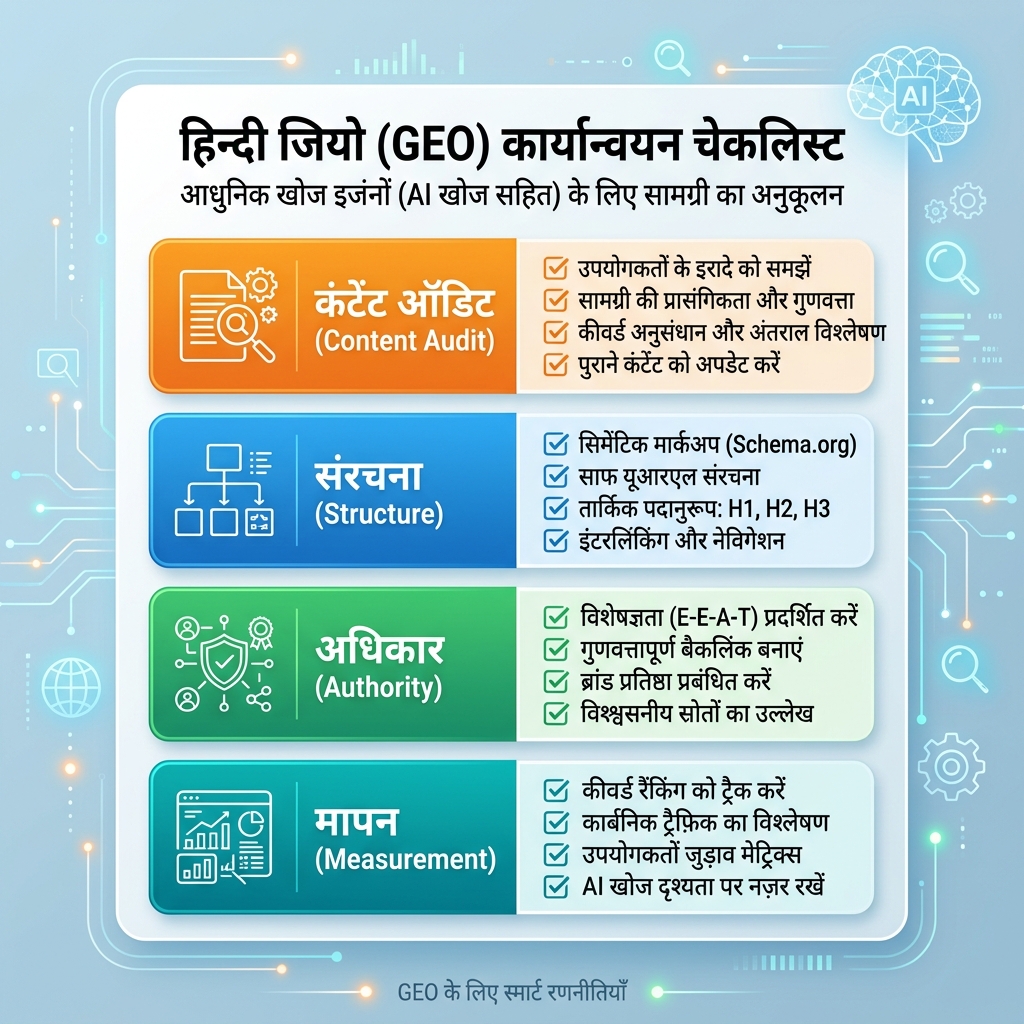
Site को crawlable बनाएं। Sitemap submit करें। Keyword map build करें। हर पृष्ठ को एक intent से match करें। ऐसे पृष्ठs लिखें जो प्रश्न को fully उत्तर करें। उन्हें internal links से connect करें। जहां मदद हो वहां proof, visuals और tools add करें। हर महीने Search Console review करें।
जब foundation काम करने लगे, तब advanced work layer कर सकते हैं: programmatic सामग्री, digital PR, entity optimization, multilingual SEO, GEO, AEO और AI search tracking। लेकिन foundation पहले आता है।
अगर आप zero से शुरू कर रहे हैं, तो एक question से शुरू करें: क्या Google और real buyer 10 seconds में समझ सकते हैं कि यह पृष्ठ किसलिए है?
अगर उत्तर no है, तो next tactic chase करने से पहले इसे fix करें।
FAQ
क्या 2026 में नई website के लिए SEO अभी भी worth it है?
हां, अगर आप realistic keywords चुनते हैं और real search intent से match करते पृष्ठs बनाते हैं। नई site के लिए broad terms जीतना कठिन है, लेकिन long-tail tutorials, comparison पृष्ठs, tools, templates और strong commercial पृष्ठs अभी भी qualified traffic बना सकते हैं।
Google को नई website index करने में कितना समय लगता है?
यह vary करता है। कुछ पृष्ठs जल्दी crawled होते हैं, जबकि others longer ले सकते हैं या indexed बिल्कुल नहीं हो सकते। Sitemap submit करें, Search Console में important URLs inspect करें, पृष्ठs internally linked रखें और केवल indexing requests पर depend करने की जगह सामग्री quality improve करें।
एक पृष्ठ को कितने keywords target करने चाहिए?
हर पृष्ठ के लिए एक primary keyword use करें, फिर naturally small number of close semantic variants include करें। अगर दो keywords की search intent अलग है, तो usually उन्हें separate पृष्ठs चाहिए।
AI search visibility के लिए special files चाहिए?
Google AI features के लिए Google कहता है कि आपको special AI text files या special schema.org markup की जरूरत नहीं है। Crawl access, internal links, textual सामग्री, पृष्ठ experience, high-quality media और visible पृष्ठ से match करता structured data पर focus करें।
पहले क्या publish करना चाहिए: blog posts या product पृष्ठs?
उन पृष्ठs से शुरू करें जो बताते हैं कि आप क्या बेचते हैं और किसकी मदद करते हैं। फिर long-tail articles publish करें जो उन पृष्ठs को support करें। Blog traffic तभी useful है जब visitors naturally product, tool, demo, signup या trust-building asset की ओर जा सकें।
Further reading
- Google Search Central: Google Search कैसे काम करता है
- Google Search Central: sitemaps के बारे में सीखें
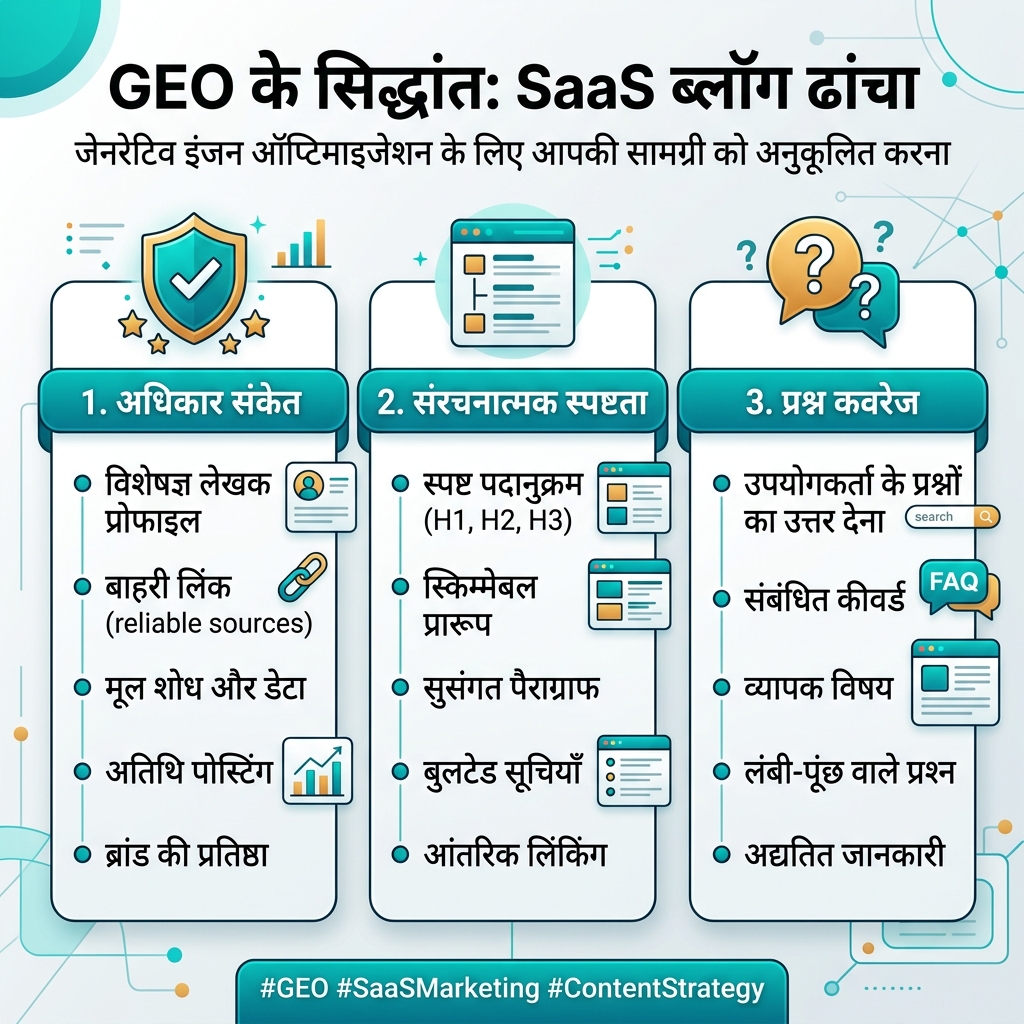
- Google Search Central: AI features और आपकी website
- Google Search Central: helpful, reliable, people-first सामग्री बनाना